Addis Ababa, Ethiopia — July 14, 2026 – Amid Ethiopia’s rapid economic growth, a pressing mix of environmental degradation and humanitarian crises looms large.
The country, which saw its GDP grow by 9. 2% in the fiscal year 2024/25, is also home to over 1. 1 million refugees and asylum seekers, predominantly in Gambela and Somali regions, further straining its environmental and humanitarian resources.
The Ethiopian government has initiated steps to tackle these challenges, including the Landscape Management Program, which seeks to enhance soil fertility and agricultural productivity.
However, the impact of heavy windstorms in April 2025 at the Selekleka IDP site, which led to the loss of shelters for 450 households, underscores the urgency of sustainable development and effective humanitarian assistance. Ethiopia’s economic growth, especially in the agricultural sector, has been notable, with a per capita GDP of $979.
The World Bank has highlighted improvements in infrastructure and living standards, yet the rapid expansion has taken a toll on the environment. Land degradation, deforestation, and waning agricultural productivity pose significant threats to food security and economic stability.
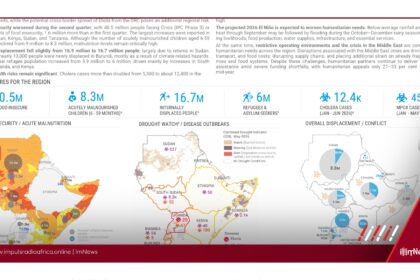
The humanitarian landscape is marked by a substantial number of internally displaced persons (IDPs), with reports indicating approximately 3. 36 million individuals across various regions.
The UNHCR reports that the majority of refugees and asylum seekers are in Gambela and Somali regions, where the humanitarian situation is particularly dire.
The Landscape Management Program, supported by the World Bank, aims to restore degraded landscapes and secure the land rights of those who depend on them. This initiative has resulted in the regeneration of community forests and the adoption of conservation practices that bolster soil health and agricultural productivity, essential for building climate resilience and ensuring sustainable development.
The CCCM Cluster reported that heavy windstorms in April 2025 severely affected the Selekleka IDP site, necessitating a coordinated response strategy that includes service provision coordination and support for affected populations. This highlights the need for effective disaster risk management and humanitarian assistance.
As Ethiopia progresses towards sustainable development, it is crucial that its efforts are sustainable and inclusive, benefiting all citizens and fostering a healthy environment.
The international community is closely monitoring the nation’s ability to balance economic growth with environmental stewardship and effective humanitarian response.
The future of Ethiopia’s development hinges on its capacity to effectively address these interconnected issues.
*Additional reporting by ImNews | Sources consulted: 5*
—
This original article was produced by the ImNews editorial team
Source: reliefweb
Source: CCCM Cluster