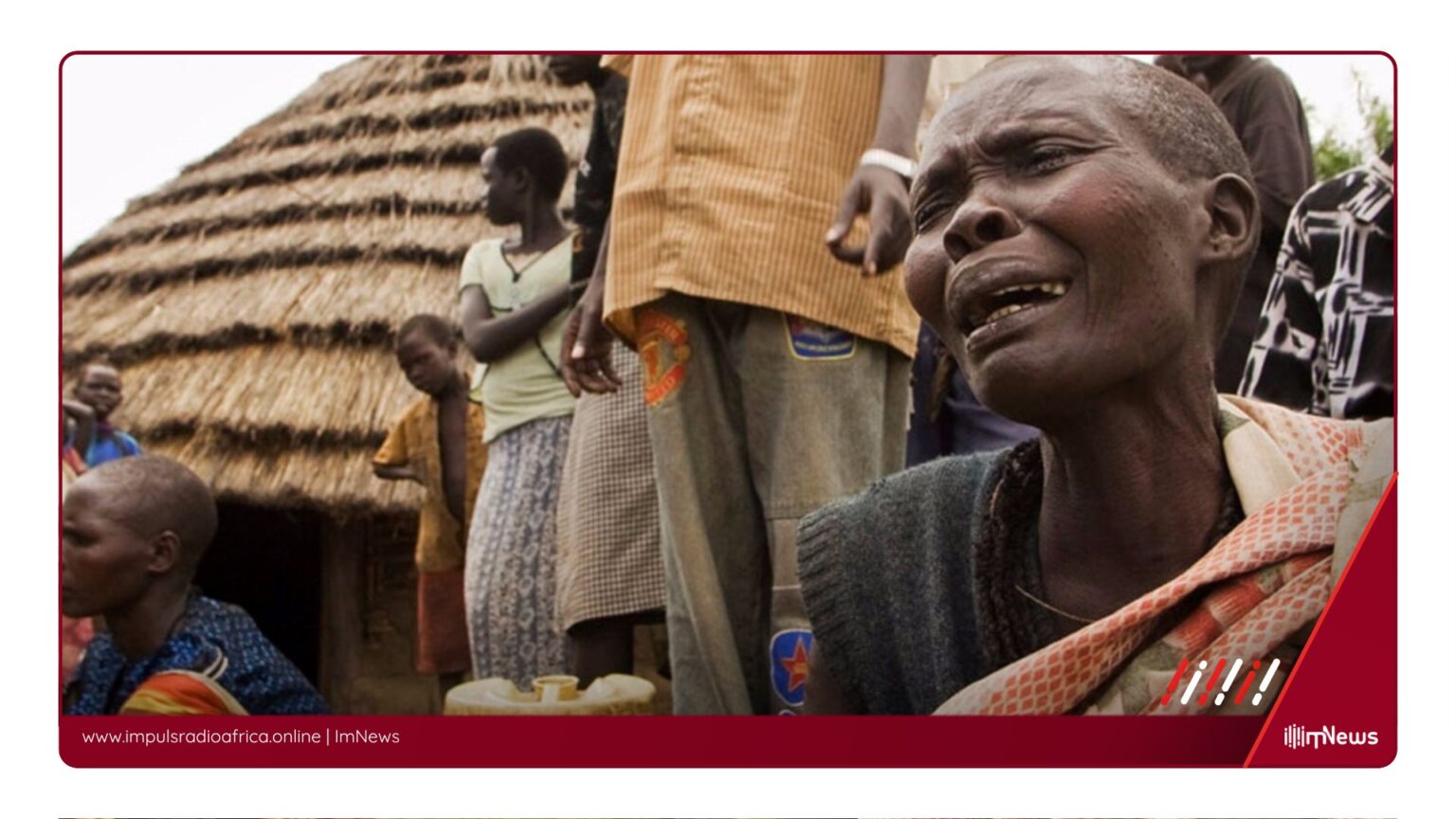
Khartoum, Sudan — The World Food Programme (WFP) has issued a stark warning that Sudan is at risk of slipping further into a state of hunger due to a convergence of factors including ongoing conflict, a widening funding gap, and the soaring costs of agricultural inputs.
The conflict between Sudan’s military and the Rapid Support Forces (RSF) has led to a severe humanitarian crisis, with over 100,000 people in famine-like conditions and nearly 19. 5 million facing acute food insecurity, according to the WFP. Amidst this crisis, the FAO has reported that 33.
7 million people require assistance in Sudan, the highest globally as of 2026.
The conflict’s disruption of the country’s food system has been a significant factor in this dire situation.
The WFP has highlighted that the combination of conflict, a shortfall in funding, and rising agricultural costs, particularly the cost of fertiliser and diesel, which are heavily reliant on imports from Gulf countries, is threatening to undermine Sudan’s already fragile food production and humanitarian operations.
The Sustain Sudan project, a partnership aimed at supporting Sudanese farmers, is working to empower local agriculture, but the situation remains critical.
The FAO’s analysis shows stark contrasts along conflict lines, with confirmed famine conditions in areas such as El Fasher and Kadugli, where families are surviving on minimal resources.
The international community is urged to increase support for Sudan, as the United Nations and other humanitarian organizations strive to provide assistance amidst the escalating crisis.
The situation in Sudan serves as a somber reminder of the devastating impact that conflict can have on food security and the lives of millions of vulnerable people.
*Additional reporting by ImNews | Sources consulted: 5*
—
This original article was produced by the ImNews editorial team
Source: Africa.businessinsider
Source: Ayodeji Adegboyega