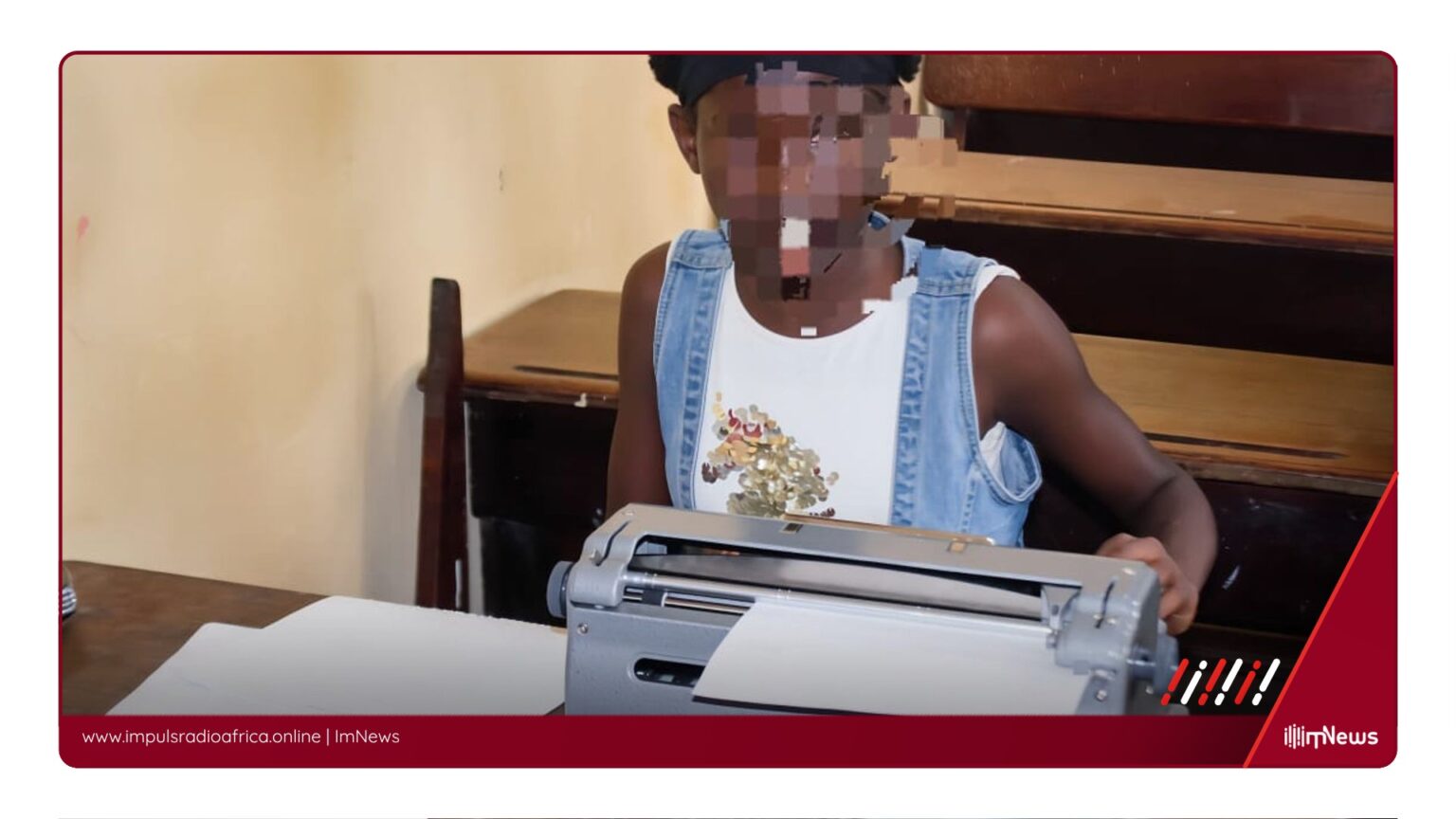
Officials commented on the matter. This includes 150 at the Certificat d’études primaires (CEP) level, 187 at the Brevet d’études du premier cycle (BEPC), and nearly 200 at the Baccalauréat level, reflecting significant progress under the government’s inclusive education policy.
The Minister of State for Education, Camélia Ntoutoume Leclercq, emphasized the importance of these exams, stating that the accommodations provided, particularly for students with disabilities during national exams, ensure accessibility and equitable access to evaluations. She expressed satisfaction with the growing participation of candidates with disabilities, noting that parents who were previously discouraged are now increasingly enrolling their children.
The initiative is part of a broader policy, implemented under the instruction of President Brice Clotaire Oligui Nguema, aimed at providing every child with equal access to education, regardless of their abilities. This approach is seen as a means to leverage education as a tool for social inclusion and development. Key legislation, including the Organization of Social Protection of Disabled Persons Act (1996), the General Orientation of Education, Training, and Research Act (2011), and the Finance and Budget Execution Organic Law (2015), has been enacted to support the education of individuals with disabilities.
These laws reflect the government’s dedication to their inclusion.
The Agence Nationale des Bourses du Gabon (ANBG) has taken steps to ensure better understanding and catering to the needs of students with disabilities by inviting them to declare their condition during the scholarship application process.
As Gabon continues to break new ground in education, the world watches with hope, eager to see the long — term impact of this commitment to inclusivity on the lives of students with disabilities in the nation.
*Additional reporting by ImNews | Sources consulted: 5*
—
This original article was produced by the ImNews editorial team
Source: Agpgabon
Source: Redaction