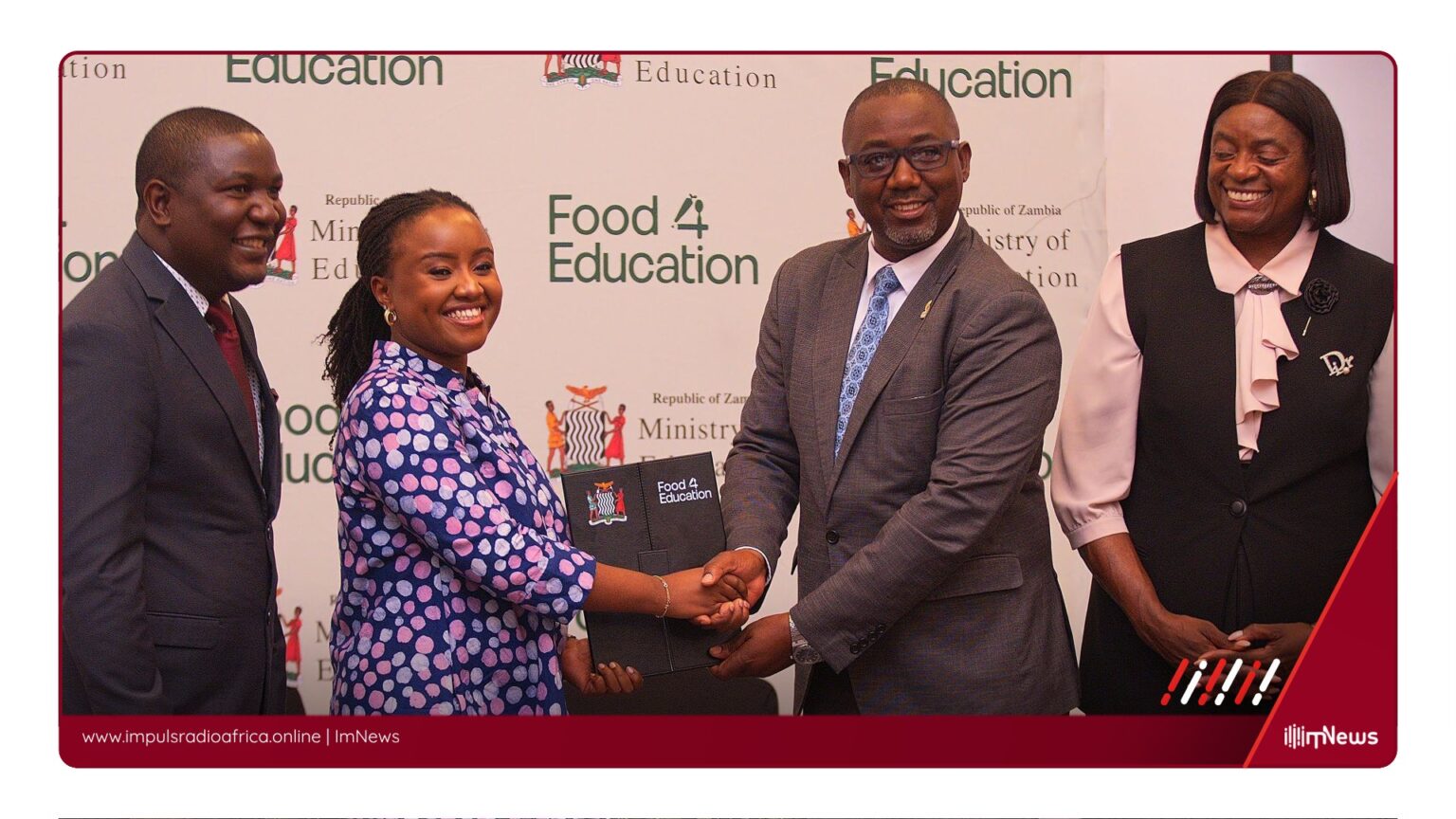
Zambia’s School Feeding Expansion: A Strategic Partnership with Food4Education LUSAKA, Zambia – In a landmark move to bolster its national school feeding programme, the government of Zambia has formalized a four-year partnership with Food4Education, a Kenyan-based not-for-profit organization. This strategic collaboration, marked by the signing of a Memorandum of Understanding (MoU) in June 2026, aims to extend the programme’s reach to an additional 1 million children by the end of 2026.
The current school feeding programme in Zambia serves 4. 6 million children across 8,193 schools.
The MoU establishes a framework for long — term technical cooperation, with Food4Education supporting the Ministry of Education in five key areas: policy and institutional coordination, programme design, data digitalization, budgeting, and resource utilization. This partnership is not just about increasing numbers; it’s about enhancing the quality and sustainability of the programme. It aligns with Zambia’s commitment to build a robust school feeding system that strengthens learning, improves nutrition, supports local agriculture, and creates economic opportunities.
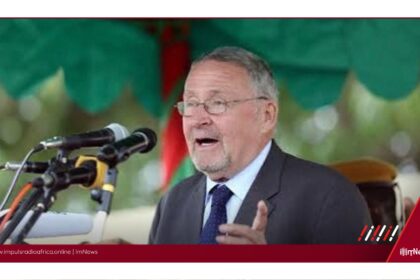
Dr. Kelvin Mambwe, Permanent Secretary of Education Services in Zambia, emphasized the importance of this partnership: “This collaboration with Food4Education is a testament to our dedication to ensuring that every child in Zambia has access to quality education and nutritious meals. “Food4Education, with 14 years of experience in building government-aligned school feeding systems in Kenya, brings significant technical expertise and resources to the table.
CEO Wawira Njiru expressed optimism: “We are excited to support Zambia in scaling up its school feeding programme. This initiative will not only improve the health and well-being of children but also contribute to the economic development of the country. “.
The partnership also aims to support local agriculture by sourcing food locally, thereby stimulating rural economies. This approach aligns with the government’s strategy to promote sustainable agricultural practices and reduce reliance on imported food.
As Zambia prepares to host the Global Child Nutrition Forum in November 2026, this partnership sets a precedent for other African countries looking to enhance their school feeding systems.
The success of this initiative will be closely watched across Africa, where school feeding programmes are increasingly recognized as a critical tool for addressing food security, improving educational outcomes, and fostering economic development.
*Additional reporting by ImNews | Sources consulted: 5*
—
This original article was produced by the ImNews editorial team
Source: Panafricanvisions
Source: Pan African Visions