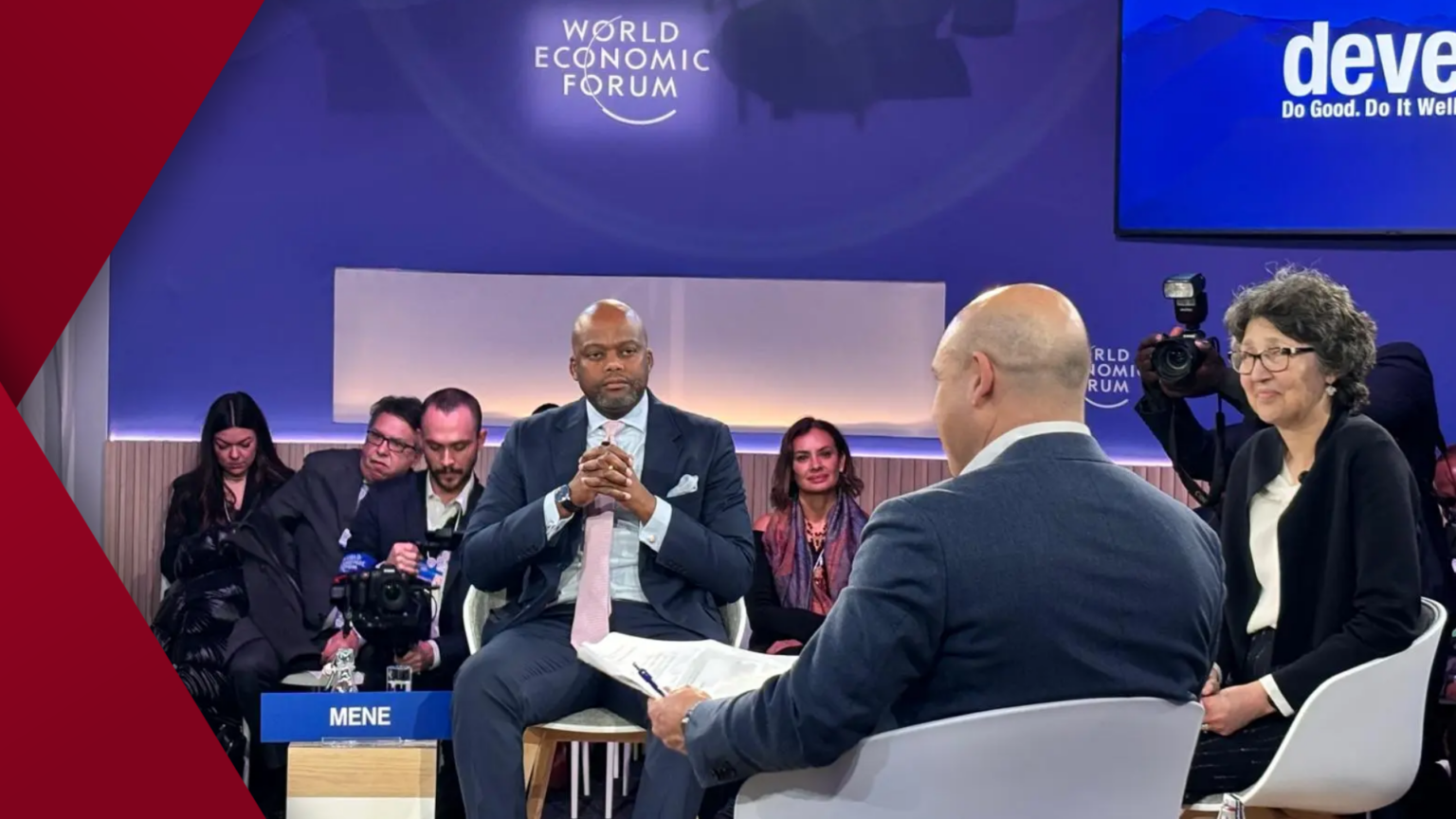
While the substance of African Continental Free Trade Area (AfCFTA) Secretary-General H.E. Wamkele Mene’s recent intervention on global platforms has been widely acknowledged as timely and relevant, the setting has once again reignited debate around a recurring contradiction in Africa’s development discourse: the continent continues to debate its future largely outside its own borders.
The reliance on overseas platforms to articulate African priorities raises fundamental questions about perception, ownership, and confidence. As a continental economic framework designed to accelerate intra-African trade, industrialisation, and economic integration, the AfCFTA is primarily intended for African businesses, policymakers, entrepreneurs, and citizens. Yet, its most visible advocacy moments frequently occur in global forums rather than on African soil.
Observers argue that optics matter. When Africa persistently presents its challenges in foreign venues, it risks reinforcing an image of dependency—projecting the continent as a subject seeking validation or solutions rather than a co-architect of global economic systems. Critics caution that such patterns may unintentionally undermine the AfCFTA’s core message of self-driven integration and African-led development.
Analysts further note that Africa does not suffer from a shortage of ideas, markets, or leadership. What remains underutilised, they argue, is the continent’s convening power. Hosting high-level AfCFTA dialogues within Africa would reposition African economic actors as hosts and decision-makers, rather than participants responding to externally framed agendas.
While global engagement remains essential—particularly in attracting investment, partnerships, and trade alignment—experts emphasize that it should follow internal consensus-building. Establishing Africa-first platforms would allow for rigorous internal debate, policy alignment, and solution testing before engagement with global partners.
As international interest in Africa’s economic transformation continues to grow, the central question persists: when will Africa consistently define, debate, and advance its development agenda from within—on its own terms? Until that shift becomes deliberate and sustained, the risk remains that Africa’s integration ambitions continue to be discussed from afar, rather than driven decisively from home.