Africa’s Narrative: A Call for Cultural Sensitivity Over Translation BODY: Nairobi, Kenya – On Africa Day, May 25, the continent reflects on its journey towards the Africa envisioned in the African Union’s Agenda 2063. It’s a pivotal moment to reconsider how the world perceives Africa: through translation or genuine understanding?
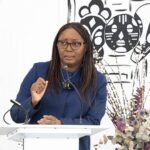
The debate transcends mere linguistic translation, emphasizing the need for cultural intelligence and sensitivity. Rania El Rafie, Vice President at APO Group, stresses that Africa doesn’t just need to be translated; it needs to be heard. Global agencies and brands often arrive with a preconceived narrative, leaving African audiences feeling accommodated rather than represented.
The Jack Ma Foundation’s Africa’s Business Heroes initiative, for example, aimed to reach all 54 African markets with a single program identity, recognizing that the program’s credibility hinges on genuine representation.
The Canon World Unseen campaign showcased the power of an African perspective.
A Kenyan team, deeply rooted in the community, delivered a compelling narrative about East Africa’s coral conservation efforts. Cultural intelligence is more than language skills; it’s about lived experience. APO Group employs individuals who bring this conviction to their work, challenging clients to avoid imposing global narratives on local audiences.
When crisis strikes, the instinct for consistency can backfire. APO Group’s experience illustrates that localizing responses aligns better with community values, preventing reputational damage.
The structural gap in Africa’s PR infrastructure lies in the approach to strategy. It’s not about talent but about adopting a model that starts with listening to African markets before communicating. El Rafie challenges senior communicators to prioritize listening over briefing, to invest in understanding African markets before engaging.
This shift is vital for protecting investments and fostering genuine relationships. Africa Day 2026 serves as a reminder that the quest for liberation extends beyond political and economic freedoms. It includes the freedom to be heard, understood, and to shape one’s own narrative.
The journey towards Africa’s liberation is complex. It requires a balance between reaching a global audience through translation and ensuring that African voices are heard, understood, and celebrated.
*Additional reporting by ImNews | Sources consulted: 5*
—
This original article was produced by the ImNews editorial team
Source: Panafricanvisions
Source: Pan African Visions