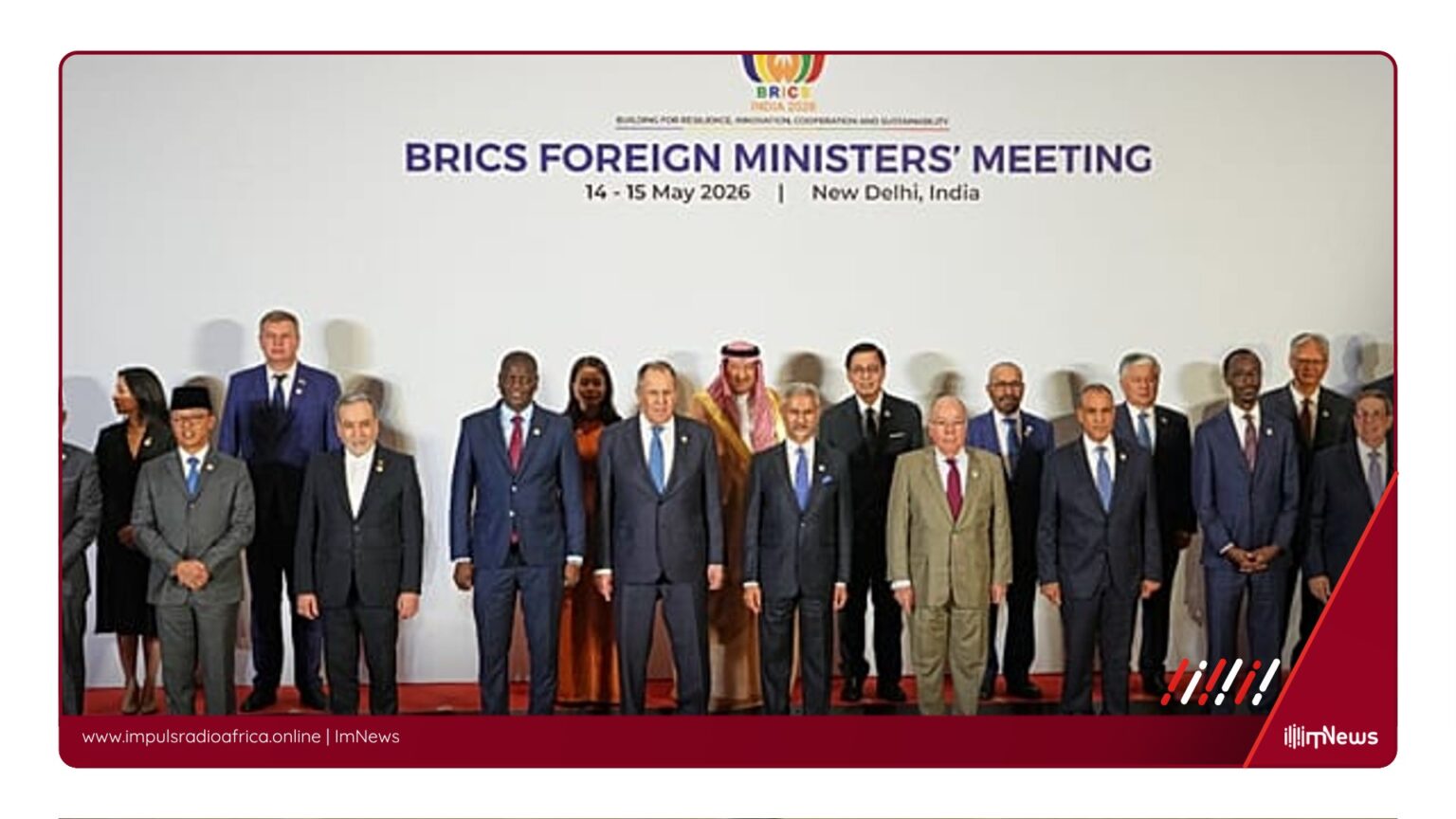
CITY, India — The BRICS nations concluded a pivotal two-day summit in New Delhi on Tuesday, with senior officials addressing the escalating geopolitical tensions, economic challenges, and global security concerns.
The meeting, which included Brazil, Russia, India, China, South Africa, Egypt, Ethiopia, Indonesia, Iran, Saudi Arabia, and the United Arab Emirates, reflected the collective concerns of these nations about the increasingly unstable global environment. India’s National Security Adviser, Ajit Doval, opened the discussions by welcoming the recent ceasefire understanding between the United States and Iran, as well as the reopening of the Strait of Hormuz, which is a crucial maritime route for global energy supplies. Doval highlighted that such developments could help mitigate regional tensions and bolster international trade.
The BRICS grouping, which has significantly expanded its membership, now represents a substantial portion of the world’s population, economy, and political influence.
The summit’s backdrop underscored the collective concerns of these nations about the growing instability in the global environment. During the summit, Doval engaged in bilateral meetings, emphasizing the importance of strengthening intra-BRICS cooperation and fostering mutual trust and dialogue among member states.
The theme of the 2026 BRICS chairmanship, ‘Resilience, Innovation, Cooperation, and Sustainability,’provides a framework for the grouping’s efforts to address the myriad challenges facing the international community.
The BRICS nations are particularly concerned about the impact of geopolitical tensions on global security. Doval’s remarks on the challenges faced by existing international institutions highlighted the group’s interest in exploring alternative mechanisms for addressing contemporary global issues, underscoring its commitment to advancing a more just and equitable international order.
The meeting’s conclusions are expected to include commitments to enhance cooperation on counter-terrorism, cyber risks, and other security challenges. This will likely involve the development of joint strategies and the establishment of new mechanisms for information-sharing and collaboration.
As the New Delhi summit concluded, the BRICS nations found themselves at a critical juncture in global affairs.
The outcomes of the summit are poised to shape the security landscape in the coming years, with potential implications for international trade, political relations, and global stability.
*Additional reporting by ImNews | Sources consulted: 5*
—
This original article was produced by the ImNews editorial team
Source: Africanews
Source: Rédaction Africanews