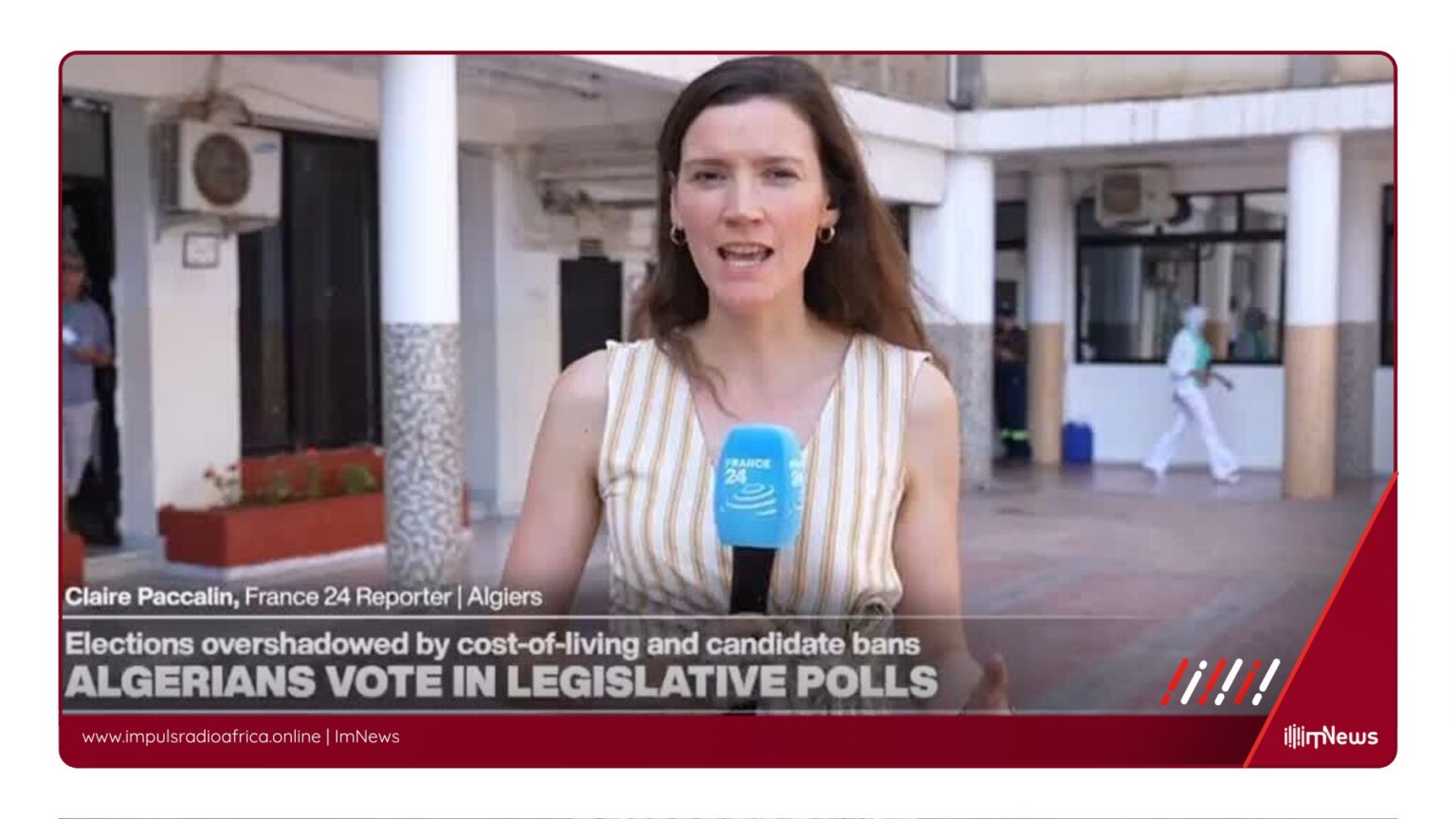
Algeria’s Parliamentary Vote: A Test of Turnout and Political Change Algiers, Algeria – In a nation still addressing the echoes of its pro-democracy movement, Algeria’s citizens cast their votes on July 2, 2026, for a new parliament amidst a backdrop of economic strain and political controversy. With around 24. 7 million eligible voters, the parliamentary elections were set to determine the composition of the 407-seat National People’s Assembly, whose members will serve for five-year terms.
The ruling National Liberation Movement (FLN) was widely expected to maintain its dominance, but the election took place under the shadow of the government’s decision to disqualify roughly a third of potential candidates. This move has sparked criticism and raised questions about the fairness and inclusivity of the electoral process.
The elections were a critical moment for Algeria, coming as they do in the wake of the Hirak protests that began in 2019, demanding democratic reforms and an end to the long-standing authoritarian rule.
President Abdelmadjid Tebboune, who was elected in 2020 and won a second term in 2024, has presented the vote as a step toward renewing the country’s political institutions.
However, many observers remain skeptical about the likelihood of significant change. Officials commented on the matter. “.
It reflects a growing desire for political pluralism among the Algerian population. “Yet, the electoral process has been marred by concerns over transparency and inclusivity.
The Algerian electoral authority, ANIE, reported that roughly a third of potential candidates were disqualified by the government, a move that has been criticized by both domestic and international observers.
Some have suggested that the disqualifications were politically motivated, aimed at silencing opposition voices. Robin Frisch, head of the Friedrich Ebert Foundation’s office in Algiers, suggested that the elections were competing with other topics for Algerians’attention.
The last parliamentary poll in Algeria in 2021 saw a record low turnout of 23 percent, and there are concerns that this trend may continue in 2026.
The cost of living crisis, coupled with political apathy, has led some to question the relevance of the parliamentary elections. “But “As Algeria votes for a new parliament, the outcome will be closely watched not only within the country but also across the African continent.
The elections will be a test not only of the Algerian government’s commitment to democratic reforms but also of the will of its citizens to participate in the political process.
The next few days will reveal whether the 2026 parliamentary elections in Algeria will mark a significant step towards political change or whether they will be seen as another missed opportunity for the nation’s democratic transition.
*Additional reporting by ImNews | Sources consulted: 5*
—
This original article was produced by the ImNews editorial team
Source: france24 – Africa
Source: FRANCE24