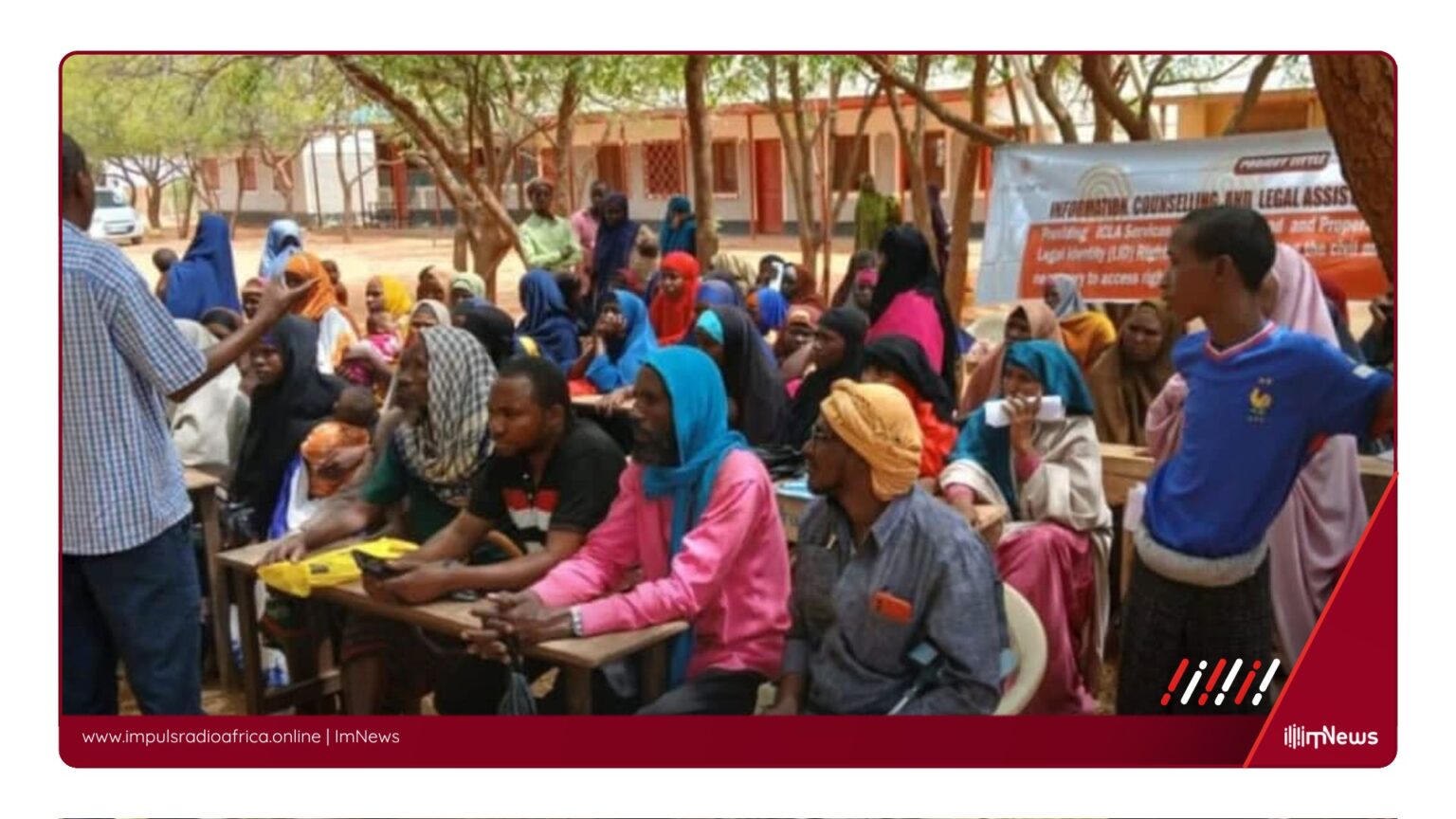
Kenyan Somalis’Identity Paradox: Struggle for Citizenship Amidst Refugee Labels.
In the northern Kenyan town of Dadaab, a complex tapestry of identity and citizenship intertwines with the harsh realities of statelessness. Amina Saida, now 18, remembers the day she discovered her fate was entangled with the refugee camp she called home. At just two years old, her parents, seeking refuge from Somalia’s civil war, moved her to Dadaab, a camp established in 1991 to house those fleeing the conflict.
Amina’s journey reflects the plight of thousands of Kenyan ethnic Somalis who, despite having lived their entire lives in Kenya, are officially recorded as refugees in the country’s databases.
The crisis of double registration for Kenyan Somalis was exacerbated by the 2007 implementation of a biometric system by the United Nations High Commissioner for Refugees (UNHCR). This system was intended to manage the camp’s burgeoning population and combat fraud.
However, it inadvertently ensnared many Kenyan Somalis, including Amina, who found their fingerprints in the refugee database when they applied for national identity cards. “I was told that my fingerprints were appearing in the refugee database when I went to apply for my national identity card in 2022, “Amina recounted. Despite presenting her parents’Kenyan identification cards, she remains without the vital document, her hopes of accessing basic services and opportunities thwarted.
Hamdi Mohamed, a father of seven, moved his family to Dadaab in 2005, seeking respite from Somalia’s drought and conflict. Today, his children, now adults, are caught in a limbo of sorts, neither citizens nor refugees. “We have no relatives in Somalia, where the government of Kenya is alleging we came from, “Mohamed said echoing the fears of many who are considered stateless in their own land.
The Kenyan government’s ambitious plan, the Shirika Plan, introduced in 2025, aimed to integrate refugees into host communities.
However, the problems with double registration predate this initiative, having begun in 2007 when the UNHCR implemented the biometric system.
The situation reached a legal impasse in 2021 when three Kenyans, including Mohamed, sued the government for failing to ensure citizens’access to socio-economic rights.
The petitioners argued that their children’s names were included in the refugee database without verification of their citizenship status.
The Kenya Citizenship and Immigration (Amendment) Bill, currently under consideration, seeks to remove time limits for stateless persons applying for citizenship. While this is a positive step, human rights groups like Haki na Sheria Initiative remain critical of the government’s approach, arguing that the vetting process is overly rigorous and slow. For Kenyan Somalis like Amina and Mohamed, the wait for justice and recognition of their citizenship rights continues, a struggle that underscores the complexities of identity, nationality, and the human rights to education, healthcare, and economic opportunity.
*Additional reporting by ImNews | Sources consulted: 5*
—
This original article was produced by the ImNews editorial team
Source: africa
Source: SG Editor