BEAC Warns Against Digital Payment Taxes in Central Africa. City, Central Africa — The Bank of Central African States (BEAC) has sounded an alarm against the rising trend of taxing mobile money transactions across Central Africa.
The warning comes as governments in the region increasingly rely on these taxes as a source of public revenue, potentially slowing financial inclusion and undermining digital transformation efforts.
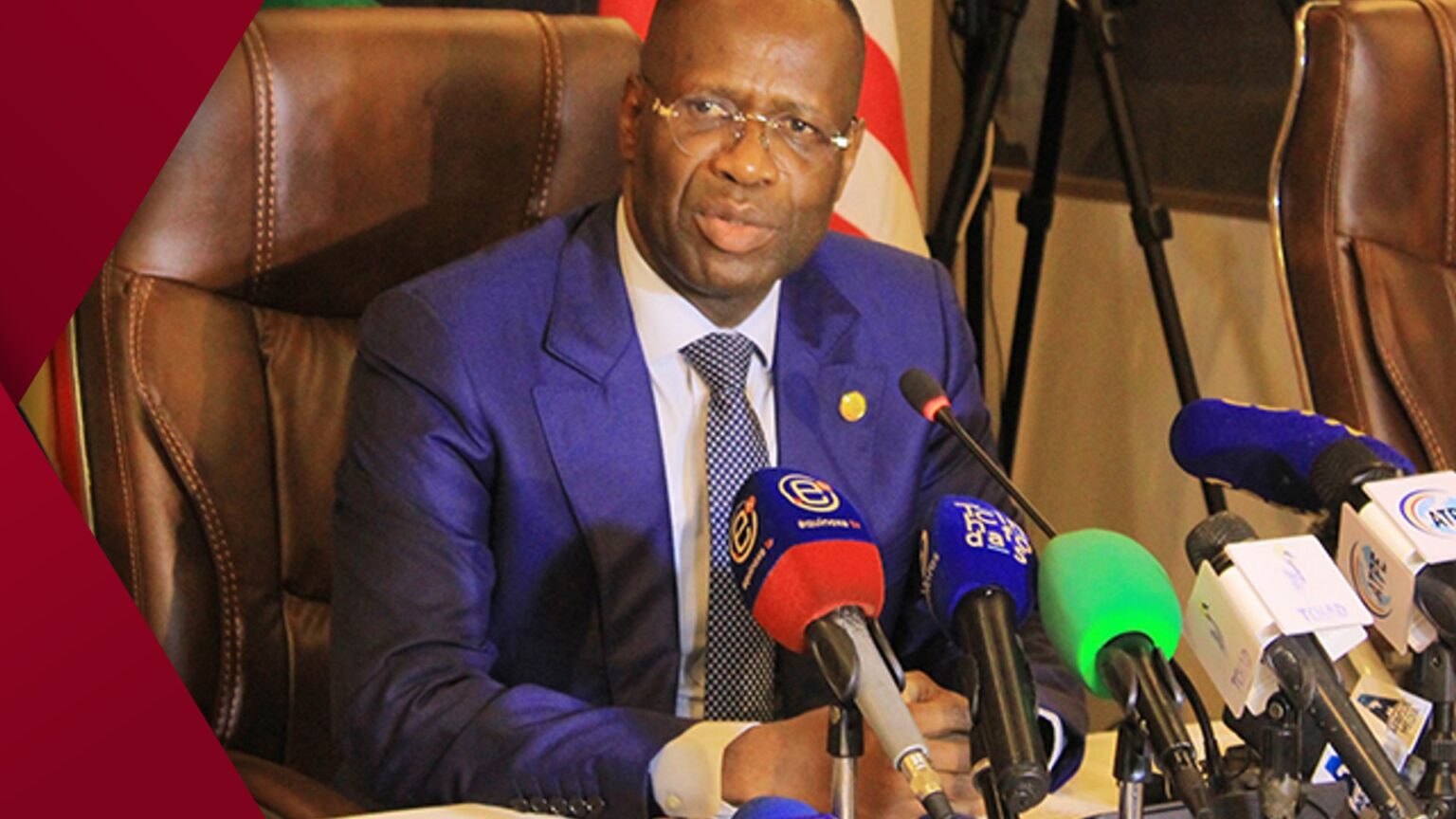
During a high — level forum on payment interoperability in Sub-Saharan Africa, held in Kigali on March 9, BEAC Governor Yvon Sana Bangui cautioned that taxing mobile money transactions could impose long-term costs on financial inclusion, particularly in a region where access to traditional banking services is limited. Mobile money has become a critical financial innovation in Central Africa, serving millions in the Economic and Monetary Community of Central Africa (CEMAC) countries, including Cameroon, Chad, Gabon, Equatorial Guinea, the Republic of Congo, and the Central African Republic.
It is used for remittances, utility bill payments, salary disbursement, and microloans, especially in rural and underserved communities.
According to BEAC, taxing mobile money penalizes the populations that financial inclusion policies aim to support. “Mobile money is not just a convenience—it is a necessity for millions,” Bangui emphasized.
He warned that placing additional costs on its use could discourage adoption and push users back toward informal, cash — based systems.
The BEAC governor’s concerns align with earlier warnings from the International Monetary Fund (IMF), which has cautioned against the unintended consequences of taxing digital financial services.
The IMF has noted that such measures disproportionately affect low — income users, who are more sensitive to transaction costs.
In Central Africa, countries have adopted various approaches to mobile money taxation. For instance, Cameroon introduced a 0. 2% tax on electronic money transfers and withdrawals in January 2022, while Chad proposes eliminating taxes on money transfers, reflecting a growing recognition of the need to support digital financial ecosystems.
Bangui urged policymakers to adopt a more coherent approach, aligning fiscal strategies with broader development goals. Instead of taxing mobile money, he suggested placing greater emphasis on cash transactions to incentivize the shift toward digital payments.
As Central Africa continues its digital transformation journey, the debate over mobile money taxation is likely to intensify.
The region stands at a critical juncture where policy choices made today could shape the trajectory of financial inclusion for years to come. Further details are expected as BEAC continues to engage in dialogue and policy guidance to address the lack of a unified regional framework on mobile money taxation.