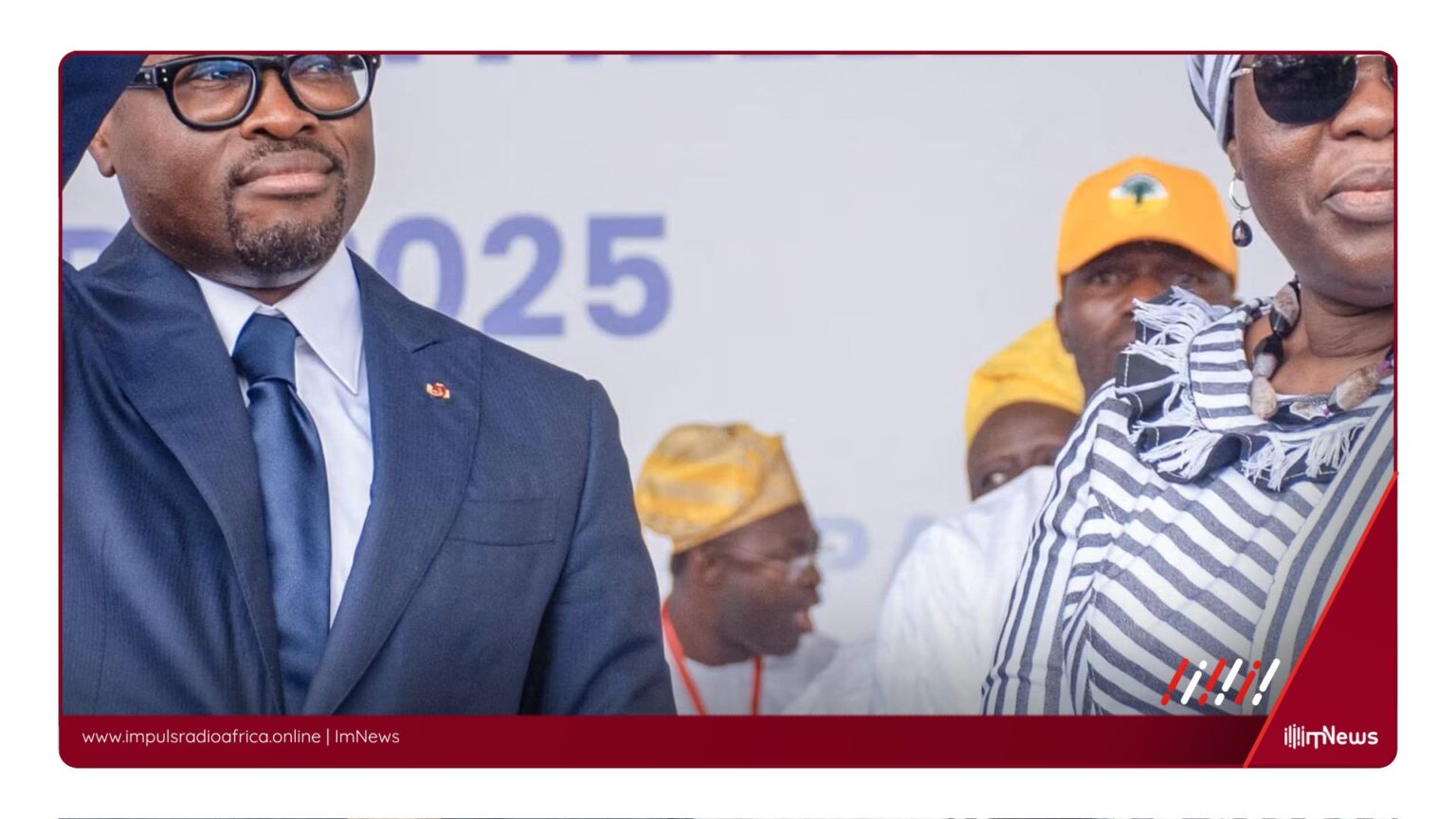
Benin’s Presidential landslide: Wadagni’s Victory Raises Questions of Legitimacy. Cotonou, Benin – In a resounding victory, Romuald Wadagni, the incumbent Finance Minister, secured the presidency of Benin with an extraordinary 94. 27% of the vote.
This landslide win, however, has ignited a debate over the legitimacy of the election results, casting a shadow over the country’s democratic process.
The election, with a voter turnout of 58. 78%, was marked by the absence of a credible opposition.
The Democrats, Benin’s main opposition party, failed to field a candidate, leaving Paul Hounkpe, the sole challenger, to face an uphill battle against Wadagni, who was backed by outgoing President Patrice Talon. Academic analysis by Narcisse Martial Yèdji from the University d’Abomey-Calavi de Bénin has highlighted the concerns surrounding the election’s fairness. Yèdji cited the restricted opposition participation and voter apathy as key factors contributing to the legitimacy concerns.
The backdrop of the election was rife with political challenges, including a coup attempt in the months leading up to the polls. Although the attempted coup was quelled by security forces, it underscored the country’s political volatility and the potential for instability. Wadagni’s victory raises questions about the long-term effects on Benin’s political stability and democracy.
As the new president, Wadagni will inherit a country addressing economic development, security concerns, and the need for political reform. His policies and leadership style will be closely scrutinized as he navigates the country towards stability and prosperity. KICKER: As Benin embarks on a new chapter under President Wadagni, the true test of his administration’s legitimacy and effectiveness will be its ability to address the country’s pressing issues and restore public confidence in the democratic process.
*Additional reporting by ImNews | Sources consulted: 4*
—
This original article was produced by the ImNews editorial team
Source: Narcisse Martial Yèdji