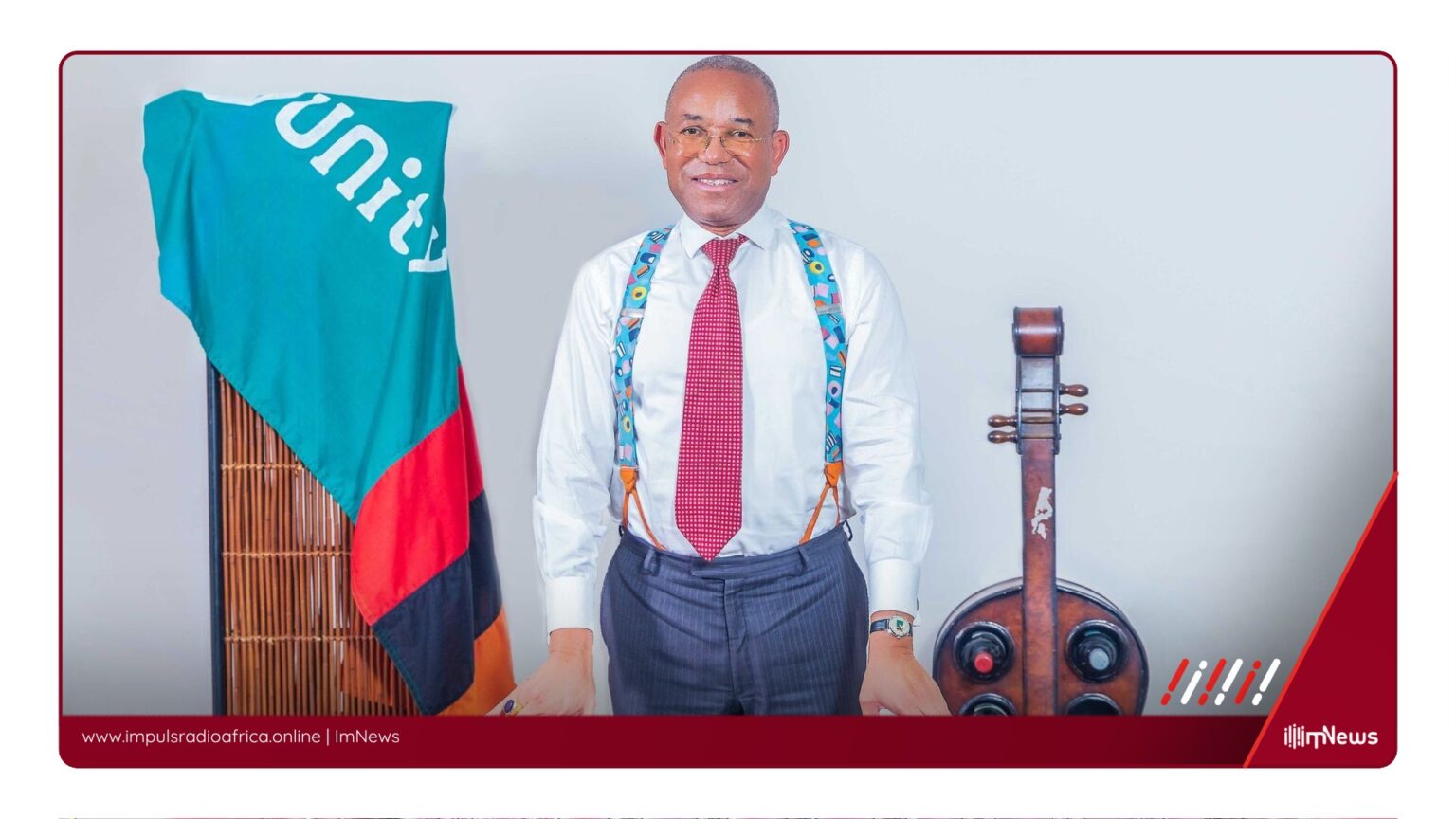
Zambia’s Democratic Integrity Challenged by Electoral Manipulation and Bill 7 BODY: Lusaka, Zambia – As Zambia hurtles towards the August 13, 2026, general elections, concerns are mounting over the ruling United Party for National Development’s (UPND) tactics, which critics describe as a sophisticated form of “constitutional robbery. ” This strategy, according to Bishop Musonda Trevor Selwyn Mwamba, President of the United National Independence Party (UNIP), involves the manipulation of legal and institutional frameworks to weaken the opposition while maintaining the illusion of a democratic process.
The UPND’s strategy includes the recent Electoral Process (Amendment) Act, which drastically reduced the public voter register inspection window from 90 to 14 days. This change is seen as a constraint on civil society’s ability to verify data and ensure a clean voter roll.
Additionally, a massive delimitation exercise expanded Parliament from 156 to 226 directly elected seats, potentially gerrymandering favorable regions for the ruling party. History in Zambia suggests that such maneuvers have not succeeded in containing the electorate’s will. Past transitions, such as the 1991 shift from one-party rule to multiparty democracy and the 2011 and 2021 elections, demonstrate that voters have overcome institutional barriers to uphold democratic change.
Zambia is currently addressing significant economic challenges, including high living costs, rising food prices, and power deficits. Political analysts argue that economic dissatisfaction is a primary driver of voter choice, making legal adjustments secondary to public sentiment.
As the country prepares for the elections, the opposition, organized under alliances, continues to contest these legislative changes and mobilize voters.
The international community is also monitoring the situation, with the Bertelsmann Transformation Index (BTI) Zambia Country Report 2026 highlighting concerns about the rule of law and the threat to democratic institutions.
The outcome of these elections and the fate of Zambia’s democracy may well hinge on the electorate’s determination to ensure that the power ultimately rests with the people.
*Additional reporting by ImNews | Sources consulted: 5*
—
This original article was produced by the ImNews editorial team
Source: Panafricanvisions
Source: Pan African Visions