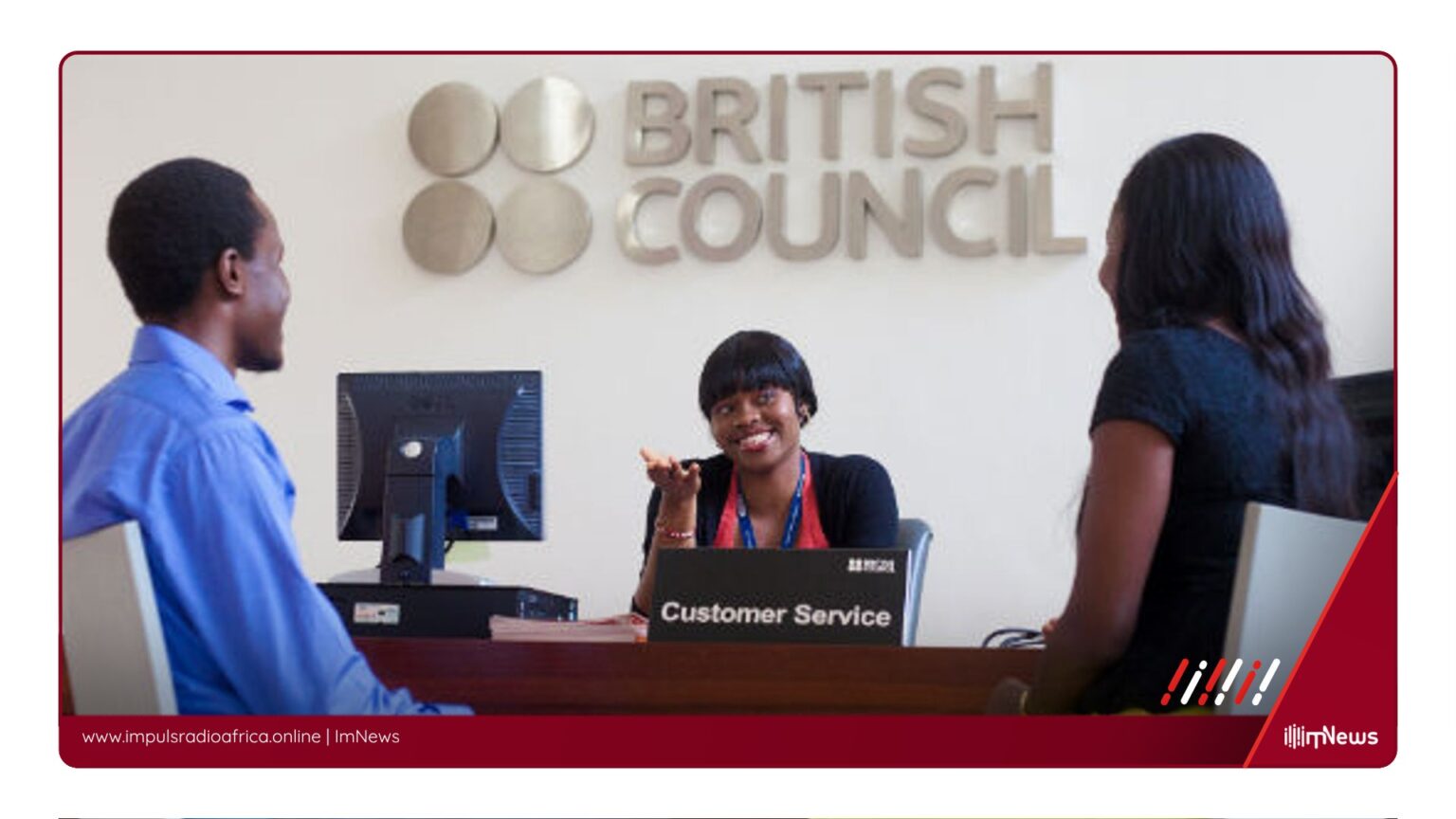
Dar es Salaam, Tanzania — The British Council, a cornerstone of cultural and educational exchange, has announced the closure of its cultural offices in Botswana, Mozambique, and Tanzania. This decision, effective by July 2026, is part of a broader restructuring initiative aimed at adapting to the financial pressures faced by international development organizations, particularly in the wake of the COVID-19 pandemic and the tightening of overseas aid spending by governments worldwide.
The British Council, known for its role in promoting the UK’s soft power through English language programs, education partnerships, and cultural exchanges, has secured an additional £40 million in non-aid funding to support its operations over the next three years. Despite this, the organization has been compelled to reduce its global footprint to ensure its sustainability and efficiency.
The closures in Botswana, Mozambique, and Tanzania are among nine countries where the British Council will end its permanent presence. This move is not without its implications, as the affected countries may see a reduction in direct access to educational exchanges, scholarship support, and cultural programs that have been integral to the UK’s engagement with the continent.
The restructuring comes as the UK, along with other Western governments, reevaluates its foreign aid spending in light of domestic fiscal pressures and shifting geopolitical priorities.
The United States has also scaled back several overseas development programs, raising concerns about the future of education, health, and governance initiatives across Africa.
The British Council’s decision to continue delivering development programs through partnerships and alternative operating models, even without permanent offices, reflects a shift towards more flexible and cost-effective approaches to international development.
The UK’s Foreign, Commonwealth & Development Office has defended the decision, stating that Britain’s global influence can be maintained through partnerships and digital engagement rather than the maintenance of physical offices in every country.
As the British Council restructures its operations, the future of cultural diplomacy, particularly in Africa, remains a topic of interest and concern.
The absence of the British Council’s offices could leave a significant gap in fostering international understanding and collaboration, prompting questions about the long-term impact on cultural and educational exchange between the UK and the affected countries.
*Additional reporting by ImNews | Sources consulted: 5*
—
This original article was produced by the ImNews editorial team
Source: Africa.businessinsider
Source: Solomon Ekanem