Accra, Ghana — Burkina Faso’s Liptako Gourma and Central Sahel Crisis Intensifies In Burkina Faso, the Liptako Gourma region, which borders Mali and Niger, finds itself at the epicenter of a multifaceted crisis that has been exacerbated by insecurity, displacement, and climate shocks.
The situation has been further compounded by severe funding shortfalls, which have significantly undermined response efforts.
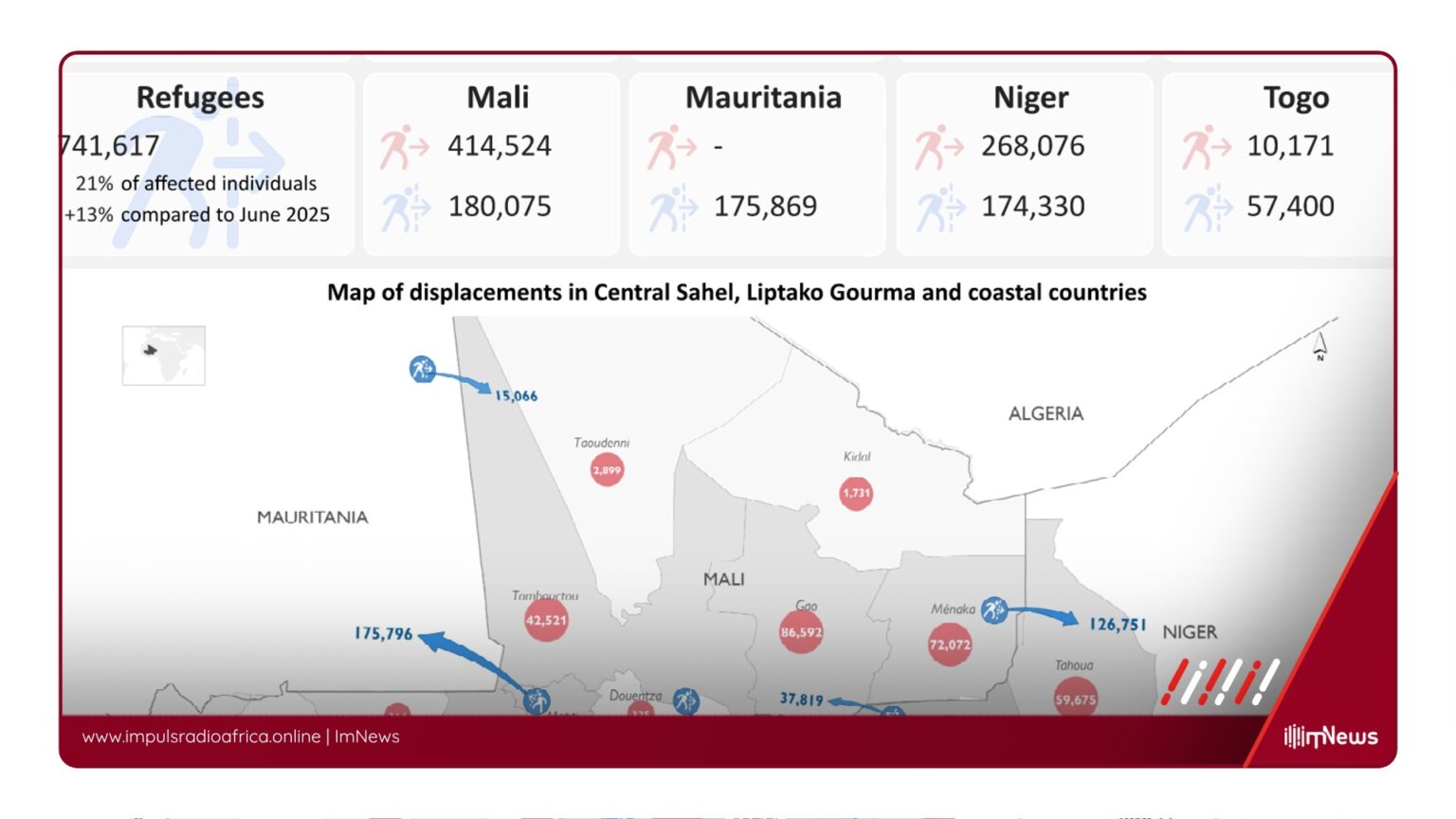
The crisis has led to significant population displacement within the region, with the UNHCR reporting that 2.
654 million internally displaced persons (IDPs) and 678,000 refugees are in need of assistance.
The UN and humanitarian partners have launched the 2026 Humanitarian Needs and Response Plan, requesting $658. 5 million to support 2.
7 million people in need across Burkina Faso and 12 other regions.
In 2025, only one-third of the required funding for Burkina Faso was received, resulting in a reduction in assistance and reaching less than half of the targeted population. This funding gap has had a profound impact, with NGOs and UN agencies reporting that 500,000 people in the Liptako and Soum regions received life-saving assistance, thanks to US$14.
9 million mobilized from various sources.
The Government of Burkina Faso has been leading efforts in key sectors such as food security, health, and essential services, with support from the international community.
However, the scale of the crisis demands a more substantial response.
The Liptako Gourma region presents a complex scenario, involving growing competition over dwindling resources, climatic variability, demographic pressure, high levels of poverty, communal tensions, and the absence of state institutions and basic services. This has created an environment conducive to violence related to organized crime and non-state armed groups.
The situation in Burkina Faso underscores the need for a coordinated and comprehensive approach to address the crisis.
While the international community has taken steps to provide assistance, more resources are needed to effectively tackle the multifaceted challenges faced by the region.
As the crisis deepens, it is crucial for all stakeholders to work together to ensure that the needs of the affected populations are met. This includes addressing the root causes of the crisis, such as climate change and insecurity, while providing immediate relief and support to those in need.
Moving forward, the focus should be on mobilizing additional funding, enhancing the coordination of humanitarian responses, and promoting sustainable development initiatives that can contribute to long — term stability and resilience in the Liptako Gourma region and beyond.
*Additional reporting by ImNews | Sources consulted: 5*
—
This original article was produced by the ImNews editorial team
Source: reliefweb
Source: International Organization for Migration