Mozambique’s Humanitarian Crisis: Aid Funding Lagging Amid Rising Displacement MAPUTO, Mozambique – As of March 2026, Mozambique faces a severe humanitarian crisis marked by an escalating conflict in the northern province of Cabo Delgado, which has led to a significant increase in internally displaced persons (IDPs).
According to the UN Office for the Coordination of Humanitarian Affairs (OCHA), there are now 661,532 IDPs nationwide, with Cabo Delgado hosting approximately 72% of all IDPs.
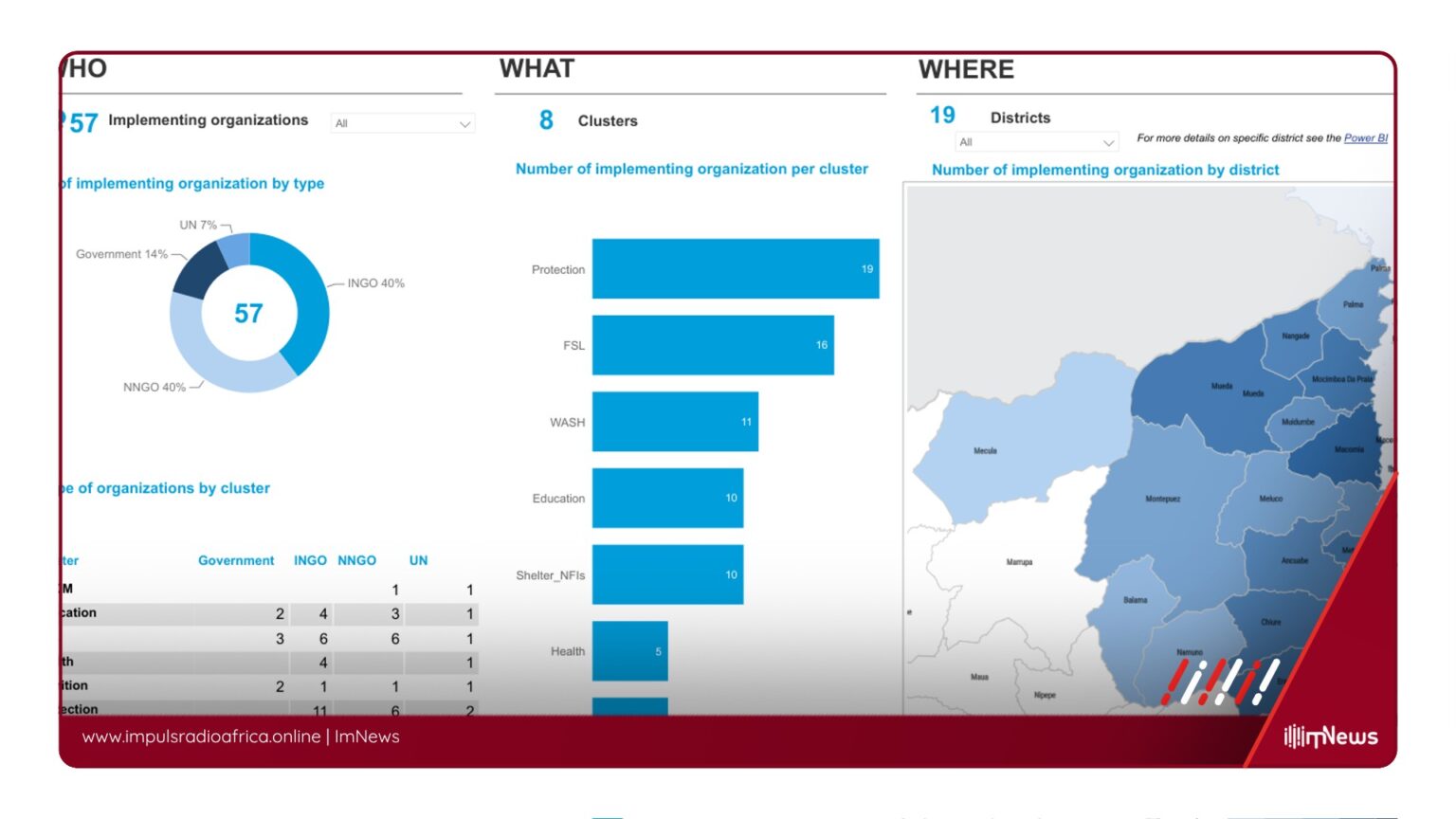
The Mozambique Humanitarian Needs and Response Plan 2026 aims to provide assistance to 1.
7 million people.
However, as of the end of June 2026, only 183. 1 thousand people have been reached, highlighting a substantial gap between the intended and actual aid distribution.
The humanitarian funding requirements for Mozambique were set at $534. 3 million, but only $152. 3 million has been funded, representing a 28.
5% funding rate.
The situation on the ground is dire, with communities facing severe food insecurity, limited access to health care and education, and heightened protection risks, particularly for women, girls, and children.
The impact of the conflict has been exacerbated by the effects of three major cyclones combined with El Niño-induced droughts, which have eroded resilience and deepened vulnerabilities.
The Mozambique Humanitarian Needs and Response Plan 2026 identifies 10 humanitarian clusters, including Camp Coordination and Camp Management (CCCM), Education, Food Security and Livelihoods, Health, Nutrition, Protection, Shelter/NFIs, Water, Sanitation and Hygiene (WASH), Logistics, and Coordination, Thematics, and System Support. These clusters represent the comprehensive approach needed to address the multifaceted humanitarian crisis in Mozambique. OCHreports that while various humanitarian actors are present and working to provide assistance, the scale of the crisis is overwhelming the existing response capacity.
The need for increased funding and support is urgent, as the humanitarian community struggles to meet the basic needs of those affected.
In Cabo Delgado, the situation is particularly acute.
The region has been hit hardest by the conflict, which has led to widespread destruction of social services and the displacement of thousands.
The humanitarian response in the area is being coordinated by various agencies, including the UN agencies, NGOs, and local authorities. Despite the challenges, there are signs of hope. Local communities, humanitarian organizations, and the government are working together to provide relief and support to those in need.
However, without sufficient funding and resources, the efforts to alleviate the suffering are limited.
As Mozambique continues to grapple with the humanitarian crisis, the international community’s support is crucial.
The funding gap needs to be addressed, and additional resources must be allocated to ensure that aid reaches those who need it most.
The challenges ahead are immense, but with a coordinated and compassionate response, it is possible to make a meaningful difference in the lives of those affected by this crisis.
*Additional reporting by ImNews | Sources consulted: 4*
—
This original article was produced by the ImNews editorial team
Source: reliefweb
Source: UN Office for the Coordination of Humanitarian Affairs