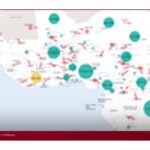


The threat of animal disease emergencies in Cameroon poses significant risks to food security, economies, and public health. To combat this, authorities are emphasizing the importance of rapid response and preparedness. The government, in collaboration with international organizations, is working to bolster surveillance systems and strengthen coordination to mitigate such crises effectively.
Animal diseases can spread rapidly, leading to mass animal deaths and economic losses for farmers. The situation is further exacerbated by the interconnectedness of global trade and travel, which can facilitate the spread of diseases across borders. In Cameroon, the government recognizes the critical need for a proactive approach to safeguarding its livestock sector.
To address these challenges, Cameroon has been investing in disease surveillance and early warning systems. This includes training veterinary personnel, enhancing laboratory capabilities, and establishing a robust information-sharing network. By doing so, the country aims to detect and respond to outbreaks promptly, minimizing their impact on the population.
One key aspect of this strategy is the collaboration with international partners, such as the World Organization for Animal Health (OIE) and the Food and Agriculture Organization of the United Nations (FAO). These organizations provide technical expertise, resources, and support to strengthen Cameroon’s animal health infrastructure. “The government’s focus on disease anticipation and emergency action is crucial for safeguarding our economies, livelihoods, and public health, “said Dr.
John Ngu, a veterinarian and animal health expert. “By working together with international partners, we can build a more resilient and prepared animal health system.”The long-term goal is to create a sustainable and effective animal health system that can adapt to emerging threats and reduce the risk of future crises.
This will require ongoing investment, capacity building, and cooperation among various stakeholders.
Cameroon’s proactive approach to mitigating animal health crises is a crucial step towards ensuring food security, economic stability, and public health. By prioritizing disease anticipation and emergency action, the country is taking a significant step towards a more resilient future.
Source: Cameroon Ministry of Agriculture and Rural Development