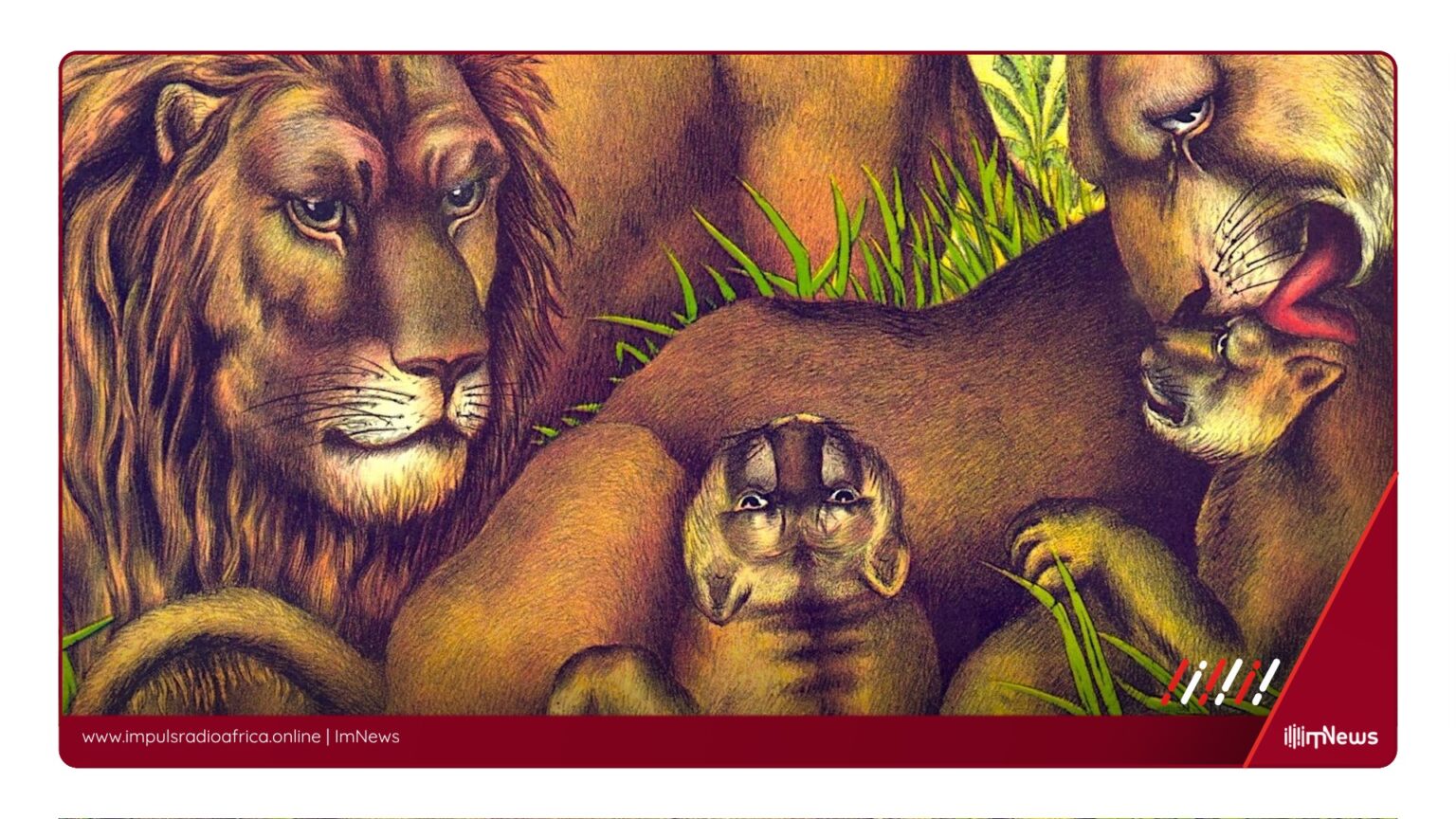
Cameroon’s Cultural Icons: The Endangered World of Sacred and Royal Animals BODY: Kinshasa, DRC – The Grassfields of western Cameroon are a tapestry of cultural significance, where certain animals are revered as sacred and royal. These include wild cats such as cheetahs, leopards, and lions, as well as elephants, porcupines, and the Bannerman’s turaco, a bird with vibrant plumage. Their presence is deeply woven into the fabric of indigenous kingdoms, known as fondoms, where they are used in royal ceremonies, decorations, and distinctions.
Unfortunately, this cultural richness is under threat.
The very practices that imbue these animals with such significance are contributing to their rapid decline. Poaching for bushmeat and habitat loss due to agricultural expansion are the primary culprits. Kenneth Nsah Mala, a PhD from the University of Cologne, has underscored the urgency of balancing biodiversity conservation with cultural preservation in his research.
The Cameroon News Agency has echoed these concerns, calling for public action to prevent the extinction of these animals.
The plight of these species is not just a conservation issue; it is a cultural one that demands a nuanced approach. Nsah Mala suggests that literature and futures thinking could offer innovative solutions. Ecoliterature, which explores the human-nature relationship, can foster a deeper appreciation for these animals and biodiversity.
Participatory foresight, involving stakeholders in envisioning the future, could also help develop culturally sensitive conservation strategies.
The conservation of Cameroon’s sacred and royal animals is a call to action for the preservation of both cultural heritage and the environment. Through literature, futures thinking, and community engagement, a sustainable path forward can be charted, one that honors tradition while protecting the natural world.
*Additional reporting by ImNews | Sources consulted: 5*
—
This original article was produced by the ImNews editorial team
Source: Kenneth Nsah Mala