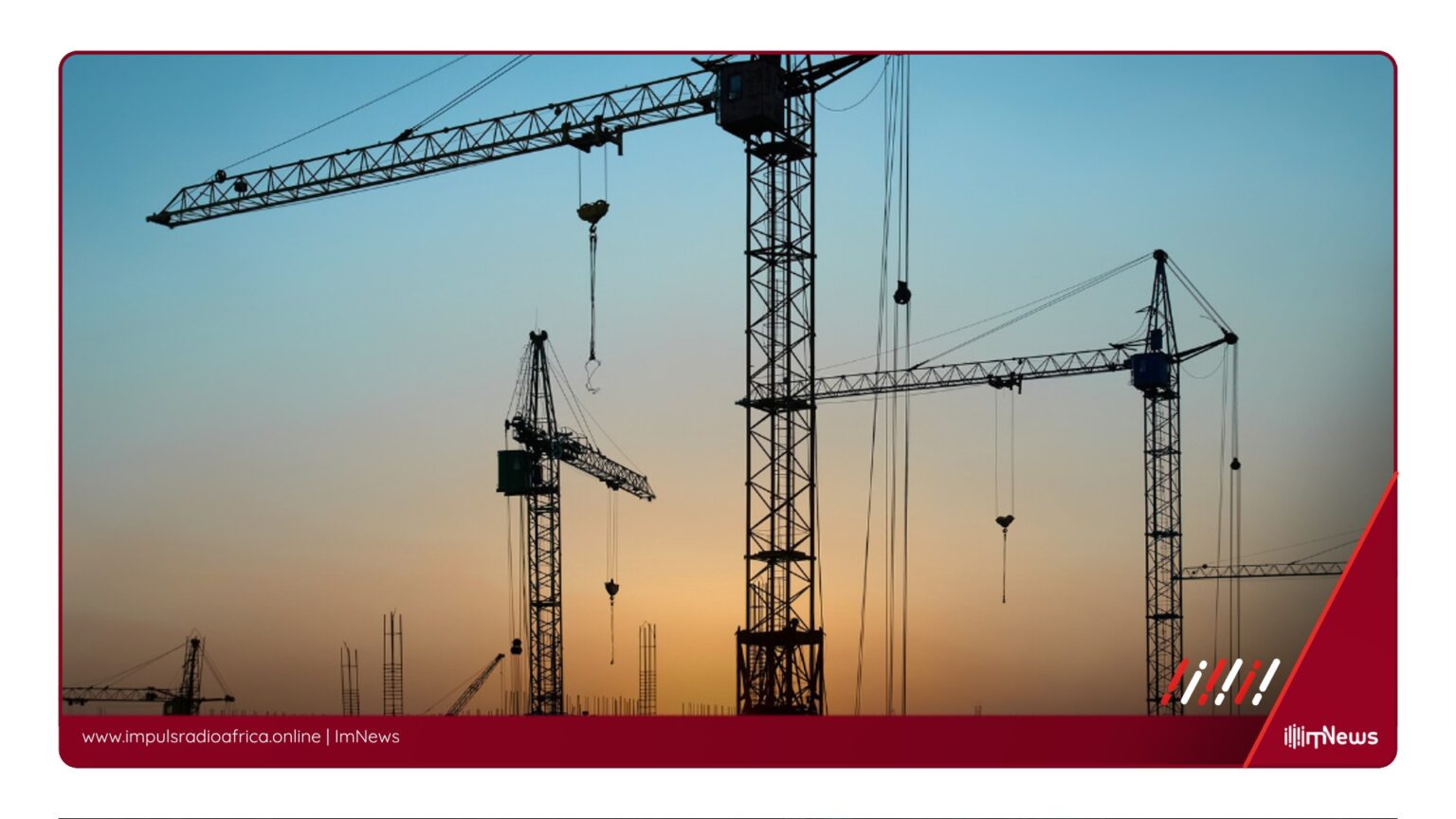
Cape Town, South Africa — As the Africa Energy Forum converges on Cape Town from 16 to 19 June 2026, under the theme “Building Africa’s Industrialised Future, “the continent’s focus is shifting from merely expanding electricity access to the strategic role electrification plays in industrial growth.
The conversation is no longer confined to the provision of electricity; it’s now an economic imperative, a key to unlocking productivity, fostering job creation, and propelling economies forward.
In Africa, energy shortages remain a significant barrier to development, constraining operations and deterring investment. Reliable and affordable electricity is crucial for modern economies, underpinning everything from factory production to mining, processing facilities, and logistics networks. Its absence can hinder productivity, delay investment decisions, and make long-term growth challenging to sustain.
The recognition of electrification as a cornerstone for long — term growth is growing. It is not just an infrastructure goal but a catalyst for broader economic progress. Establishing electricity systems that can support industrialisation requires an integrated approach that encompasses generation, transmission, distribution, grid access, wheeling arrangements, battery storage, and regulatory frameworks.
South Africa’s recent energy reforms exemplify the continent’s response to this challenge.
The Electricity Regulation Amendment Act, the National Wheeling Framework, and the Wholesale Market Code aim to foster a more competitive and diversified market, attracting investment and ensuring long — term energy security. Africa is witnessing an increase in project development, infrastructure investment, renewable energy transactions, private power procurement, and independent power producer projects. This activity is underpinned by growing confidence in the sector and a need for commercially viable frameworks that can support long-term investment.
Renewable energy, especially solar paired with battery storage, is becoming an increasingly viable option, not just for sustainability reasons but also for cost and reliability.
The continent’s environmental conditions present an opportunity to leapfrog fossil-fuel dependant economies and move towards modern energy systems.
However, renewables are not a panacea. Grid capacity, storage, and system integration challenges remain. Yet, they are increasingly integral to the solution.
Regional cooperation, with stronger interconnections, integrated transmission networks, and regional power trading, can enhance reliability and create more attractive investment markets.
As Africa tackles the dual challenges of energy access and industrial growth, the push for electrification is a transformative force. By connecting millions to power, the continent is set to unlock its full economic potential, paving the way for a sustainable and prosperous future.
*Additional reporting by ImNews | Sources consulted: 5*
—
This original article was produced by the ImNews editorial team
Source: africa
Source: NG Editor