Khartoum, Sudan — The 2026 rainy season in Chad has commenced with a complex scenario, characterized by erratic rainfall patterns and a significant influx of returnees from Sudan, placing immense pressure on the country’s resources and humanitarian response.
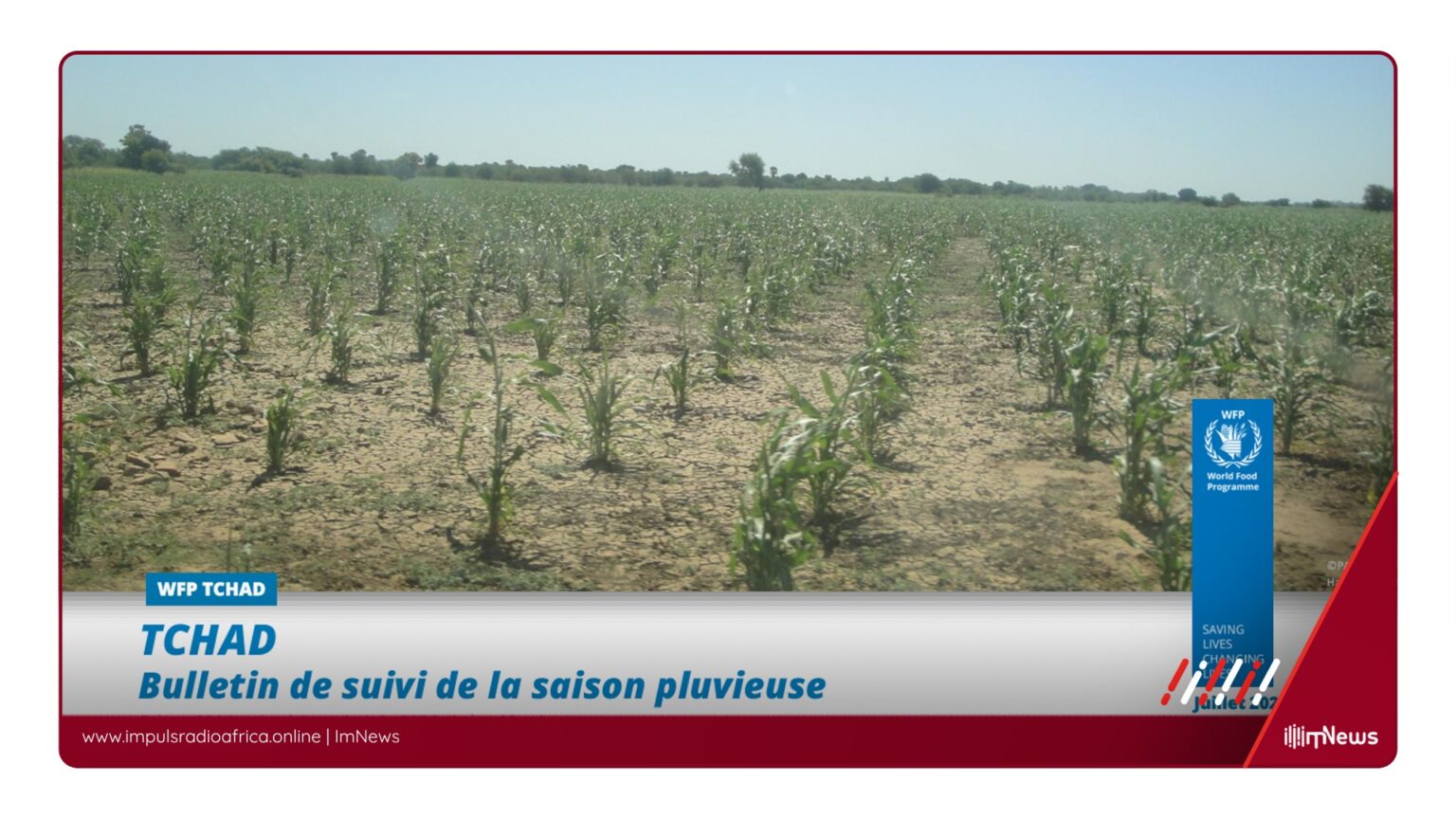
The Sahel region of Chad is addressing varying levels of rainfall, with some areas experiencing below — normal precipitation and others above average. This variability, as noted by the World Food Programme (WFP) in its Bulletin de suivi de la saison pluvieuse, has posed challenges for agro-pastoral activities, the primary livelihood for many residents. Moreover, Chad is dealing with over 400,000 Sudanese returnees, a situation further straining the country’s already limited resources, including food, shelter, and healthcare.
The International Organization for Migration (IOM) is leading the response to this crisis, working closely with the Government of Chad and various UN agencies and NGOs.
The WFP has called for increased efforts to support the most vulnerable populations, emphasizing the need for adequate food and nutrition as the impacts of erratic rainfall and the returnee crisis deepen. This dual challenge underscores the need for effective adaptation strategies and humanitarian support to mitigate the impacts of climate change and regional instability.
The international community’s continued support for Chad is crucial in addressing these complex humanitarian crises. KICKER: As Chad faces the combined challenges of erratic rainfall and a significant returnee crisis, the international community’s support will be vital in its efforts to adapt to these challenges and provide for its people.
*Additional reporting by ImNews | Sources consulted: 5*
—
This original article was produced by the ImNews editorial team
Source: reliefweb
Source: World Food Programme