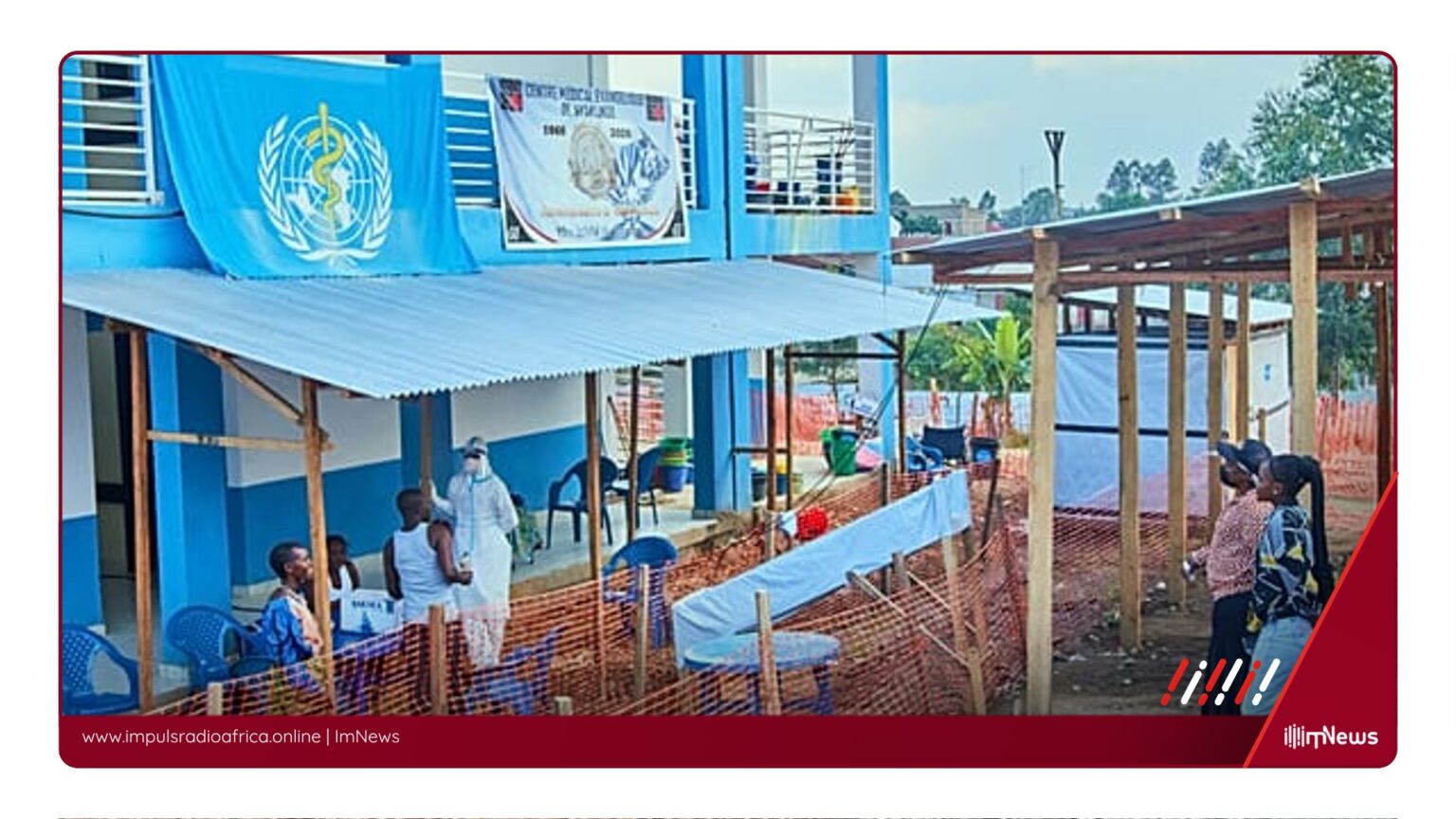
Ebola Outbreak in DRC: 80% of New Cases Origin Unidentified, WHO Warns BODY: Nairobi, Kenya – The Ebola outbreak in the Democratic Republic of Congo (DRC) is intensifying, with a concerning 80% of new cases tracing back to unknown sources, according to the World Health Organization’s (WHO) emergencies chief, Chikwe Ihekweazu.
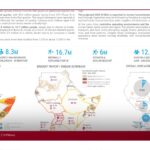
The situation is critical as the DRC grapples with the rapid spread of the rare Bundibugyo virus, which has led to at least 1,926 infections and 702 deaths across three provinces. Neighboring Uganda has also reported cases.
The WHO’s Ihekweazu highlighted the challenge of dealing with a virus that is spreading in communities where individuals die without receiving care, often never reaching a health facility.
The lack of identification of the chains of transmission poses significant obstacles for health authorities in containing the outbreak.
In Bunia, Ituri province, the response is being hampered by an ongoing conflict and a lack of trust among local communities, compounded by a recent strike by workers at an Ebola treatment center over unpaid salaries.
The WHO has stepped up efforts to increase treatment capacity and lab capabilities, with the Bunia facility now having nearly 800 beds and lab capacity expanding from one to 14.
However, the pace of the outbreak outstrips the response, as officials continue to express that they have not caught up.
The potential scale of the outbreak is a matter of grave concern, with the New York Post suggesting the true figure could be two to four times higher than reported. To combat this, three new vaccines are in development, with the International Aids Vaccine Initiative (IAVI), the University of Oxford, and the pharma company Moderna among the organizations involved.
The WHO is working to identify and evaluate candidate treatments and vaccines for the Bundibugyo virus, with all identified products being used exclusively within clinical trials to ensure robust data and safety. This outbreak serves as a stark reminder of the challenges posed by infectious diseases in regions with limited healthcare resources and ongoing conflict, emphasizing the need for global support in addressing such health crises.
*Additional reporting by ImNews | Sources consulted: 5*
—
This original article was produced by the ImNews editorial team
Source: Africanews
Source: AfricaNews