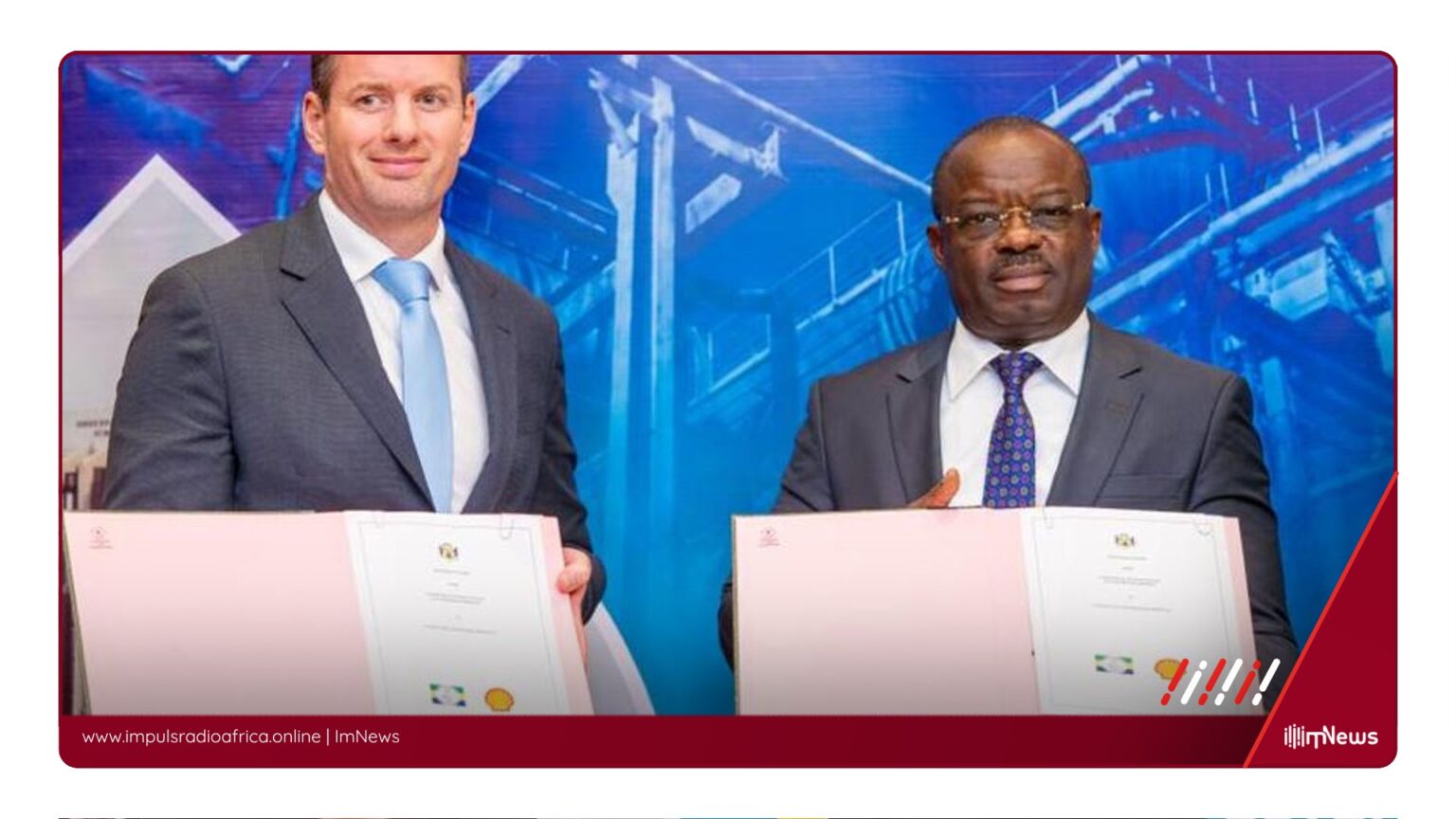
LIBREVILLE, Gabon — On June 24, 2026, the Gabonese Minister of Petroleum and Gas, Clotaire Kondja, inked a Memorandum of Understanding (MoU) for ultra-deepwater offshore exploration with Shell’s exploration head, Thomas Praeger. This development, learned from the Gabonese Press Agency, heralds new opportunities for the country.
The Gabonese government aims to transform these technical evaluation agreements into firm production — sharing contracts. Should seismic data prove conclusive, Gabon could experience a second petroleum boom, potentially solidifying its position in the Gulf of Guinea and structurally compensating for the gradual decline of its mature fields. This move is part of a strategic effort by Libreville to reclaim the interest of major international companies.
The government’s attractiveness framework is built on the extensive opening of the maritime domain.
The new offshore licensing cycles for 2026 cover approximately 70% of Gabon’s maritime territory still open to exploration. This attractiveness is further bolstered by a stabilized oil price above $80 per barrel and existing infrastructure, such as pipelines, which help companies reduce their initial development costs. Ten years after divesting its assets and exiting the Gabonese oil scene, Shell is making an official comeback.
However, this agreement does not signify an immediate resumption of production but opens a phase of evaluating the hydrocarbon potential of several offshore blocks in ultra — deep waters.
The simultaneous return of Shell, British Petroleum (BP), and ExxonMobil to the Gabonese sedimentary basin is a rare sign of confidence in an African market where competition for exploration licenses remains intense.
*Additional reporting by ImNews | Sources consulted: 5*
—
This original article was produced by the ImNews editorial team
Source: Agpgabon
Source: Redaction