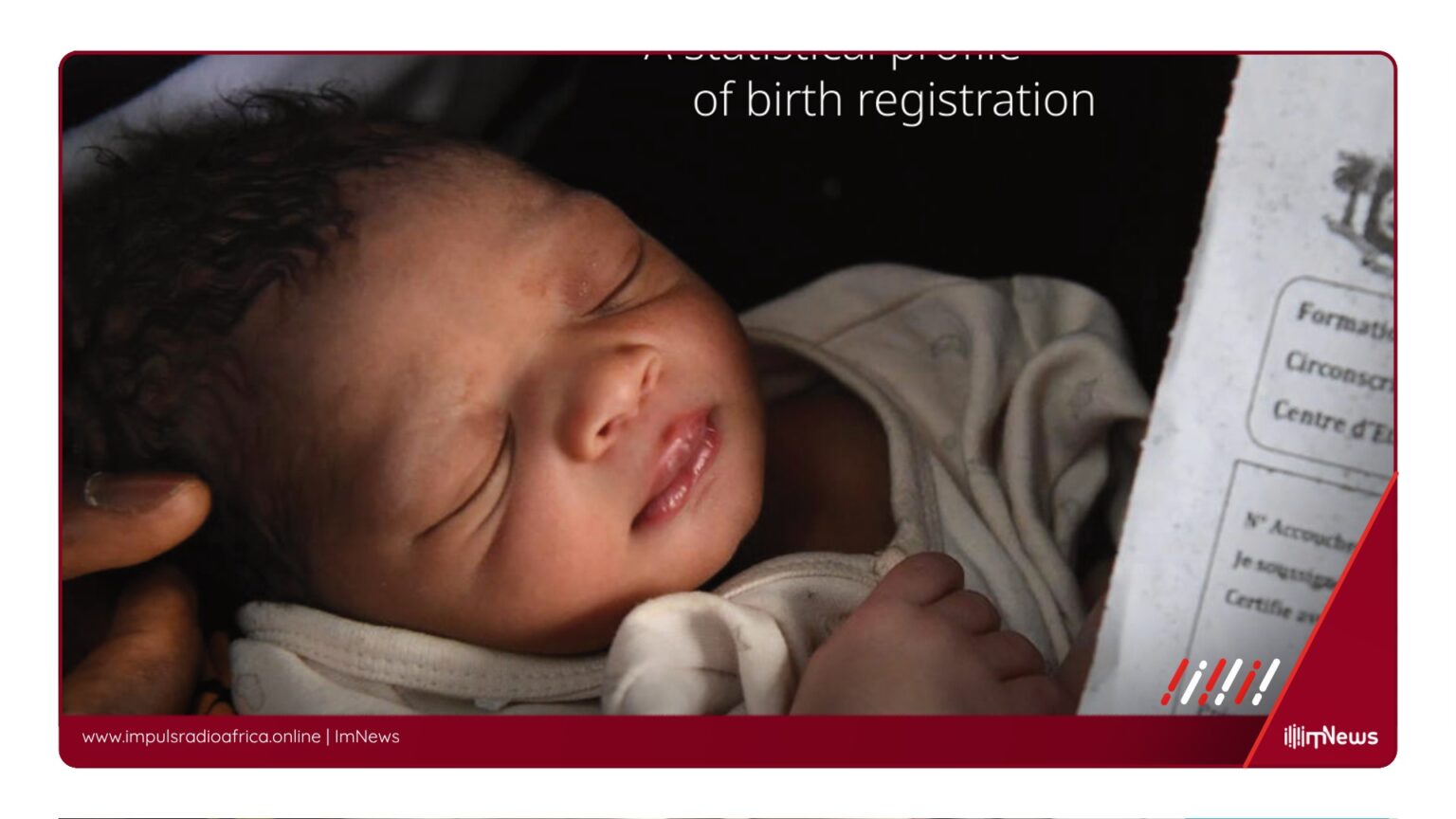
The UNICEF data briefs on birth registration in the three countries have highlighted the current levels and trends over time, along with projected future levels under different scenarios.
In Côte d’Ivoire, the highest birth registration rate among children left behind was at 93%, according to a UN report. This figure underscores the nation’s commitment to ensuring that no child is left behind in the formalization of their existence.
In Mozambique, the IFs forecasting platform, as explored in an ISSAfrica. Org article, examines the demographic, economic, and infrastructure-related outcomes up to 2043, considering the Agenda 2063 goals. This analysis indicates that Mozambique’s progress in birth registration is intertwined with broader development objectives, emphasizing the importance of a robust civil registration system in achieving sustainable development.
The Global Nutrition Report indicates modest progress towards achieving global nutrition targets in Africa. Among the 28 countries on course to meet the target for overweight children under 5 years of age, Mozambique is included, reflecting a multifaceted approach to child welfare that includes birth registration.
However, challenges persist.
In Nigeria, for instance, while birth registration rates have shown improvement, there are still significant disparities between urban and rural areas. This gap highlights the need for targeted interventions to ensure that every child, regardless of their location, has their birth registered.
The African Union’s Agenda 2063 aims to transform the continent into a globally competitive and integrated society.
Birth registration, as a fundamental aspect of civil registration, is integral to this vision.
The AU’s commitment to capacity development for Agenda 2063 is reflected in the efforts to strengthen birth registration systems across the continent.
The UNICEF data briefs also provide a glimpse into the future, with projections showing that under different scenarios, birth registration rates could either improve or worsen.
This underscores the need for continuous monitoring and targeted interventions to ensure that progress is sustained.
In conclusion, while Côte d’Ivoire, Mozambique, and Nigeria have made strides in birth registration, there is still much work to be done.
The region’s progress in this area is not only a matter of compliance with international standards but also a critical step towards achieving sustainable development goals and fulfilling the promises of Agenda 2063.
*Additional reporting by ImNews | Sources consulted: 5*
—
This original article was produced by the ImNews editorial team
Source: reliefweb
Source: UN Children's Fund