Johannesburg, South Africa — The nation of South Africa finds itself at a boiling point amidst a surge of anti-migrant protests. Since March 2026, demonstrations against undocumented foreign nationals have swept through major cities, including Johannesburg, Pretoria, Durban, and Cape Town, with loss of life reported.
The most recent incident in Mossel Bay, where several deaths and mass displacements occurred, has sent shockwaves across the country. South African President Cyril Ramaphosa addressed the nation on June 7, 2026, announcing a package of immigration enforcement measures and denouncing vigilante violence. Amidst the ongoing tensions, authorities have deployed police units countrywide to anticipate further unrest.
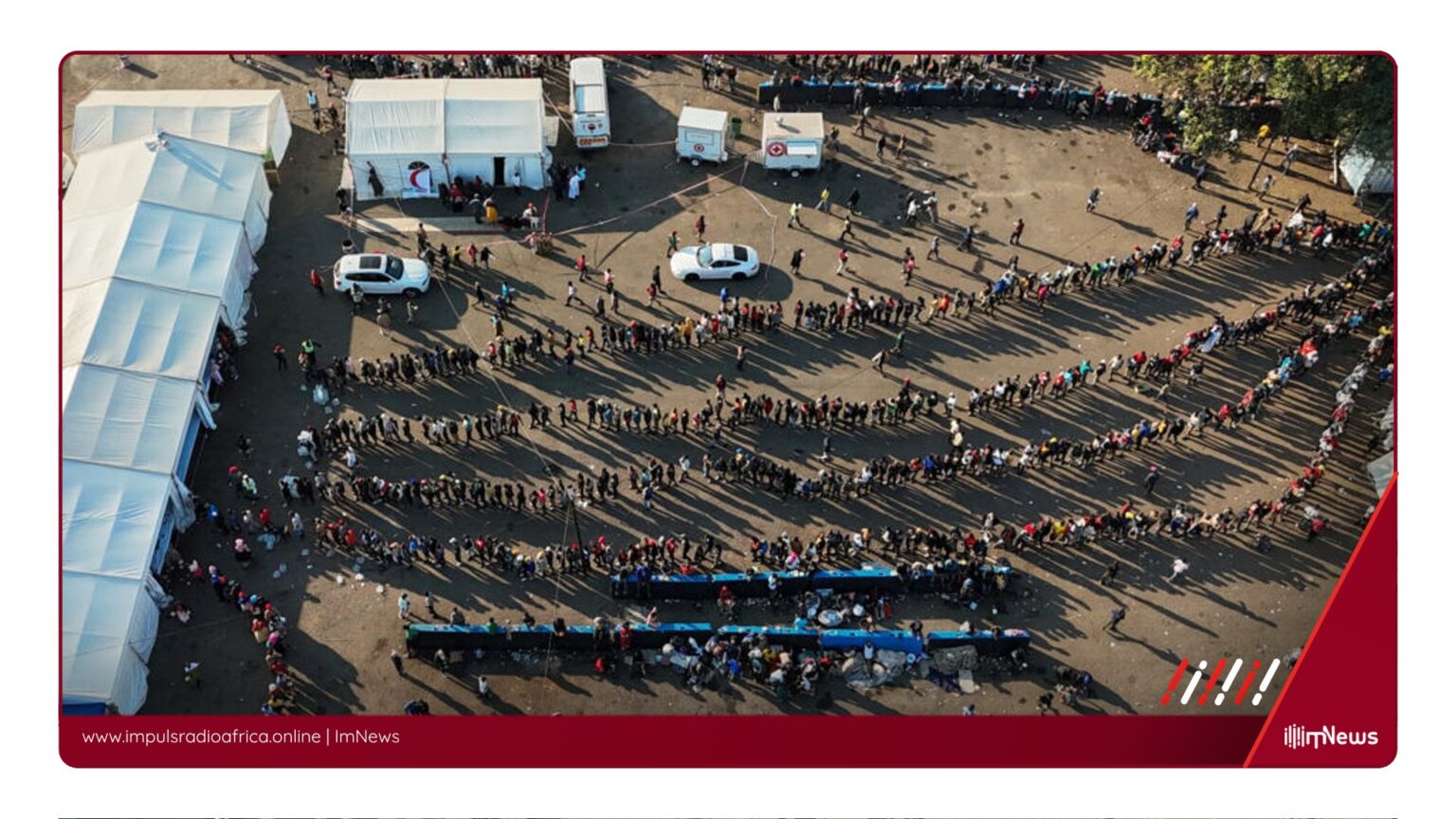
The roots of this crisis are deeply rooted in historical and ongoing issues of xenophobia, particularly affecting African immigrants from neighboring countries. South Africa has experienced previous outbreaks of violence against foreign nationals, such as the 2008 anti-foreigner protests that resulted in 62 deaths. With a deadline set by activists for undocumented migrants to leave the country approaching, thousands of Malawians have gathered in Durban, fearing the escalation of anti-immigrant violence.
The South African government is wary of a repeat of the 2008 violence, with many shopkeepers in Johannesburg opting not to open their shops due to the protests.
In response, Ramaphosa has announced a comprehensive package of measures aimed at tightening immigration enforcement, securing South Africa’s borders, and cracking down on employers who hire undocumented migrants.
The government has also established dedicated immigration courts to expedite the deportation of undocumented migrants and increased workplace inspections targeting businesses employing undocumented foreign nationals. Despite these measures, the underlying social and economic crises remain unaddressed, fueling unrest and xenophobia. Analysts suggest that issues such as high unemployment, pressure on public services, and crime are contributing to the current situation.
The presence of police units across the country, including assets of the South African National Defence Force, underscores the gravity of the situation. Security personnel are seen patrolling the central business district in Johannesburg, indicating a significant escalation in the government’s response.
As South Africa braces for further violence, the nation faces a critical moment in its history.
The government’s ability to address the root causes of the crisis and protect the rights of all its citizens will be put to the test.
The world watches with bated breath, hoping for a peaceful resolution to this escalating national emergency.
*Additional reporting by ImNews | Sources consulted: 5*
—
This original article was produced by the ImNews editorial team
Source: rfi
Source: RFI