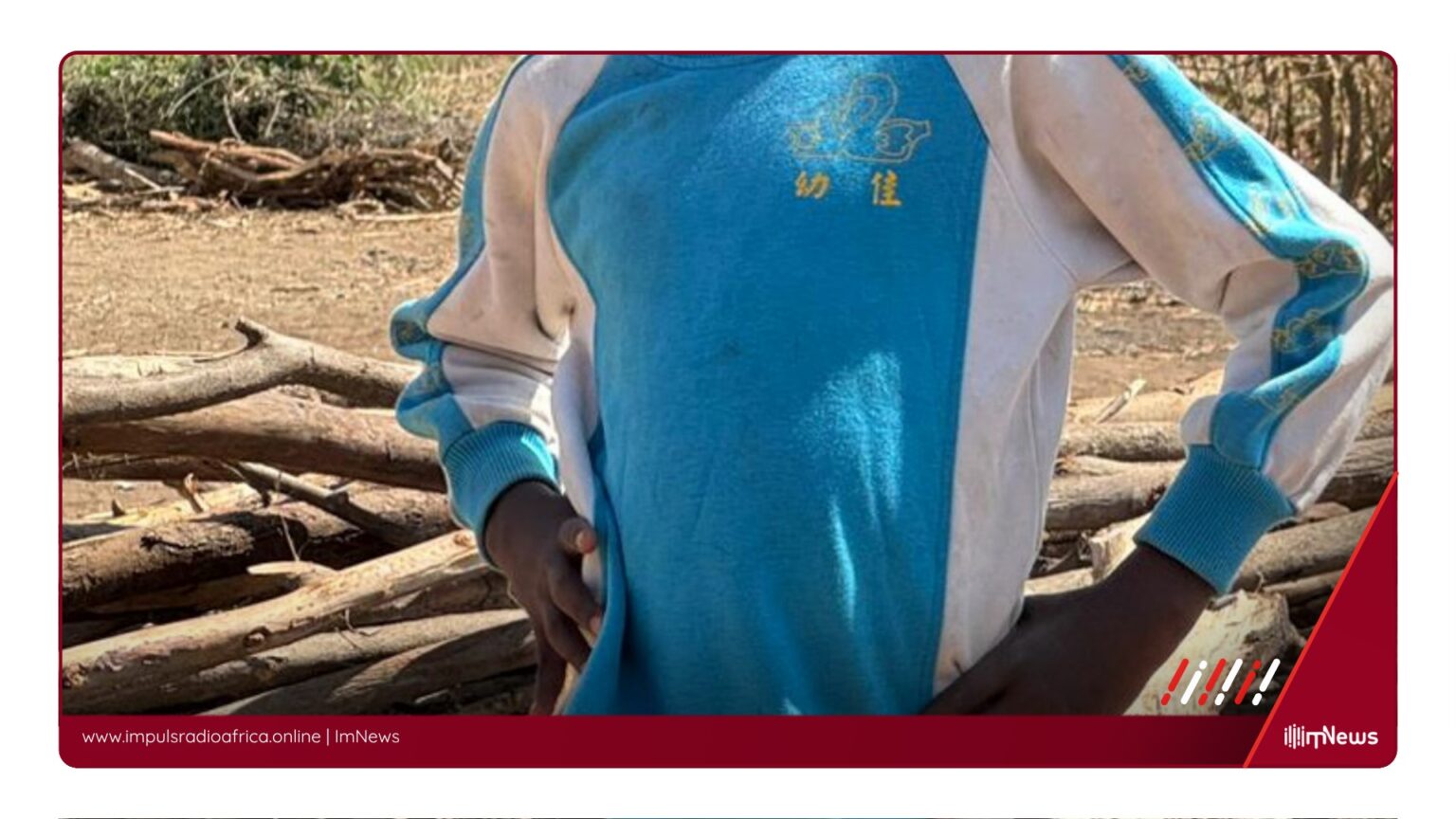
Addis Ababa, Ethiopia — Displaced Persons in Debre Birhan Face Ongoing Challenges The town of Debre Birhan in Ethiopia’s Amhara Region has emerged as a significant hub for internally displaced persons (IDPs), with an estimated 29,160 individuals seeking refuge in the area.
The majority of these individuals, 15,136, are accommodated across three IDP sites, while the remainder reside in host communities. Among these sites, the China Paper Factory Site stands out as the largest, hosting 11,976 individuals, followed by the Woinshet Paper Factory Site with 11,766 individuals, and Bakelo Camp, which accommodates 5,418 individuals.
The situation in Debre Birhan has been further complicated by recent heavy windstorms, which occurred between April 22–25, 2025. These storms caused severe damage to the Selekleka IDP site, resulting in 450 households losing their shelters entirely.
The impact of these events underscores the urgency for improved living conditions and humanitarian support for the displaced population.
In response to the ongoing challenges, representatives from UN OCHA, the Ethiopia Humanitarian Fund, local authorities, and various humanitarian organizations conducted a two — day field mission from May 14–15, 2026.
The mission aimed to assess ongoing humanitarian interventions, identify operational challenges, and strengthen coordination among response actors.
The Center of Concern (CoC), acting as the Camp Coordination and Camp Management (CCCM) coordinating agency for Debre Birhan, facilitated the mission and supported engagement among humanitarian actors, local authorities, and displaced communities.
According to the CCCM Cluster, the IDPs in Debre Birhan face a range of challenges, including worn — out shelters, poor hygiene, and limited protection services.
The CCCM Cluster’s annual report for 2024 highlighted the need for continued support to ensure safe, dignified, and effective responses to displacement settings.
The CCCM Cluster has been actively involved in coordinating emergency site management in internal displacement settings, working across 29 countries to ensure that the needs of affected populations are met.
In Ethiopia, the Cluster has been instrumental in providing support to displaced persons, particularly in regions like Amhara, where the IDP population has been significantly impacted by conflict and natural disasters.
The situation in Debre Birhan is not unique; it is part of a larger trend in Ethiopia, where approximately 3. 36 million individuals are internally displaced.
As the displaced population continues to grow, with new arrivals, secondary displacement following unsuccessful return attempts, and natural population growth, the need for sustainable solutions becomes increasingly urgent.
The introduction of an Area — Based Coordination (ABC) approach by the Center of Concern is a step in the right direction, aiming to improve service delivery for IDPs and ensure that their needs are met more effectively. Looking ahead, the focus must remain on providing adequate shelter, ensuring access to clean water and sanitation, and enhancing protection services for vulnerable groups within the IDP population.
The success of these efforts will depend on the coordination and collaboration of all stakeholders involved, including government agencies, humanitarian organizations, and local communities.
The challenges faced by IDPs in Debre Birhan are complex and multifaceted, requiring a comprehensive and coordinated response.
As the situation evolves, it is crucial that the needs of the displaced population remain at the forefront of all efforts to ensure their safety, dignity, and well — being.
*Additional reporting by ImNews | Sources consulted: 5*
—
This original article was produced by the ImNews editorial team
Source: reliefweb
Source: CCCM Cluster