Kinshasa, DRC — A new wave of the Ebola virus has swept through the Democratic Republic of Congo (DRC), with the deadly disease now spreading to the provinces of Haut-Uele and Tshopo.
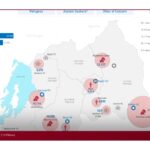
The latest figures from the country’s public health institute reveal that the Bundibugyo strain of Ebola, which has no vaccine or specific treatment, has caused 1,947 confirmed cases and 704 deaths, resulting in a fatality rate of 36. 2%.
This 2026 Ebola outbreak, the 17th in the DRC, was first reported in the Ituri Province on May 14.
The rapid spread of the virus has been attributed to the lack of a vaccine or specific treatment for the Bundibugyo strain, which is particularly challenging to contain.
The outbreak is occurring in a challenging context, including a humanitarian crisis, remote and densely populated areas, insecurity, and high population and trade movements.
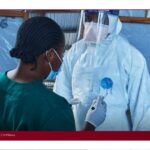
The World Health Organization (WHO) has been involved in scaling up support to the DRC government, including strengthening surveillance, contact tracing, and community engagement.
However, officials have warned that the outbreak is spreading faster than aid efforts can keep pace, despite significant gains in treatment capacity and growing community engagement.
The Ebola outbreak in the DRC has raised concerns about the country’s ability to manage public health emergencies.
The country has experienced multiple Ebola outbreaks since the first one in 1976, and the current outbreak follows a previous outbreak that ended only five months prior.
The Bundibugyo strain of the virus is particularly challenging to contain due to its rarity and lack of specific treatments or vaccines.
The spread of the virus to Haut — Uele and Tshopo provinces is concerning, as current investigations suggest that all cases detected in these two provinces are primarily imported from Niania in Ituri province.
This indicates that the virus is continuing to spread within the country, despite efforts to contain it.
The situation in the DRC is being closely monitored by the WHO and other international health organizations. Experts are working on several vaccine candidates for the Bundibugyo strain of Ebola, but none are available yet.
The lack of a vaccine or specific treatment for the Bundibugyo strain of the virus is making the outbreak particularly challenging to manage.
As the Ebola outbreak continues to spread, the DRC government and its international partners are working to strengthen surveillance, contact tracing, and community engagement to prevent further spread of the virus.
However, the challenges of working in remote and densely populated areas, combined with insecurity and high population and trade movements, make the task particularly difficult.
The spread of the Ebola virus to new provinces in the DRC is a stark reminder of the ongoing public health crisis in the country.
The international community must continue to support the DRC government in its efforts to contain the outbreak and protect its citizens from the devastating effects of the virus.
As the situation evolves, it is crucial for the DRC government and its partners to remain vigilant and continue their efforts to control the spread of the Ebola virus.
The world is watching closely to see how the situation unfolds in the coming weeks and months.
*Additional reporting by ImNews | Sources consulted: 5*
—
This original article was produced by the ImNews editorial team
Source: Google News v2