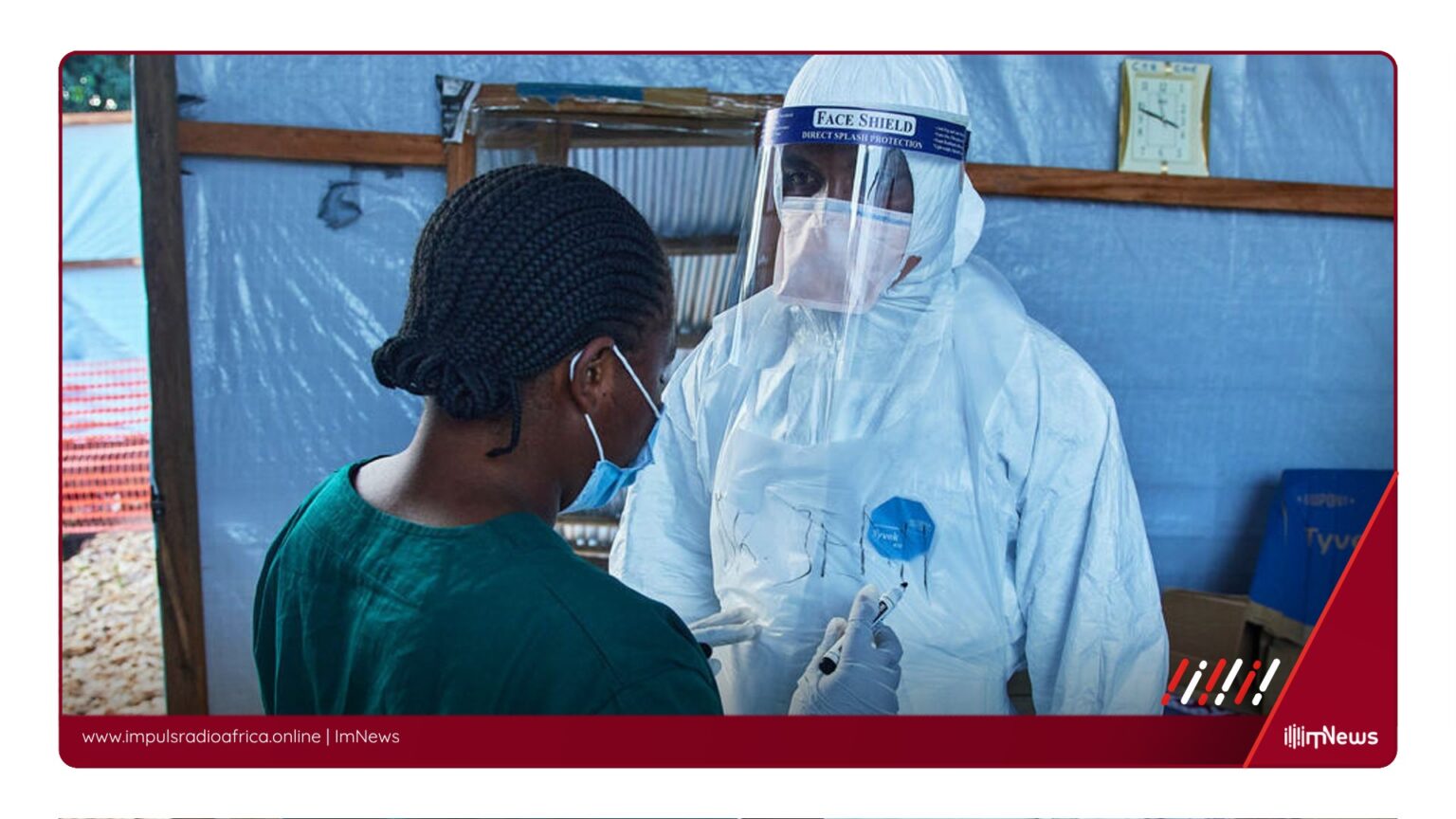
Kampala, Uganda — The Democratic Republic of Congo’s (DRC) Ebola outbreak has taken a tragic turn, with the death toll soaring to 600 as of July 7, 2026.
The World Health Organization (WHO) reported the grim milestone, noting that the true scale of the outbreak remains unknown as it continues to expand.
The current epidemic, caused by the Bundibugyo virus, has been deemed a Public Health Emergency of International Concern, prompting a global response. This is the 17th Ebola outbreak in the DRC and the first since December 2025. Challenges are numerous, including remote and densely populated areas, insecurity, and high population movements, all of which complicate response efforts.
The Congolese government and international partners are working tirelessly to contain the spread of the virus.
The WHO and other organizations are supporting surveillance, contact tracing, clinical preparedness, and community engagement in the DRC and neighboring countries.
The presence of large refugee communities and ongoing armed conflicts further complicates the situation. Access to some areas remains hindered by insecurity, increasing the risk of cross-border spread.
The current fatality rate is 34 percent, with 1,759 confirmed cases.
The situation is critical, and efforts to control the outbreak are ongoing.
As the death toll rises, the international community remains committed to supporting the DRC in its fight against the Ebola outbreak.
The next few weeks are crucial in determining the outcome of this emergency, with a focus on raising awareness, strengthening surveillance, and providing care to those affected.
*Additional reporting by ImNews | Sources consulted: 5*
—
This original article was produced by the ImNews editorial team
Source: france24 – Africa
Source: FRANCE 24