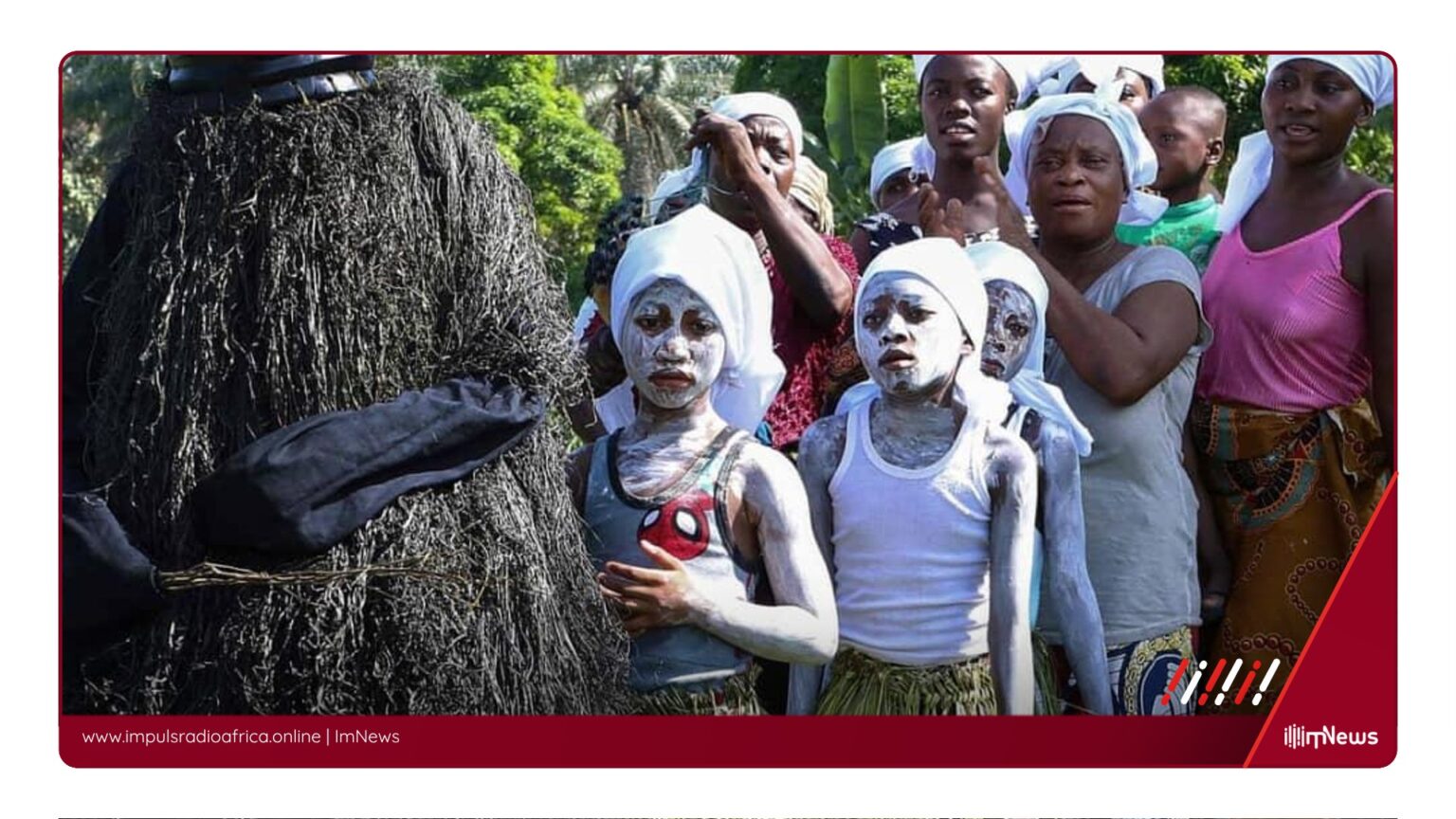
FREETOWN, Sierra Leone — In a significant development within the contentious debate over Female Genital Mutilation (FGM), Sierra Leone’s Minister of Gender and Children’s Affairs, Dr. Isata Mahoi, has proposed a middle path.
The proposal recommends safeguarding girls under the age of 18 from FGM, while respecting the autonomy of adult women to make their own decisions regarding the practice.
The proposal has reignited a national conversation that encompasses various facets of Sierra Leonean society, including culture, politics, health, religion, identity, and the essence of consent. It reflects a shift towards individual rights within a tradition that has long been intertwined with cultural identity and social cohesion in the country. Advocates like Isatu Kamara, a 59-year-old survivor of FGM, are now part of the discourse.
Kamara, who was initiated into the Bondo society at the age of 11, expressed a desire for the right to choose her own path. “I wish I had been given the right to decide for myself, “she. “If I had that choice, I don’t think I would have gone into Bondo. “.
Dr. Mahoi’s stance is not without its challenges. She acknowledges the link between FGM and broader issues such as early marriage and teenage pregnancy, which are deeply rooted in Sierra Leonean society.
Her advocacy is also influenced by her personal experiences with early marriage. Despite the complexities, Dr. Mahoi’s proposal has faced criticism.
Some argue that the government is yielding to traditionalists who wish to preserve the status quo, while others contend that the proposal does not go far enough and that FGM should be banned outright.
The debate has underscored the growing voices of women and girls who are advocating for their rights and the need for change.
The next steps in this debate will be pivotal, potentially setting a precedent for how other African countries address FGM.
As the conversation continues, it is clear that the issue of FGM in Sierra Leone is far from resolved.
The voices of women and girls are becoming louder and more influential, demanding their rights and no longer willing to remain silent.
*Additional reporting by ImNews | Sources consulted: 5*
—
This original article was produced by the ImNews editorial team
Source: Panafricanvisions
Source: Pan African Visions