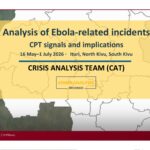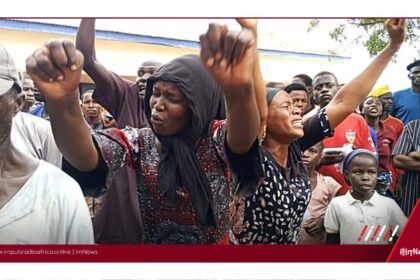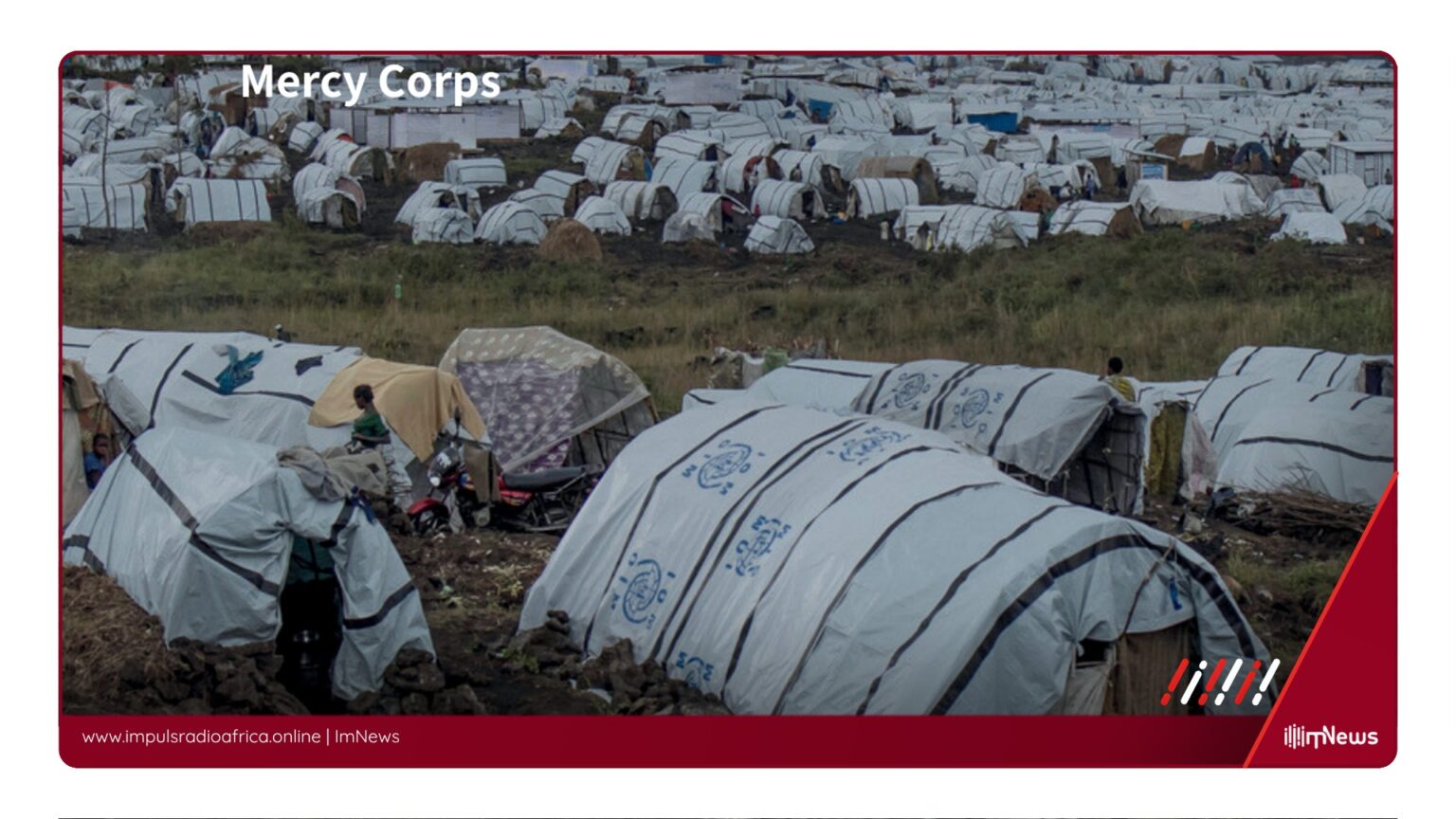
Kinshasa, DRC — In eastern Democratic Republic of the Congo (DRC), June 2026 marked a disturbing increase in internal displacements due to ongoing conflicts.
According to the latest figures, 46,475 new displacement households were recorded, with South Kivu and Maniema witnessing the largest movements. North Kivu, however, saw a 62% increase in new displacements, primarily in the territories of Masisi and Walikale.
The Internal Displacement Monitoring Centre (IDMC) provides data on new internal displacements caused by conflicts and disasters.
In June, the situation in North Kivu remained concerning, characterized by ongoing armed conflicts, civilian bombings, and forced displacements in several territories.
The DRC has been addressing chronic instability and fragility, with armed conflicts and displacement being prevalent issues.
The eastern provinces of South Kivu, North Kivu, and Ituri have been particularly affected by these challenges.
The UNHCR’s Global Trends report highlights the global perspective on forced displacement, including statistics on refugees, asylum-seekers, internally displaced persons, and stateless people. Reliefweb.
Int reports also emphasize the specific situation in North Kivu, noting the ongoing armed conflicts, civilian bombings, and the impact on internally displaced persons (IDPs).
The IDMC’s Internal Displacements Updates (IDU) dataset offers a detailed look at the flows of new displacements in the DRC.
In June, the largest movements were recorded in South Kivu and Maniema, while North Kivu experienced a significant increase in displacement, primarily in Masisi and Walikale.
In Ituri, 4,450 newly displaced households were recorded alongside the return of 6,916 households to Djugu.
The DRC’s displacement crisis remains one of the world’s most complex. Decades of conflict, political instability, economic hardship, recurrent epidemics, and extreme weather events have forced many away from their homes, eroding livelihoods and increasing humanitarian needs.
The situation in North Kivu has raised concerns regarding the stability of the region.
The increase in displacements indicates a concerning escalation in the ongoing conflict, with civilians bearing the brunt of the violence. This situation underscores the need for a coordinated response from the international community to address the root causes of the conflict and alleviate the suffering of affected populations.
As the DRC continues to grapple with displacement and conflict, it is crucial for humanitarian organizations and governments to prioritize the protection and well — being of internally displaced persons. Access to basic services, including healthcare, education, and shelter, remains a critical concern. International cooperation and support are essential in addressing the complex challenges faced by the DRC and its affected populations.
Looking ahead, the focus must be on promoting peace, stability, and development in the region. This includes addressing the root causes of conflict, strengthening governance structures, and supporting community-based initiatives. By working together, the international community can contribute to the long-term stability and well-being of the DRC’s people.
*Additional reporting by ImNews | Sources consulted: 5*
—
This original article was produced by the ImNews editorial team
Source: reliefweb
Source: Mercy Corps