Ebola Outbreak in DR Congo Exceeds 1,000 Cases, Spreads Wider Than Initially Reported KINSHASA, Democratic Republic of Congo – As of June 2026, the Ebola outbreak in the Democratic Republic of Congo (DRC) has surged past 1,000 confirmed cases, with 254 fatalities reported. Health officials are increasingly concerned that the actual number of infections could be significantly higher than the current figures suggest.
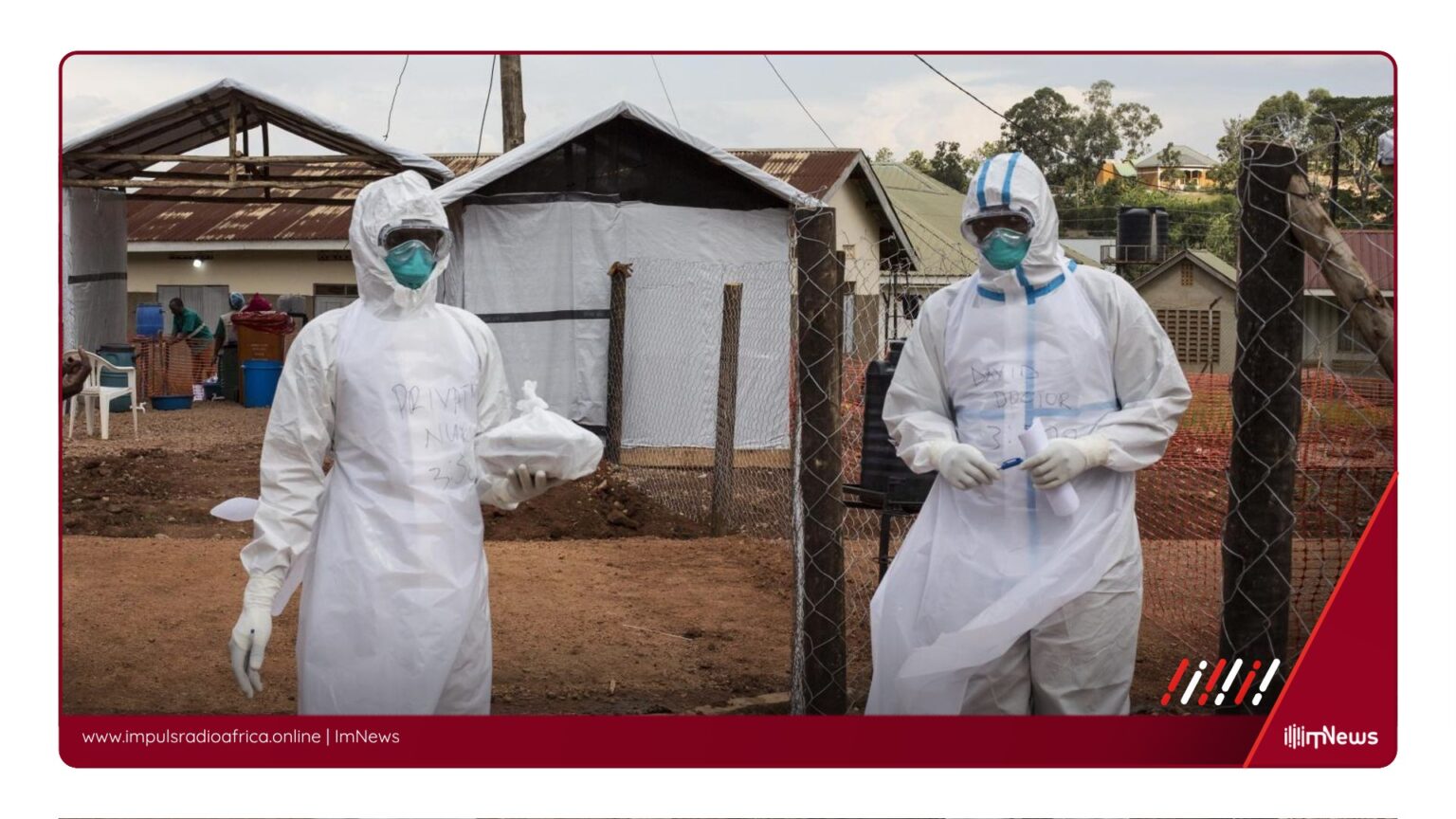
The outbreak, which is primarily driven by the Bundibugyo strain of the virus, poses a significant challenge due to the absence of a licensed vaccine or specific treatment for this particular strain.
The situation is further exacerbated by the ongoing conflict, mass displacement, and weak healthcare infrastructure in the eastern regions of Congo. Efforts to trace potential contacts and contain the virus have been impeded by insecurity in some affected communities, limiting access for health workers.
The outbreak has spread across multiple provinces, including Ituri, North Kivu, and South Kivu.
The World Health Organization (WHO) has described the situation as rapidly evolving, with sustained transmission and growing risks of further spread within the region. Uganda has already reported cases linked to the Congolese outbreak, highlighting the potential for wider regional transmission.
The DRC plays a crucial role in the global economy as the world’s leading producer of cobalt and one of Africa’s largest copper producers. These minerals are essential for electric vehicle batteries, renewable energy infrastructure, and advanced technologies. Any prolonged disruption in eastern Congo can have far-reaching consequences.
The Africa Centres for Disease Control and Prevention has warned that the outbreak could become one of the most severe Ebola emergencies in modern history if transmission is not brought under control quickly.
The WHO has declared the risk within the DRC as “very high” and is calling for international coordination and cooperation to address the crisis.
The international community has responded with support, including emergency funding from the U. S. Centers for Disease Control and Prevention.
Aid agencies on the ground are facing mounting challenges, particularly in displaced persons camps where the virus is spreading rapidly.
The DRC’s health ministry and the WHO are working tirelessly to contain the outbreak, implementing measures such as contact tracing, surveillance, and community engagement.
However, the scale of the outbreak and the challenges posed by the region’s complex security situation have made it a formidable task.
The next few weeks and months will be critical in determining the outcome of this outbreak.
*Additional reporting by ImNews | Sources consulted: 5*
—
This original article was produced by the ImNews editorial team
Source: Africa.businessinsider
Source: Ayodeji Adegboyega