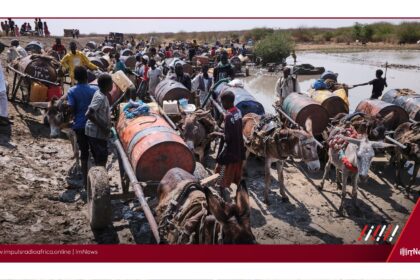


Kinshasa, DRC — A harrowing Ebola outbreak that began in the Ituri Province of the Democratic Republic of the Congo (DRC) on May 14, 2026, has reached unprecedented levels of severity, with confirmed cases soaring to 5,535, recoveries at 1,219, and a grim death toll of 2,644, according to the latest data.
The Bundibugyo virus (BDBV) responsible for the epidemic is exacerbating the situation, as existing treatments are ineffective against this specific strain. This outbreak is not only the fastest-growing Ebola epidemic on record but also poses the threat of becoming the worst in history, surpassing the 2014-2016 West Africa Ebola outbreak, which claimed over 11,000 lives.
The current fatality rate is a concerning 47. 8%.
The DRC’s complex political landscape, combined with challenging geographical and infrastructural conditions, has made it difficult to contain the outbreak effectively.
Rebel conflicts, poor road conditions, and work stoppages have further complicated the situation, hindering health authorities’efforts to reach remote areas and provide essential care.
The Washington Post has highlighted the severity of the outbreak, emphasizing its rapid growth and the potential for it to surpass the previous record.
The Associated Press has reported on the struggle of health authorities to reach remote areas due to the aforementioned challenges.
MSN. Com has noted the lack of funding and pervasive misinformation as significant obstacles in the response to the outbreak.
The World Health Organization (WHO) declared the outbreak a public health emergency of international concern on May 16, 2026.
The International Organization for Migration (IOM) is actively involved in the response, focusing on border management and cross-border health services to prevent the spread of the virus across national borders. Efforts to combat the outbreak are ongoing, with the WHO announcing the launch of a new vaccine trial specifically designed for the Bundibugyo species of Ebola.
The trial, which began in the UK and Canada, aims to provide a potential solution to the lack of treatment options for this strain of the virus.
The situation in the DRC remains critical, with the need for a coordinated and robust response from the international community to contain the outbreak and save lives.
The struggle against the fastest — growing Ebola epidemic on record highlights the challenges of responding to such complex health crises in regions with limited resources and infrastructure.
As the outbreak continues to unfold, the global community watches with bated breath, hoping for a swift and effective response to avert a potential humanitarian disaster.
*Additional reporting by ImNews | Sources consulted: 5*
—
This original article was produced by the ImNews editorial team
Source: Google News v2