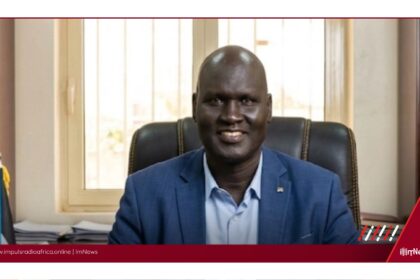
[Kigali, Rwanda — 2026-04-19] In a groundbreaking development, the Democratic Republic of Congo (DRC) government and the M23 rebel group have inked a historic protocol aimed at enhancing humanitarian access in the conflict-affected eastern regions of the country.
The agreement, reached following intensive negotiations in Switzerland, is a pivotal step towards easing the plight of millions of Congolese affected by the ongoing conflict.
The five — day mediation process involved international mediators from Qatar, the United States, Togo, and the African Union, all contributing to the framework peace deal signed in Doha in November.
The joint statement issued on Saturday outlines the commitment to facilitate the safe passage of humanitarian personnel and aid convoys, as well as to protect civilian populations and infrastructure.
The protocol also includes the release of prisoners as a confidence — building measure, with the DRC government agreeing to release 166 detainees and the M23 311, within a 10-day period. Moreover, both parties have agreed to establish a joint ceasefire monitoring mechanism, with the first on-the-ground monitoring missions anticipated within a week, supported by MONUSCO. This agreement is not just a beacon of hope but also a critical response to the dire humanitarian situation in the region.
With an estimated 15 million people in need of assistance, and over 5. 8 million internally displaced, the implementation of this protocol is a matter of life and death. While the agreement is a significant milestone, it is not without its challenges.
The fragile security situation and the potential for ceasefire violations remain concerns.
The international community’s role in supporting the implementation of the agreement is paramount, particularly in ensuring the safety of aid workers and maintaining a sustained ceasefire.
As the DRC and its international partners move forward with this historic initiative, the world watches with bated breath to see if this agreement can translate into tangible improvements for the millions affected by the conflict in eastern Congo.
The success of this protocol could set a precedent for future peace and humanitarian efforts in the region.
*Additional reporting by ImNews | Sources consulted: 5*
—
By This original article was produced by the ImNews editorial team
Source: Africanews
Source: Rédaction Africanews