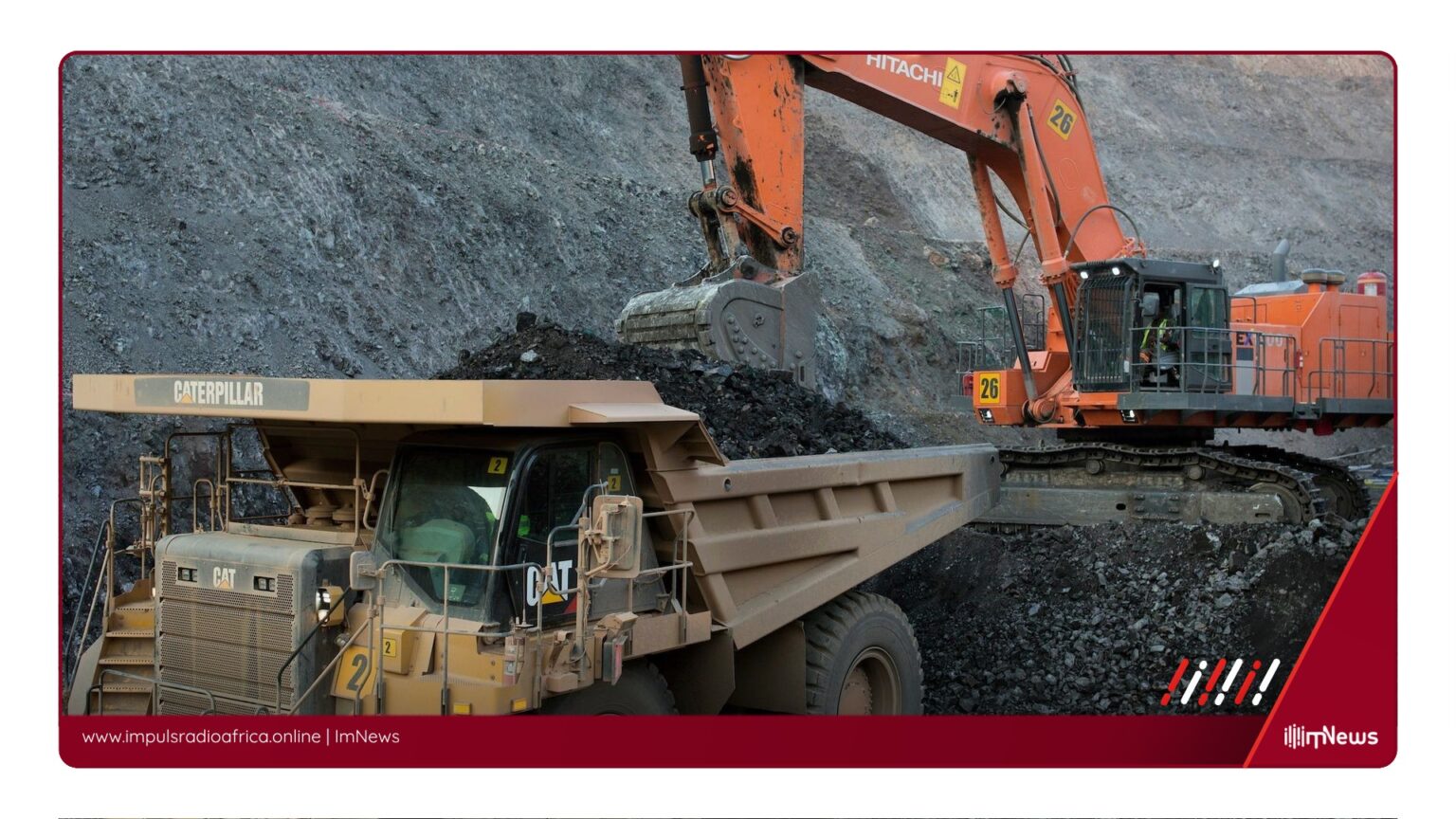
Kinshasa, DRC — The Democratic Republic of Congo (DRC), a key player in the global cobalt supply chain, is undergoing a significant overhaul of its mining rules, which could have profound implications for the global battery market.
The proposed changes, which include the potential seizure of unused cobalt export rights from mining companies and the establishment of state — controlled strategic stockpiles, have caused concern among major industry players such as Glencore and China’s CMOC. These companies are particularly wary of the potential disruption to their supply chains and global battery production.
The DRC is the world’s largest producer of cobalt, accounting for about 70% of global supply. Its strategic position in the electric vehicle (EV) industry is well-recognized, and the government aims to leverage its control over cobalt to bolster the country’s economic interests.
The mining sector in the DRC has faced criticism for labor rights abuses and environmental degradation.
The new regulations are intended to address these concerns by requiring mining companies to use their allocated cobalt export rights or face the possibility of having them seized by the government. Industry giants have expressed concerns about losing export quotas due to administrative failures and the new export quota rules, which could disrupt their supply chains and affect global battery production. They have also raised questions about the potential impact on the global supply chain and their investments.
The DRC government’s decision to tighten its grip on cobalt exports has sparked discussions about the broader implications for the global battery market.
As demand for cobalt surges with the increased production of EVs, any disruption in the supply chain could have far — reaching effects on the automotive and renewable energy sectors. Despite the concerns, the DRC government remains confident that the new rules will benefit the country and its people.
As the debate over the new cobalt mining rules continues, the world watches to see how these changes will affect the availability and cost of cobalt, a critical component in the transition to a greener, more sustainable future.
*Additional reporting by ImNews | Sources consulted: 5*
—
This original article was produced by the ImNews editorial team
Source: Africa.businessinsider
Source: Chinedu Okafor