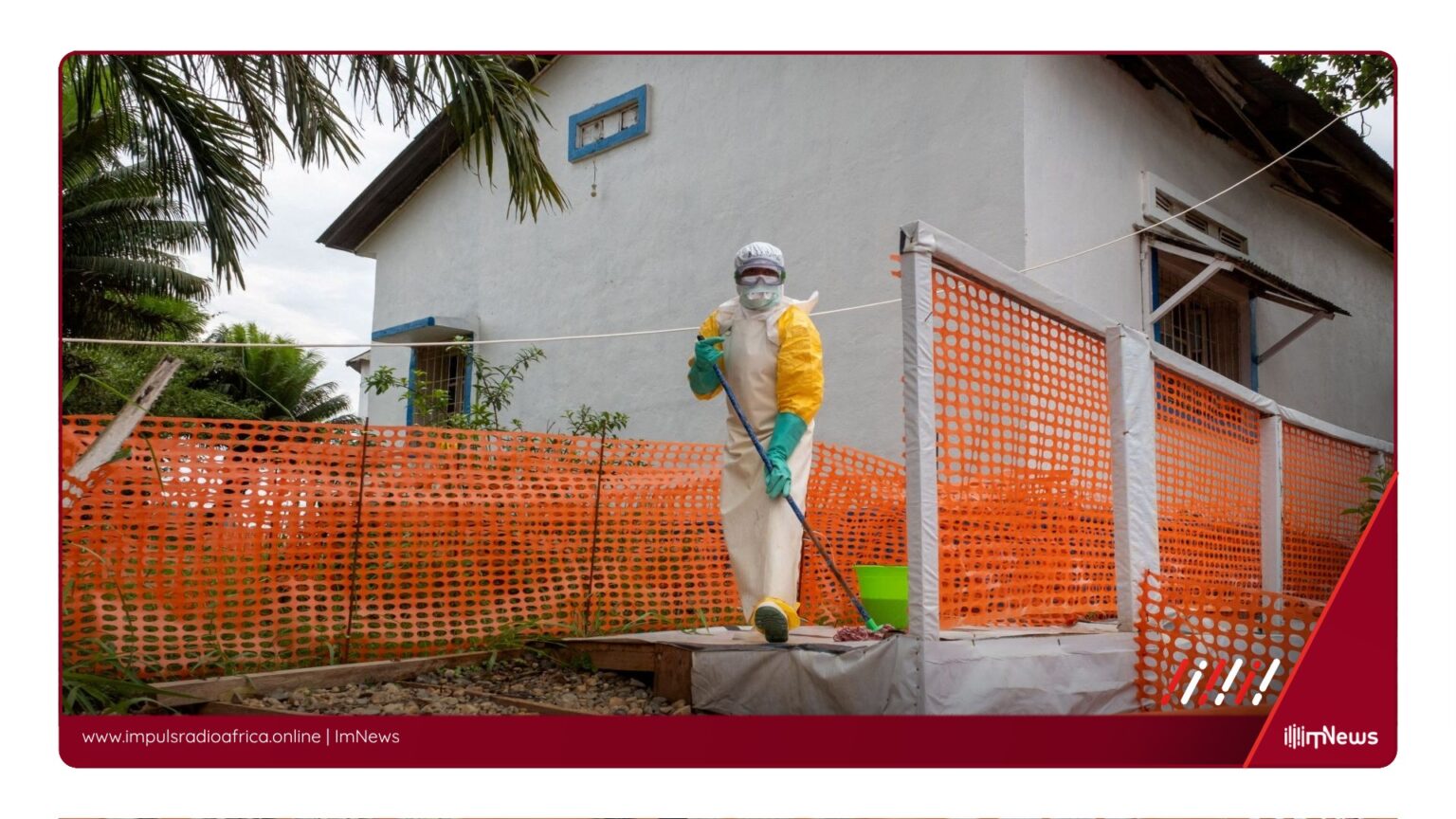
In the Democratic Republic of Congo (DRC), the Ebola outbreak has intensified dramatically, with the death toll surpassing 1,300, according to government figures.
The number of confirmed cases has climbed to 2,973, marking a 27 percent increase from the figure reported last Saturday. This rapid surge in cases has made the DRC epidemic the fastest-spreading Ebola outbreak ever documented.
The virus responsible for the outbreak is the Bundibugyo variant, which currently has no approved vaccines or treatments. Public health consultant Abdsalami Nasidi has described the situation as dire, comparing the lack of a proven vaccine to a “wildfire “spreading across the region.
The epidemic is unfolding in an area of active hostilities, which has further complicated response efforts and exacerbated the shortage of public health resources.
The World Health Organization (WHO) has warned that the majority of new cases are coming from unknown chains of transmission, indicating a potential for the virus to spread even further.
The WHO’s Executive Director of Health Emergencies Programme, Dr. Chikwe Ihekweazu, highlighted the alarming finding that many of the newly reported deaths are people who died in their communities without ever reaching a health facility or receiving care. This underscores the urgency of reaching those affected in remote areas and ensuring access to healthcare services.
In an effort to combat the outbreak, scientists are racing to find a way to slow the epidemic.
The University of Oxford’s Oxford Vaccine Group announced that a volunteer had received the first dose of a rapidly developed experimental vaccine on July 22, marking an important milestone in the development of a Bundibugyo ebolavirus vaccine.
The current outbreak is the third — largest ever recorded, with the virus spreading beyond the original outbreak area in Ituri Province.
The rapid growth of the outbreak has raised concerns about its potential to affect neighboring countries and regions.
As the situation continues to evolve, the international community is closely monitoring the outbreak and providing support to the DRC government and health authorities.
The WHO has convened expert groups to advise on candidate treatments and vaccines for the Bundibugyo Ebola virus disease (BVD).
The ongoing efforts to contain the outbreak and develop a vaccine highlight the importance of international collaboration in responding to infectious disease emergencies.
The situation in the DRC serves as a stark reminder of the challenges faced in combating highly infectious diseases and the need for ongoing research and preparedness.
*Additional reporting by ImNews | Sources consulted: 5*
—
This original article was produced by the ImNews editorial team
Source: aljazeera
Source: Faisal Ali and AP