Ebola Outbreak in DRC and Uganda: Frontline Health Workers Face Risk and Stigma ### DATILINE: Khartoum, Sudan – #### LEDE: The Ebola outbreak in the Democratic Republic of the Congo (DRC) and Uganda continues to escalate, with healthcare workers on the front lines facing not only the risk of infection but also community stigma, according to recent reports from the World Health Organization (WHO) and Africanews. Com. #### NUT GRAF: As of June 2026, the Ebola outbreak has caused significant concern with over 600 confirmed cases and over 100 deaths in DRC alone.
The situation is further complicated by the lack of personal protective equipment (PPE) and testing kits, which has left healthcare workers in dire straits, according to the International Council of Nurses (ICN). #### BODY: Khartoum, Sudan – The Ebola virus, which first surfaced in the DRC in 1976, has once again claimed the attention of global health authorities.
The current outbreak, caused by the Bundibugyo virus, has been declared a Public Health Emergency of International Concern (PHEIC) by the WHO, signifying the severity and urgency of the situation.
In the DRC, the situation is particularly dire, with Ituri Province being the epicenter of the outbreak.
According to the WHO, as of May 2026, there were eight laboratory-confirmed cases, 246 suspected cases, and 80 suspected deaths reported in the region. Officials commented on the matter.
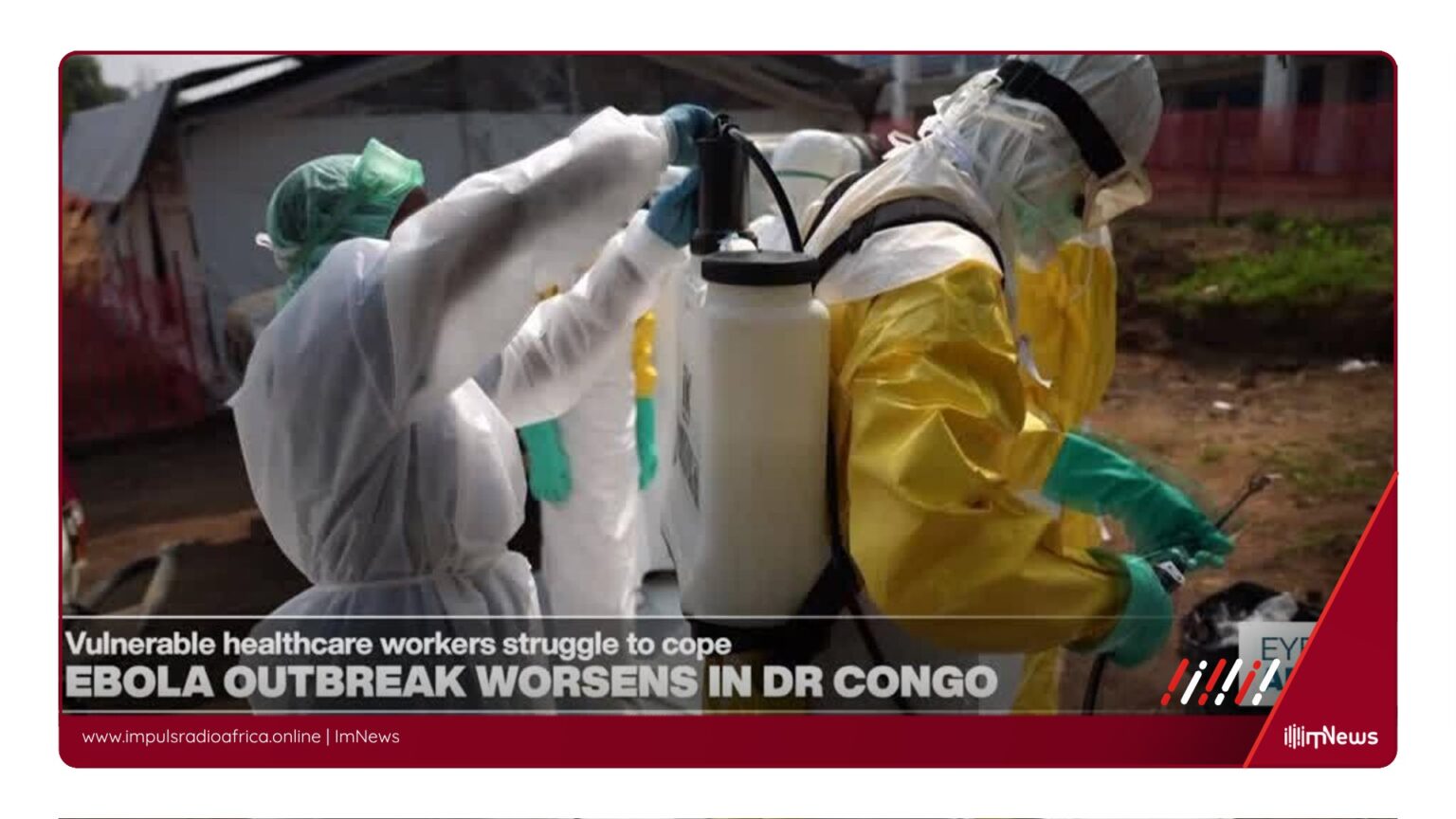
Healthcare workers, who are the backbone of any outbreak response, are not only exposed to the virus but also face discrimination and stigma from their communities. Africanews.
Com reported that healthcare workers like Dr.
Jemima Mugisa, who has been working at the Ebola treatment center, are dealing with fear and rejection. Despite the risks, Mugisa and her colleagues continue to provide essential care, despite the challenges they face.
The WHO’s determination that the Ebola disease in the DRC and Uganda constitutes a PHEIC highlights the global concern surrounding the outbreak.
However, it does not meet the criteria of a pandemic emergency, as defined by the International Health Regulations (IHR), suggesting that while the situation is severe, it is not yet a pandemic.
The response to the outbreak is complex and multifaceted, involving not just the provision of medical care but also addressing the social and psychological challenges faced by healthcare workers.
The acceleration of the outbreak, as reported by the WHO, underscores the urgency of effective response measures, including the distribution of PPE and testing kits, as well as the need for community engagement and education.
The Ebola outbreak in the DRC and Uganda is a stark reminder of the challenges faced by healthcare workers in the fight against infectious diseases.
As the situation evolves, it is crucial that the world’s attention remains focused on the plight of those on the front lines, who are risking their lives to save others. #### KICKER: As the Ebola outbreak in the DRC and Uganda continues to unfold, the global community must remain vigilant and supportive of the efforts to contain the virus.
The situation calls for a coordinated and comprehensive response, addressing both the medical and social aspects of the crisis.
*Additional reporting by ImNews | Sources consulted: 5*
—
This original article was produced by the ImNews editorial team
Source: france24 – Africa
Source: Vedika BAHL