Kinshasa, DRC — The Democratic Republic of Congo (DRC) is addressing an Ebola epidemic that has severely impacted the education sector, particularly in the Ituri Province.
As the academic year commences under the shadow of this health crisis, schools are facing unprecedented challenges, including potential closures and disruptions in learning.
The Ebola outbreak, which began on May 15, 2026, has resulted in a sharp increase in confirmed and suspected cases. This surge has raised alarms regarding the region’s already fragile educational infrastructure.
In the Shari — Rwampara axis, the impact has been惨痛, with at least 9 students and 12 parents succumbing to the virus, while others continue to attend school during the illness phase, heightening the risk of transmission.
The 2025 Humanitarian Action Plan had identified considerable damage to the DRC’s education sector in 2024, primarily due to armed conflicts and natural disasters. Over 1. 9 million children were identified as needing urgent education, and 1,593 schools were closed, 62% of which were attributed to armed conflicts.
The Ebola crisis has only exacerbated these challenges. Prior to the Ebola outbreak, the DRC’s education system was under significant pressure, with 3. 9 million children (46% girls) requiring urgent education.
The situation in the Ituri Province was particularly critical, with 482 schools affected.
The national development plan for 2022-2026 aims to address economic, social, infrastructure, and environmental issues but the current health emergency underscores the necessity for a more integrated approach.
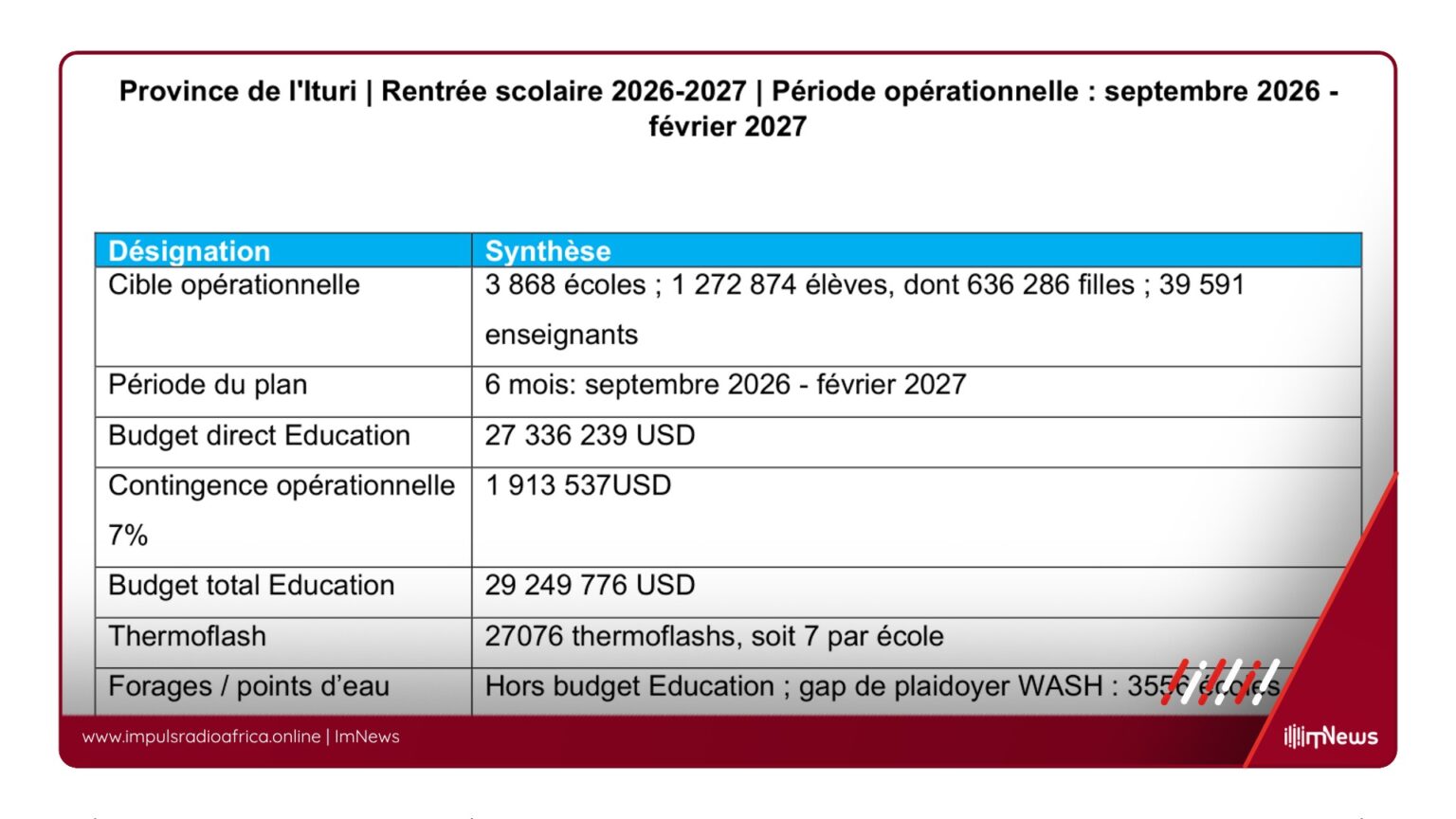
In response to the crisis, the education sector in the Ituri Province has developed a comprehensive plan to address the Ebola epidemic. This plan involves preventive measures such as providing protective equipment, enforcing hygiene protocols, and offering psychosocial support to students and teachers.
However, the implementation of the plan faces numerous hurdles.
The DRC’s education system is already understaffed and underfunded, and the Ebola outbreak has placed further strain on resources. Adhering to strict health protocols in schools has also led to a decline in attendance, further disrupting the educational process.
The interconnectedness of health and education in the Ituri Province is a stark reminder that overcoming the Ebola crisis requires a coordinated effort from government agencies, international organizations, and local communities. Only a holistic approach can ensure that children affected by the Ebola outbreak can continue their education safely and effectively.
As the Ebola outbreak continues to unfold, maintaining a focus on the education sector is vital for the DRC’s long-term resilience and sustainability. Investment in both education and health systems is essential to build a more secure future for the nation’s youth.
*Additional reporting by ImNews | Sources consulted: 5*
—
This original article was produced by the ImNews editorial team
Source: reliefweb
Source: Education Cluster