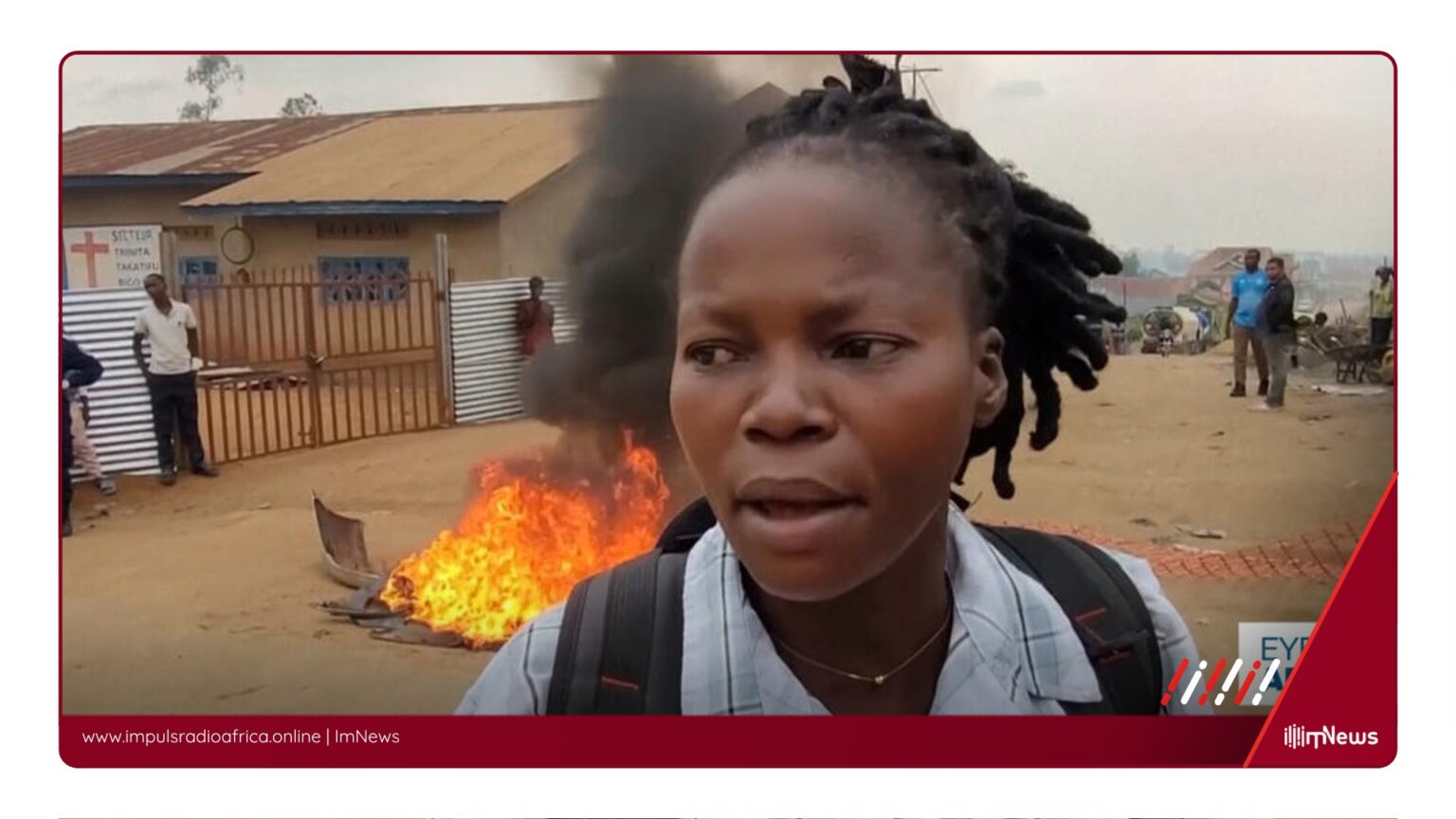
The strike, which began this week, is centered in Bunia, the capital of Ituri Province, and the neighboring town of Rwampara, and has directly compromised the continuity of essential health services.
The strike follows the declaration of the Ebola outbreak on May 15, 2026.
As of the latest government data, the outbreak has infected 1,759 people and killed at least 600, with the World Health Organization (WHO) warning that the virus is spreading at a faster pace than any previous outbreak.
Workers at the Ebola treatment center in Rwampara burned tires in protest and blocked access to the center, stating that they have been treating Ebola patients without pay since May 15. Health Minister Samuel Roger Kamba acknowledged ‘delays in payment’and gave assurances that the ‘organisational issue’would be resolved.
The WHO warned that the scale of the outbreak could be two to four times the official estimates, indicating a significant underreporting of cases.
This underreporting, combined with the strike by health workers, poses a serious threat to the effectiveness of the response efforts.
The strike has sparked concerns among local and international health experts, who fear that the disruption of health services could lead to a rapid spread of the virus. Dr.
Pascal Bahoya, a doctor at the Rwampara Ebola treatment center, told AFP that the workers are working under very difficult conditions and that the non — payment of benefits exposes them and their families to significant socio-economic difficulties.
The DRC’s healthcare system has long been underfunded and overwhelmed, which can exacerbate the impact of such outbreaks.
The current strike is a stark reminder of the challenges faced by healthcare workers in resource — constrained environments and the critical role they play in responding to health emergencies.
KICKER: The situation in the DRC serves as a critical reminder of the importance of ensuring that healthcare workers are properly compensated and supported during public health emergencies.
As the Ebola outbreak continues to unfold, the international community must work together to provide the necessary resources and support to the DRC and other affected countries to ensure that the response efforts are effective and that the health and safety of the population are protected.
*Additional reporting by ImNews | Sources consulted: 5*
—
This original article was produced by the ImNews editorial team
Source: france24 – Africa
Source: FRANCE24