
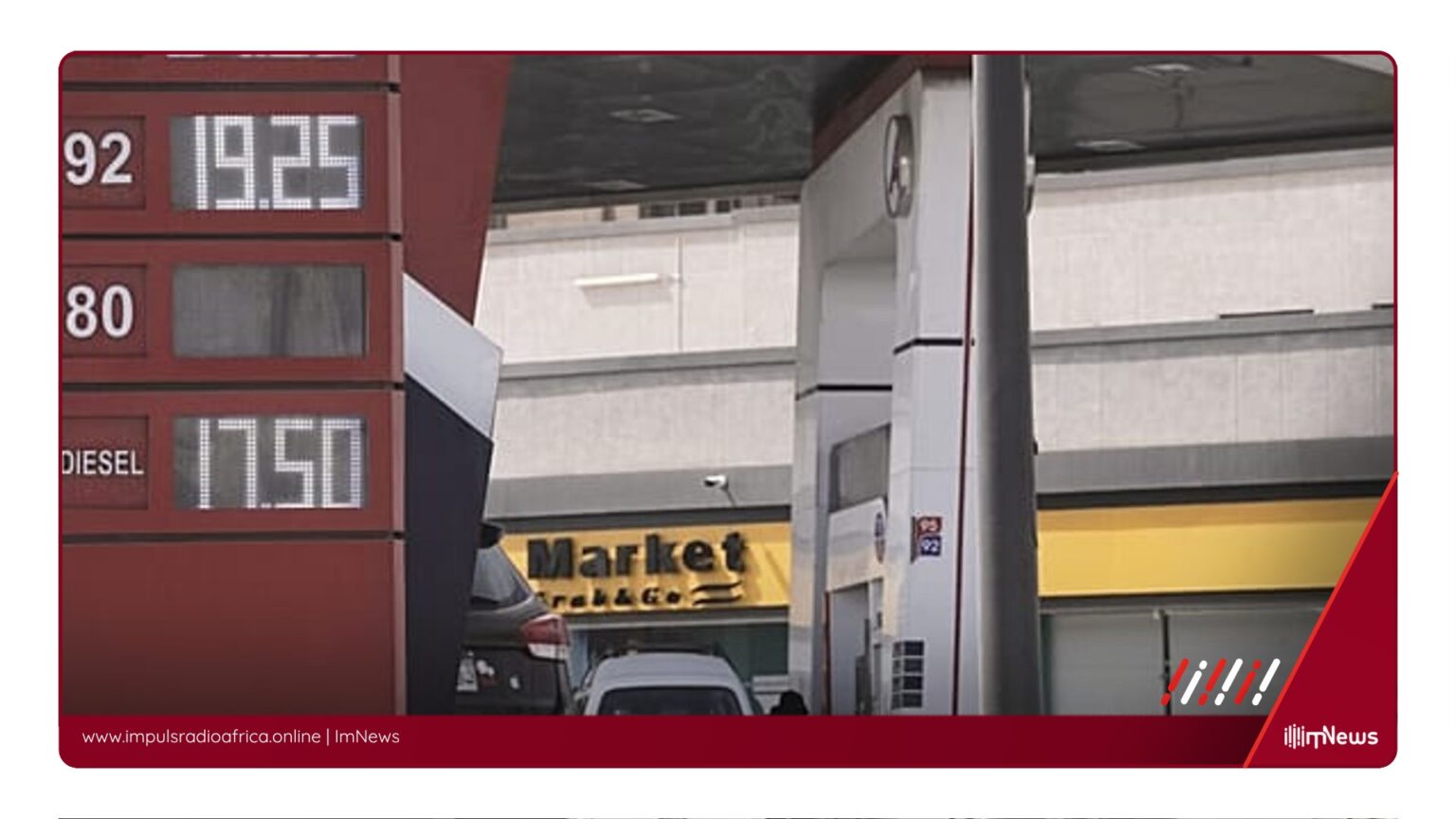
The implementation of a government — imposed curfew in Egypt has sparked widespread concern among business owners and the tourism sector. Prime Minister Mostafa Madbouly announced the curfew, which requires shops, restaurants, and malls to close by 9:00 pm on weekdays and 10:00 pm on weekends. The measure, initially set for one month, is aimed at reducing the soaring energy costs associated with regional instability. However, the decision has been met with resistance from traders, particularly those in areas heavily reliant on evening tourism.
Ahmed Ali, a bazaar owner in Cairo, expressed his frustration, stating, “This decision will affect my business, everything — employees, salaries. It’s almost 8 pm now, and tourists are still arriving. How can you expect me to close at nine?
Will the tourists be able to leave in just one hour? It’s unreasonable. We need the closure extended by one or two hours at least.”.
Business owners warn that the impact of the curfew will extend beyond their immediate sectors, affecting retail, hospitality, and other areas. Remon Wagieh, a jewelry shop owner, echoed these concerns, saying, “The decision will affect all sectors in the country, whether it’s jewelry, tourism, restaurants, or any other area. Everyone will be affected.
Here, tourists only go out in the evening. In other countries, tourists don’t go out at night, but in Egypt, they might stay out until morning.”The government justifies the move by citing the surge in fuel costs due to disruptions linked to regional conflict, which has driven up import prices and strained national finances.
While officials maintain that key tourist destinations will remain unaffected, many local businesses fear the restrictions could dampen nightlife and reduce spending, particularly in a country where evening activity is central to both commerce and tourism.
Source: [primary source]