
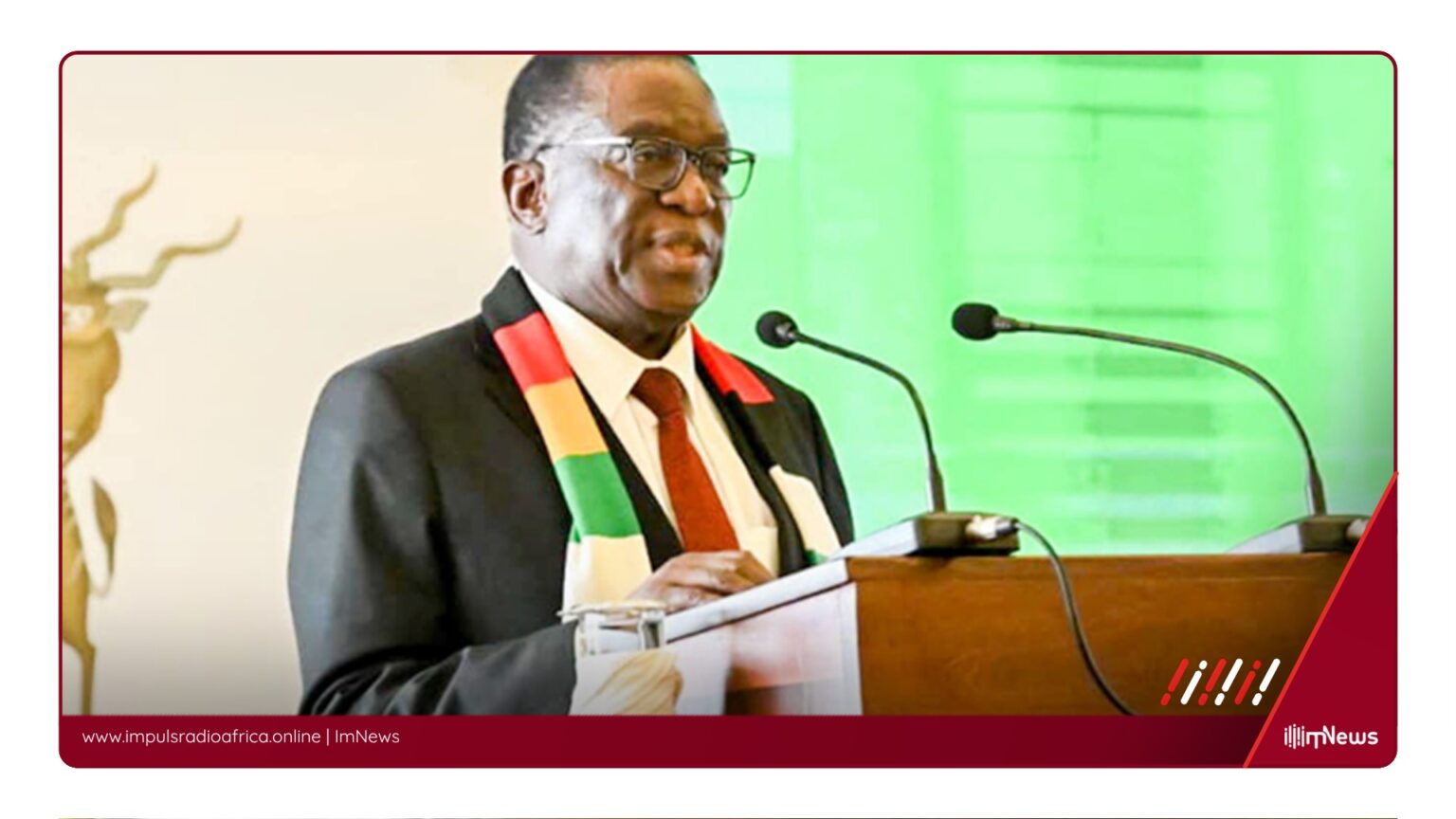
Harare, Zimbabwe — President Emmerson Mnangagwa has signed into law a constitutional amendment that extends presidential terms from five to seven years, a move that has sparked controversy and a stark reversal of his earlier pledge to step down in 2028.
The amendment, known as Constitutional Amendment Act No. 3, also eliminates direct presidential elections, with Members of Parliament (MPs) now tasked with selecting the president. Mnangagwa, who had previously vowed to step down after his second term, defended the amendment as a “collective decision “and not reflective of his personal ambition.
However, critics argue that the changes, which have been met with resistance from opposition parties, constitutional lawyers, civil society organizations, and liberation war veterans, should have been subject to a national referendum.
The amendment, signed on July 7, 2026, extends Mnangagwa’s current term by two years to 2030 while maintaining the two-term presidential limit. Despite this, critics claim that the reforms are designed to serve the sitting president, contravening the spirit of term limits.
The amendment follows a period of political turbulence in Zimbabwe, including the 2017 military coup that led to the removal of long-time leader Robert Mugabe. Mnangagwa, who became president in 2018, has been a subject of scrutiny, with his 2023 election results being contested. Legal challenges are anticipated, with constitutional experts arguing that a referendum is necessary for changing term limits and that such amendments cannot benefit a sitting president.
The international community’s response to these changes is yet to be determined, and the implications for Zimbabwe’s democracy and political stability are under close observation.
*Additional reporting by ImNews | Sources consulted: 5*
—
This original article was produced by the ImNews editorial team
Source: Africa.businessinsider
Source: Ayodeji Adegboyega