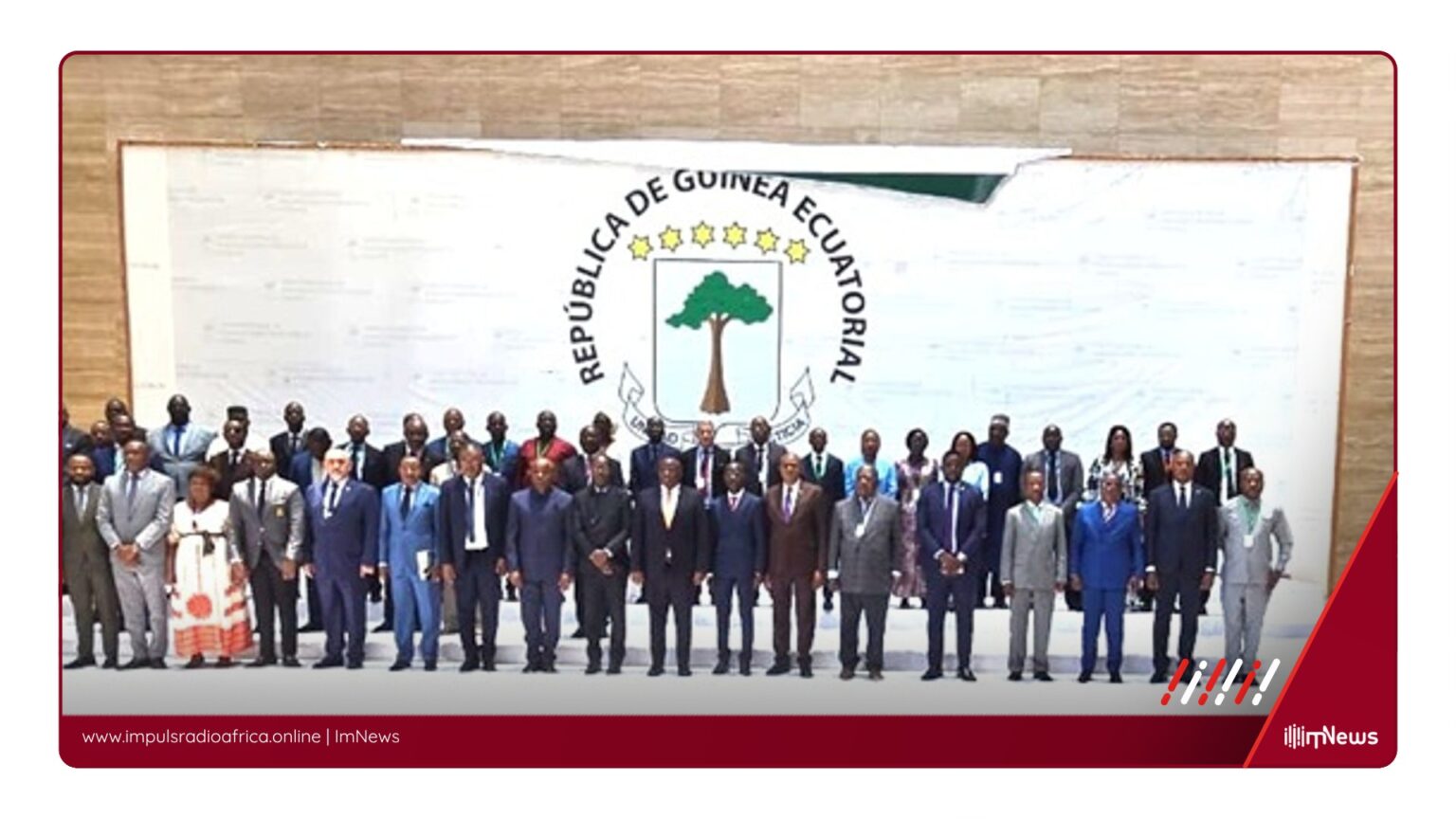
Malabo, Equatorial Guinea — 2026-06-17 Equatorial Guinea’s President Teodoro Obiang Nguema Mbasogo, the world’s longest-serving head of state, has initiated a cabinet reshuffle in response to the government’s failure to meet its economic and infrastructure targets, achieving only 10% of its goals.
The reshuffle, which saw the entire cabinet resign, is a significant move for the oil — rich nation, as it grapples with the challenges of economic diversification and development in the wake of dwindling oil revenues. It also underscores the continued influence of President Obiang, who has been in power since 1979, despite the nation’s struggling economic performance.
The cabinet’s resignation comes as Equatorial Guinea seeks to revive lagging development projects and address the economic stagnation that has plagued the country for years. President Obiang’s decision to reshuffle the cabinet is being seen as a response to the government’s lackluster performance, which has raised concerns both domestically and internationally.
According to sources close to the government, the cabinet achieved only 10% of the economic and infrastructure targets set for the period. This failure has led to widespread criticism, and the reshuffle is being seen as an attempt to rejuvenate the government’s efforts to diversify the economy and create jobs.
The ruling party has described the reshuffle as a routine institutional restructuring to address the country’s updated priorities. State media has reported that the reshuffle is in line with the government’s commitment to improving the nation’s economic prospects.
As the world’s longest-serving head of state, President Obiang’s decision to reshuffle the cabinet is a clear indication of his continued influence over the nation’s political and economic landscape. Despite the reshuffle, the long-term implications for Equatorial Guinea’s economy remain uncertain.
The country has historically relied on oil revenues, which have been in decline, making economic diversification a pressing issue.
The government’s failure to meet its economic targets has raised questions about its ability to manage the country’s resources effectively and to implement policies that promote sustainable development.
As the reshuffle unfolds, observers will be watching closely to see how the new cabinet addresses the nation’s economic challenges.
The outcome could have significant implications not only for Equatorial Guinea’s economic future but also for the stability and governance of the region.
*Additional reporting by ImNews | Sources consulted: 5*
—
This original article was produced by the ImNews editorial team
Source: Africa.businessinsider
Source: Solomon Ekanem