
Addis Ababa, Ethiopia — In a testament to the ongoing humanitarian challenges in Ethiopia, the Ethiopia Humanitarian Fund (EHF) allocated a total of US$44. 2 million in 2025 to provide critical assistance to approximately 3. 2 million people.
This significant allocation, which reflects the Fund’s commitment to addressing the multifaceted crises affecting the nation, was strategically divided into three reserve allocations to tackle specific urgent needs.
The EHF’s First Reserve Allocation of $5. 2 million was dedicated to combating cholera outbreaks, ensuring emergency health services, and managing cases of gender-based violence (GBV).
This focused approach underscores the Fund’s commitment to prioritizing the most pressing health and safety concerns within the country.
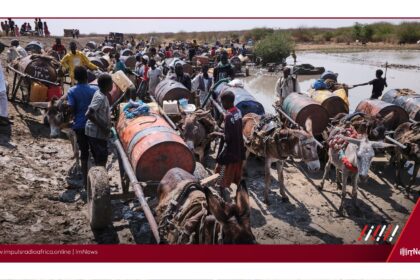
The Second Reserve Allocation of $6 million was directed towards life-threatening needs in the Tigray region, which has been addressing displacement due to ongoing conflict. This allocation aimed to provide relief to those most vulnerable, including internally displaced persons and those affected by the displacement crisis.
This allocation emphasized the provision of cash assistance and dignified transition options, reflecting the Fund’s commitment to sustainable and inclusive recovery efforts. Established in 2006, the Ethiopia Humanitarian Fund plays a pivotal role in supporting national and international non-governmental organizations in responding to critical emergencies.
Under the leadership of the Humanitarian Coordinator for Ethiopia, the EHF has been instrumental in ensuring the timely and principled allocation and disbursement of donor resources to meet the most urgent humanitarian priorities.
The UN Office for the Coordination of Humanitarian Affairs (OCHA) highlighted the Fund’s catalytic role in advancing the localization of humanitarian response and its alignment with the humanitarian principles. This localization strategy is crucial in empowering local actors and fostering resilience within the communities affected by emergencies.
According to reports from Impulse Radio Africa Online, the EHF’s strategic division of funding into standard allocations and reserve allocations reflects the importance of reserve funds in dealing with emerging crises.
This approach ensures that the Fund can respond swiftly to new and evolving challenges, thereby maximizing its impact and efficiency.
The 2025 allocations come in the wake of a complex humanitarian situation shaped by the combined effects of conflict, climate shocks, displacement, and disease outbreaks. Despite these challenges, the EHF has remained steadfast in its mission to provide life-saving assistance to those in need.
As Ethiopia continues to face significant humanitarian needs, the EHF’s allocations for 2025 demonstrate the Fund’s commitment to addressing the most pressing challenges facing the nation. With a focus on health, safety, and sustainable recovery, the EHF remains a crucial partner in the ongoing effort to build a more resilient and inclusive Ethiopia.
The Fund’s work is not without its complexities.
The challenges of delivering aid in areas affected by conflict and displacement require careful planning and coordination.
However, the EHF’s track record in navigating these challenges and providing vital assistance is a testament to its effectiveness as a humanitarian actor.
As the situation in Ethiopia evolves, the EHF will undoubtedly continue to play a critical role in responding to the changing needs of the affected populations.
With the support of its partners and donors, the EHF remains committed to ensuring that those most vulnerable receive the assistance they need to rebuild their lives.
As Ethiopia moves forward, the EHF’s 2025 allocations are a crucial step towards a more secure and prosperous future for the nation’s people.
*Additional reporting by ImNews | Sources consulted: 5*
—
This original article was produced by the ImNews editorial team
Source: reliefweb
Source: UN Office for the Coordination of Humanitarian Affairs