
Ethiopia Logistics Cluster: Overcoming Challenges in Humanitarian Aid Delivery DATELINE: Addis Ababa, Ethiopia – LEAD: In the face of ongoing challenges such as access restrictions, damaged infrastructure, and transportation limitations, the Ethiopia Logistics Cluster has demonstrated resilience and efficiency in delivering humanitarian aid across the country. NUT GRAF: The Cluster, in collaboration with partners, has transported 731 cubic meters of humanitarian cargo to regions including Amhara, Tigray, and Oromia, while the World Food Programme (WFP) has reached 1. 8 million food insecure individuals with 10,700 metric tons of food and USD 4.
5 million in cash assistance. This underscores the critical role played by the Logistics Cluster and the WFP in ensuring the timely delivery of relief supplies to affected populations. Addis Ababa, Ethiopia – The Logistics Cluster, a key player in humanitarian operations within Ethiopia, has successfully navigated the complex landscape of the country to deliver vital aid.
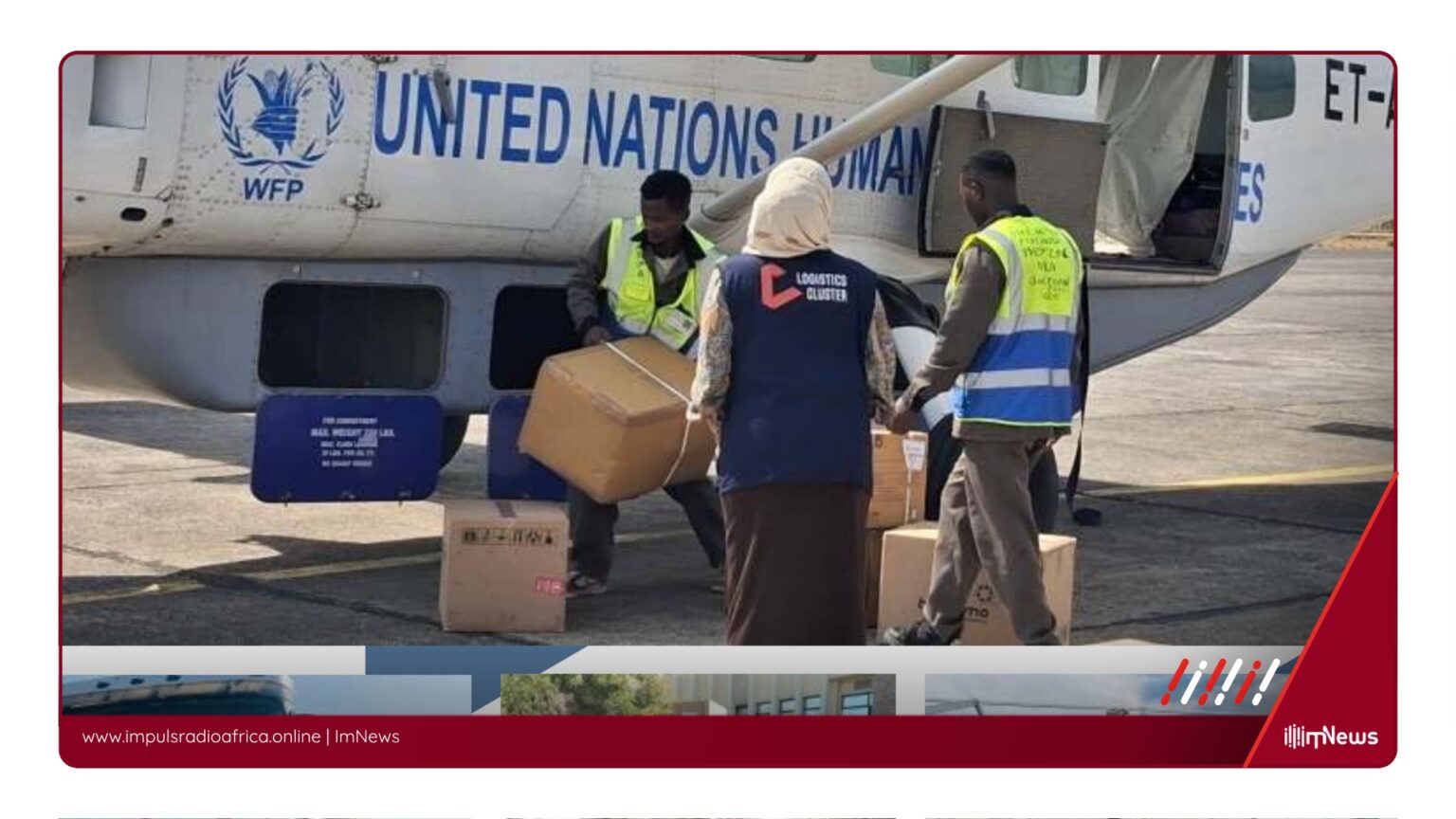
In July 2026 alone, the Cluster coordinated the transportation of 731 cubic meters of cargo, including food, medical supplies, and other essentials, to areas that have been hardest hit by the ongoing challenges.
The Cluster’s efforts were not confined to transportation. They also facilitated three convoys comprising 32 trucks to the Amhara region, enabling the distribution of critical humanitarian assistance.
This operation was crucial for reaching those in need, especially in remote and inaccessible areas.
The World Food Programme’s (WFP) role has been equally significant.
The organization has been instrumental in providing food and cash assistance to millions of food insecure individuals across Ethiopia.
In the same month, the WFP distributed 10,700 metric tons of food and USD 4. 5 million in cash assistance, reaching 1. 8 million people.
The Logistics Cluster’s ability to store humanitarian cargo has also been essential.
In transit storage hubs in Adama, Gondar, and Mekelle, the Cluster stored 613 cubic meters of cargo on behalf of three partner organizations, ensuring that these supplies were readily available when needed. Despite the challenges, the Cluster’s operations have been a testament to the importance of coordinated logistics and transportation in humanitarian efforts.
The Cluster’s approach, which brings together various stakeholders, has proven effective in overcoming obstacles and ensuring that aid reaches those in need.
The WFP’s contributions have been equally crucial. Their focus on delivering food and cash assistance has been a lifeline for many in Ethiopia, especially in regions where food security is a major concern.
The Cluster’s and the WFP’s achievements in Ethiopia highlight the importance of a well-coordinated and efficient logistics system in humanitarian operations. Their work is a model for other regions facing similar challenges, demonstrating that with the right strategies and partnerships, it is possible to overcome the most daunting logistical hurdles.
As the situation in Ethiopia continues to evolve, the role of organizations like the Logistics Cluster and the WFP will remain critical.
Their ability to adapt and respond to the changing needs of the population will be crucial in ensuring that relief efforts are effective and timely. KICKER: The Ethiopia Logistics Cluster’s mid-year achievements are a testament to the importance of coordinated humanitarian efforts.
As the challenges in the region continue to evolve, the Cluster’s ability to adapt and respond will be crucial in ensuring that aid reaches those in need.
The world watches with hope as these organizations continue their vital work.
*Additional reporting by ImNews | Sources consulted: 5*
—
This original article was produced by the ImNews editorial team
Source: reliefweb
Source: Logistics Cluster