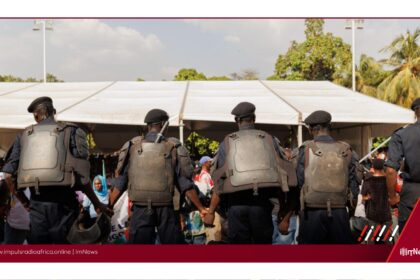
Addis Ababa, Ethiopia — The Tigray region of Ethiopia has been engulfed in a complex crisis since 2020, marked by a devastating conflict that has taken a heavy toll on the population.
As the region emerges from the ashes of war, a silent epidemic looms, hidden behind a curtain of data uncertainty: the mortality toll. Estimates suggest that over 100,000 lives have been lost in battle-related incidents since 2022, including both military and civilian casualties. This figure, however, remains shrouded in uncertainty, with the true human cost of the conflict yet to be fully understood.
Humanitarian organizations report dire consequences, including widespread acute food insecurity and the need for record — level humanitarian assistance.
The challenges in obtaining accurate mortality data are myriad, ranging from the occupation by Eritrean forces to an information blockade and political tensions that have stifled robust data collection.
The Ethiopian Red Cross Society and Djibouti Red Crescent have highlighted the region’s struggles with food security, underscoring the need for effective humanitarian assistance. Despite the conflict’s end and formal commitments to accountability, no publicly available accounts of the harms caused have emerged. This absence of information hampers the ability to provide targeted support and recovery efforts for the affected population.
The role of Ethiopian public universities in mortality estimation is particularly significant. They have been among the few actors able to maintain data collection during the crisis, despite funding cuts, displacement of field teams, and internet outages. Universities like Mekelle, trusted and respected by communities and regional governments, play a crucial role in providing independent technical guidance on mortality measurement.
As recovery efforts gain momentum, the international community must recognize the importance of mortality data in informing humanitarian decision — making. Transparent and accessible information is a cornerstone of any effective response to conflict and its aftermath. Addressing the challenges that hinder the collection and dissemination of accurate information is essential for ensuring a just and equitable future for the people of Tigray.
The search for answers and the quest to uncover the hidden mortality toll continues, emphasizing the urgent need for transparent data and informed responses.
*Additional reporting by ImNews | Sources consulted: 5*
—
This original article was produced by the ImNews editorial team
Source: reliefweb
Source: ELRHA