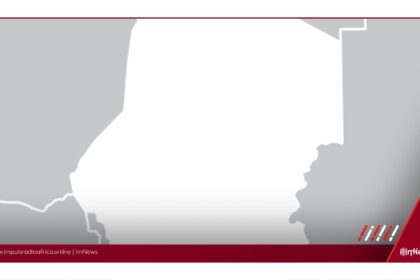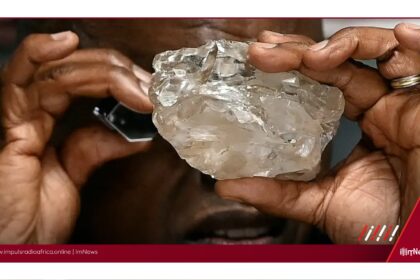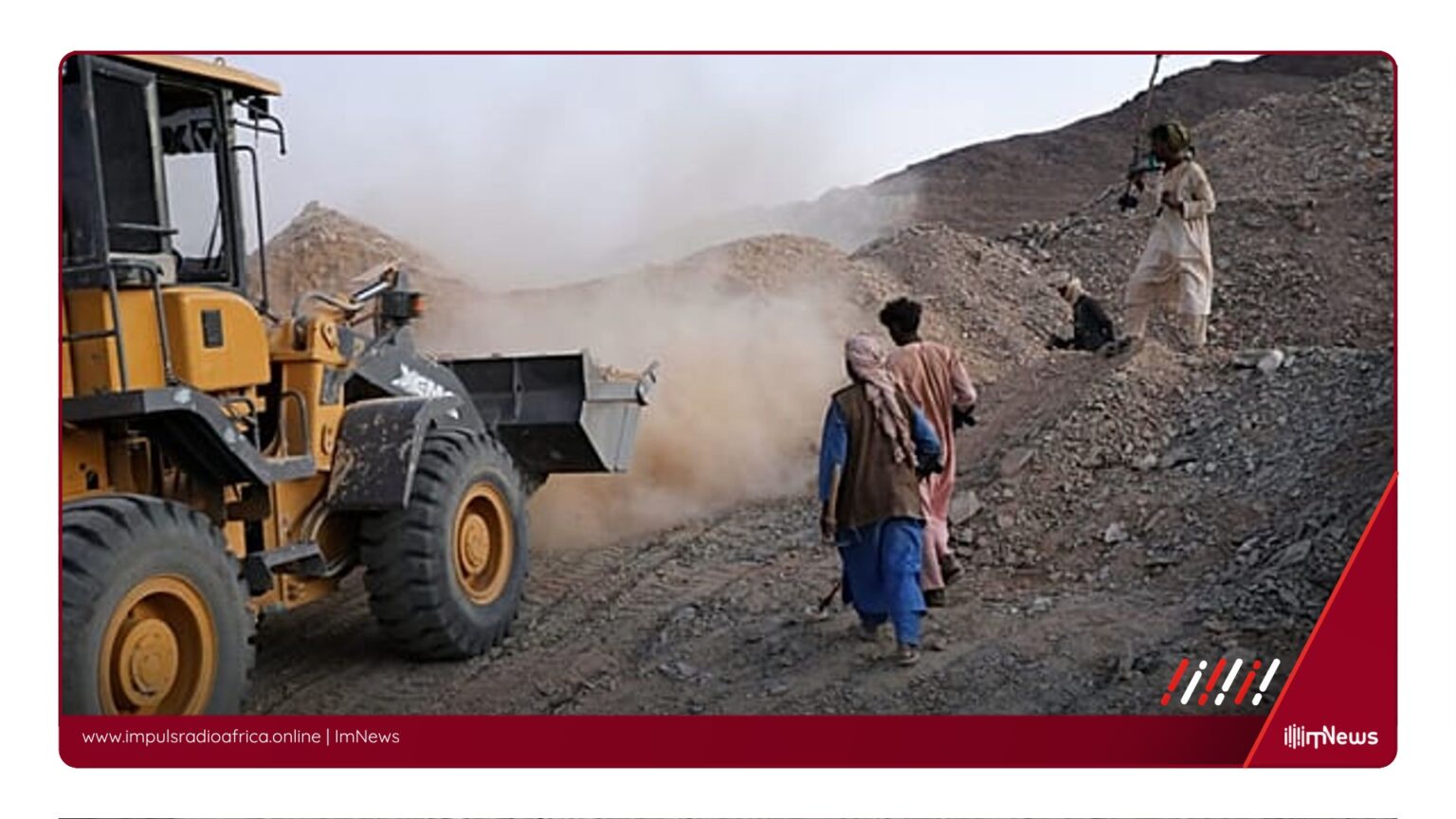
CITY, Sudan — In a significant move to curtail the financial underpinnings of Sudan’s ongoing conflict, the European Union has imposed a ban on the purchase, import, and transfer of Sudanese gold. This decision, announced by the European Council, also extends to the sale, supply, transfer, and export of mercury and cyanide, chemicals crucial for gold mining.
The ban is not without exceptions, including provisions for humanitarian goods, public health emergencies, and disaster response efforts.
The ban is targeted at the gold industry, which has emerged as a pivotal revenue stream for the Sudanese Armed Forces and the paramilitary Rapid Support Forces amidst the protracted conflict. Since the hostilities erupted in 2023, the death toll has reached tens of thousands, with millions displaced, marking what the United Nations has termed the world’s worst humanitarian crisis.
The European Union’s action follows other international responses to the crisis, including a Swedish court’s upcoming ruling on oil executives accused of war crimes and revelations that Libya and the United Arab Emirates have supplied mercenaries to fuel the conflict.
The ongoing strife has also led to the collapse of trade ties and impacted Sudan’s vital gold industry.
The ban is part of a broader strategy to isolate the warring parties and to pressure them towards a peaceful resolution. With the situation in Sudan remaining volatile, the European Union’s measure is a direct challenge to the financial mechanisms sustaining the conflict.
*Additional reporting by ImNews | Sources consulted: 5*
—
This original article was produced by the ImNews editorial team
Source: Africanews
Source: Rédaction Africanews