Libreville, Gabon — July 23, 2026 – In a strategic move to support sports development, Gabon has allocated the proceeds from increased taxes on alcohol and tobacco products to the National Fund for Sports Development (FNDS), as per the Law of Finance Rectification (LFR) 2026.
The new measures, effective immediately, are part of a broader fiscal strategy to diversify revenue sources amidst a decline in oil revenue.
The LFR 2026 specifies that the taxes on locally produced beers and malted beverages, imported wines and champagnes, as well as tobacco and related products, will contribute to the FNDS. This marks a return to a clear allocation of fiscal revenues for sports development, a priority that was previously addressed by the FNDS, which was established in 2005 and later suspended in 2020. Under the new regulations, the tax on locally produced beers and malted beverages is set at 22%, with an additional 120 FCFA per litre tax.
Imported wines and champagnes are taxed at 32%, with specific taxes of 1,750 FCFA and 2,250 FCFA per litre, respectively. Tobacco products, including cigarettes, cigars, e-cigarettes, and vaporizers, are also subject to a 32% duty, with a 250 FCFA tax per pack.
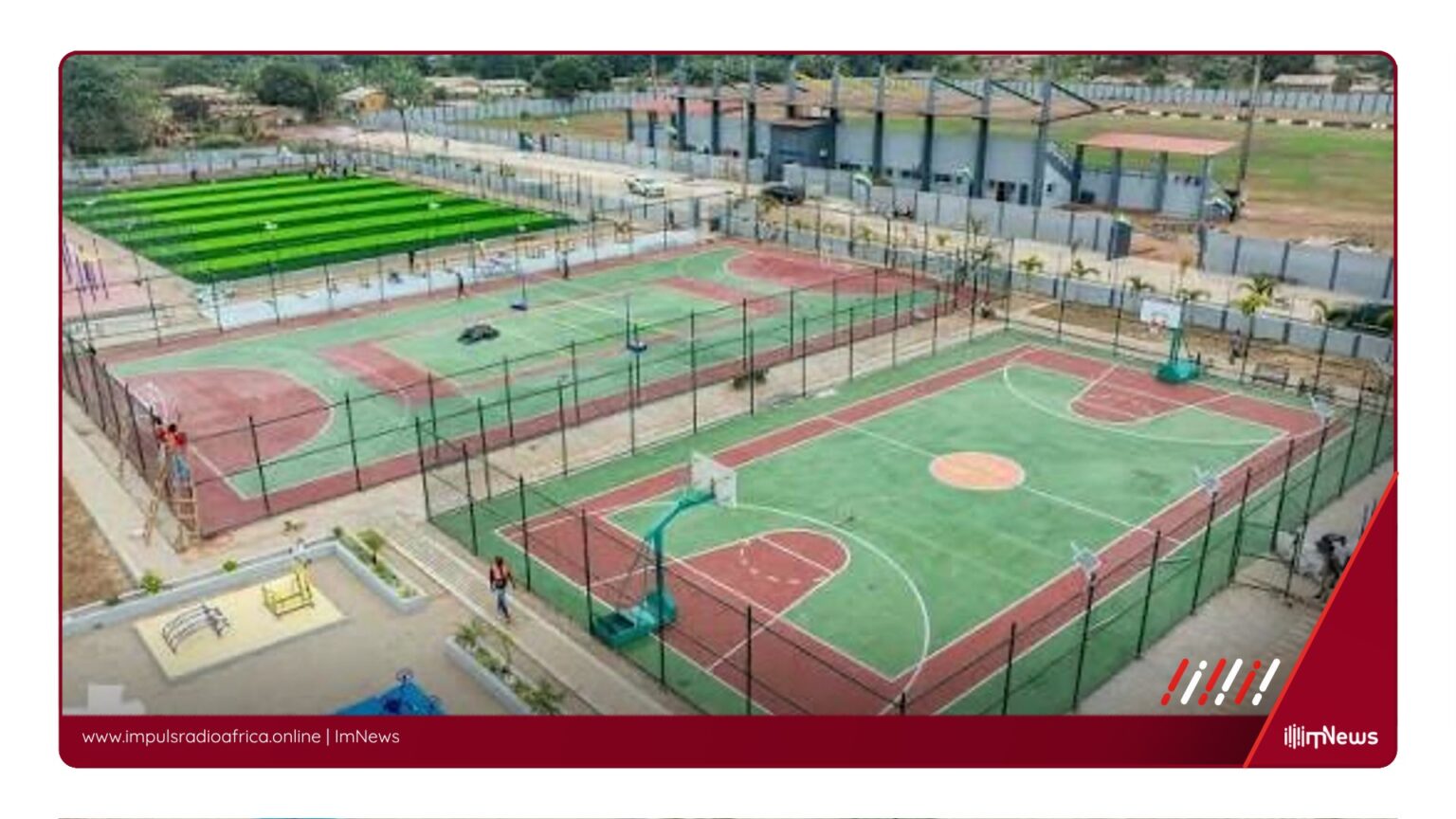
The FNDS, which was dissolved in 2020 and its functions transferred to the Office National du Développement du Sport et de la Culture (ONDSC), will now receive dedicated funding. This is expected to bolster the development of sports infrastructure, national federations, and programs.
The government’s decision to reallocate these tax revenues to the FNDS reflects a commitment to sports development and public health. Critics, however, have raised concerns that the tax increases may disproportionately affect lower-income individuals who are more likely to consume alcohol and tobacco. Supporters of the measure argue that the benefits of increased state revenue and potential public health improvements justify the tax hikes.
The effectiveness of the LFR 2026 in achieving its goals will be closely monitored, particularly the government’s ability to allocate funds to the FNDS efficiently and the impact on state revenues and public health.
As Gabon navigates the challenges of reduced oil revenue, the LFR 2026 represents a significant step in diversifying its fiscal strategy and prioritizing sports development within the country.
*Additional reporting by ImNews | Sources consulted: 5*
—
This original article was produced by the ImNews editorial team
Source: Agpgabon
Source: Redaction