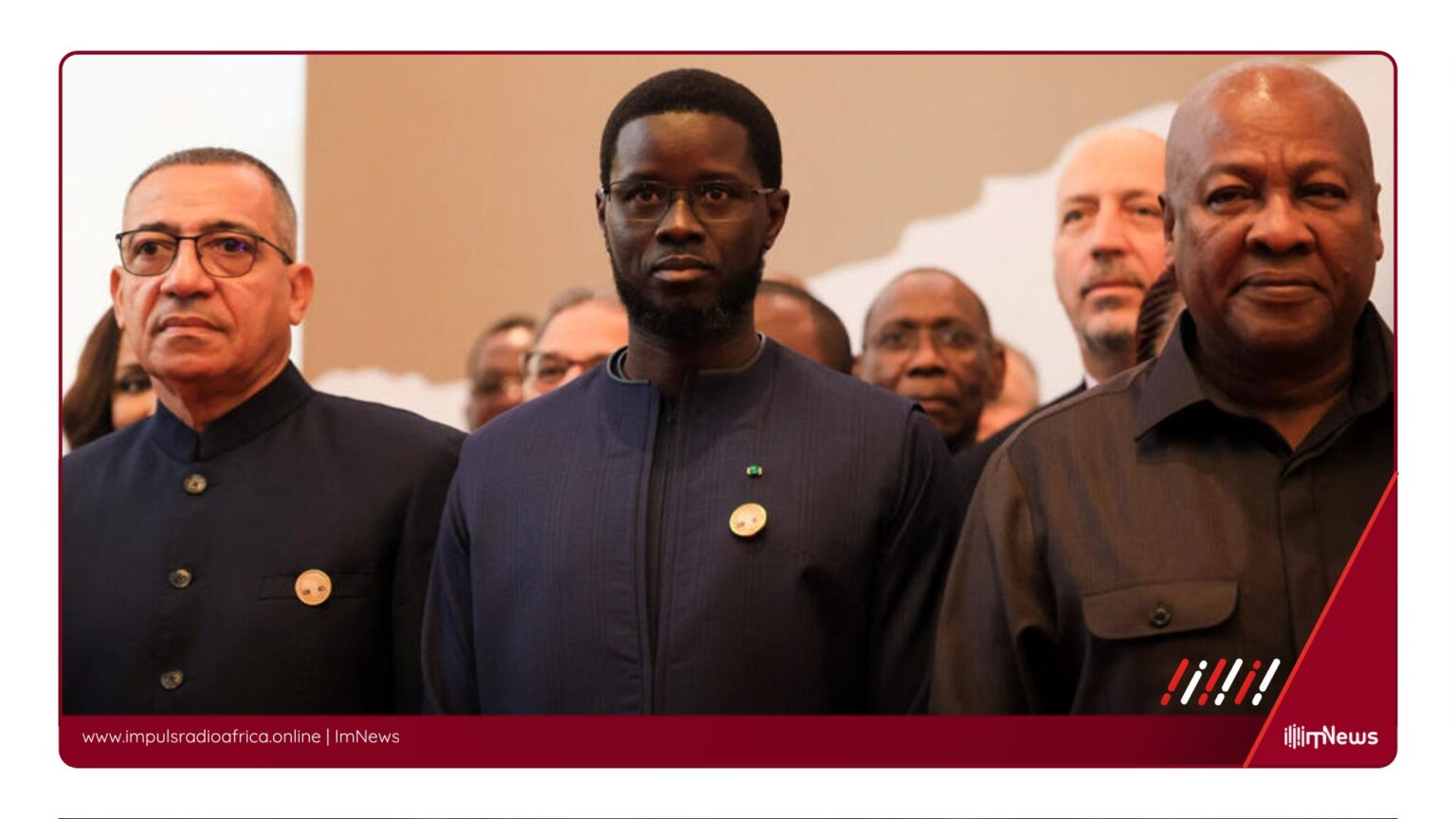
Ghana Summit: From Recognition to Action on Slavery Reparations Accra, Ghana — June 19, 2026 — A landmark three-day summit in Ghana has culminated in a declaration setting forth the path from recognition to action on slavery reparations. This historic gathering, attended by African and Caribbean leaders, signifies a crucial stride towards translating international support for reparations into tangible measures.
The summit follows the United Nations resolution of March 25, 2026, which was championed by Ghanaian President John Mahama.
The resolution, which recognizes the transatlantic slave trade as the “gravest crime against humanity, “has garnered the support of 123 UN member states.
The United States, Argentina, and Israel voted against the resolution, with 52 countries abstaining.
The declaration adopted by the summit is poised to outline concrete actions and measures. Though the specifics remain confidential, it is anticipated to encompass financial reparations, institutional frameworks, and international engagement mechanisms.
The role of international bodies and individual nations in reparations implementation is a matter of great interest. Experts and activists underscore the importance of a coordinated approach to ensure fair and effective reparations distribution. Ghana’s Foreign Minister Samuel Ablakwa emphasized the declaration’s significance, stating, “We won the battle against slavery, colonialism, and apartheid, and we are confident that we shall win the battle against reparatory injustice. “.
The summit also saw the establishment of three working groups, each tasked with exploring practical ways forward: heads of state, restitution, and legal aspects of reparations. President Mahama noted, “The question before us is not whether history can be changed—it cannot—but whether we have the courage to confront it honestly and the determination to turn recognition into meaningful action. “.
The event marked the first time Juneteenth, the annual public holiday commemorating the end of slavery in the United States, was celebrated outside the US, further highlighting the global nature of the reparations movement. French President Emmanuel Macron contributed a video address, suggesting that reparations can take various forms beyond mere financial compensation, including confronting historical truths through education and research, and the return of colonial-era artifacts. Barbados Prime Minister Mia Mottley echoed this sentiment, emphasizing the multifaceted impact of slavery, saying, “What went across the Atlantic were also ideas, humanity, arts, culture. “.
Nigerian Nobel laureate Wole Soyinka emphasized the need for reparations to go beyond symbolism, arguing for the rehumanization of memory and the restoration of values distorted by dehumanization.
The summit is seen as a pivotal moment in the struggle for reparations, with its outcomes expected to resonate widely in the discourse on historical injustices.
As the world watches, the focus now shifts to the practical steps that will follow the declaration’s adoption.
*Additional reporting by ImNews | Sources consulted: 5*
—
This original article was produced by the ImNews editorial team
Source: rfi
Source: RFI