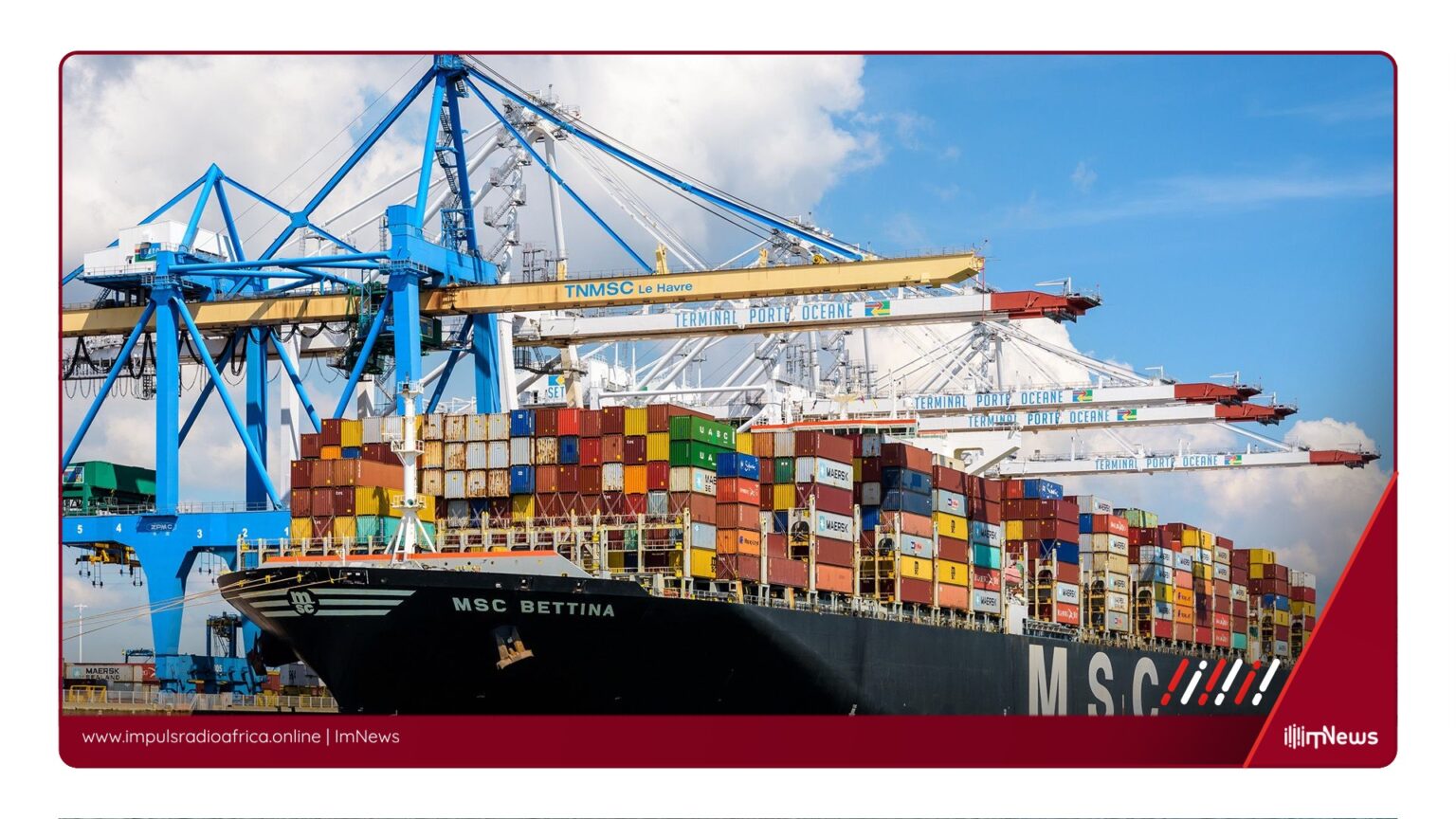
Global Shipping Giants Pivot to West Africa Amid Hormuz Blockade ### DATELINE: Dakar, Senegal – May 16, 2026 ### LEAD The closure of the Strait of Hormuz following the U. S. -Israeli strikes on Iran in February 2026 has sent global shipping into disarray, with maritime firms now racing to establish new trade routes through West Africa.
The disruption has been particularly acute for Asian economies, which rely heavily on Gulf oil, leading to a surge in shipping costs and a scramble for alternative routes. ### NUT GRAF: The strategic shift is a direct response to the closure of the Strait of Hormuz, which has become a focal point of geopolitical tensions.
As the situation remains unresolved, global shipping companies are rethinking their strategies, with West Africa emerging as a key destination for refueling, repairs, and logistics.
### BODY: Dakar, Senegal – The sudden closure of the Strait of Hormuz has had a profound impact on global shipping, with around half of vessels bound for Europe from Asia and the Gulf now bypassing the Red Sea and Suez Canal. This rerouting adds two to three weeks and thousands of nautical miles to the journey, taking ships right past Somalia’s coastline, a region notorious for piracy.
Dakar, Senegal — The resurgence of piracy in the region has added further complications.
In late March and early May 2026, three ships, including the Honour 25 and Eureka oil tankers, were hijacked off Somalia and nearby Yemen. Experts believe organized crime groups in Somalia are taking advantage of the Iran war to launch hijackings, suggesting that the situation in the Middle East is exacerbating piracy in the region. Dakar, Senegal – Amid these challenges, the U.
S. Government is taking a proactive approach by forming an international coalition called the ‘Maritime Freedom Construct'(MFC) to ensure safe passage through the Strait of Hormuz.
The MFC aims to provide real — time information, safety guidance, and coordination to ensure vessels can transit these waters securely.
Dakar, Senegal — The closure of Hormuz has also led to a systemic energy shock with global consequences. Asian economies, which rely heavily on oil from the Gulf region, are among the most exposed.
The prospect of sustained disruption to exports from the Gulf is strengthening demand for alternatives, with West Africa becoming a key destination for refueling, repairs, and logistics.
Dakar, Senegal — The shift in shipping routes is not only reshaping global trade but also triggering a wave of investment and expansion by major maritime firms across West Africa.
The world’s largest container shipping company, for instance, has secured a 45-year Lagos port concession as part of a $1 billion Nigeria investment, reflecting the growing importance of the region in the global shipping landscape. ### KICKER: As the situation in the Strait of Hormuz remains unresolved, the global shipping industry is adapting to a new reality, with West Africa emerging as a crucial hub in the ongoing reshaping of trade routes.
The challenge now is to ensure the safety and efficiency of shipping operations in this volatile region, while also mitigating the economic impact of the ongoing disruptions.
*Additional reporting by ImNews | Sources consulted: 5*
—
This original article was produced by the ImNews editorial team
Source: Africa.businessinsider
Source: BI Africa Contributor