Addis Ababa, Ethiopia — The Ethiopian opposition People’s Revolutionary Party (EPRP) has leveled accusations against the federal government, asserting that it is driving the Tigray region towards a new conflict.
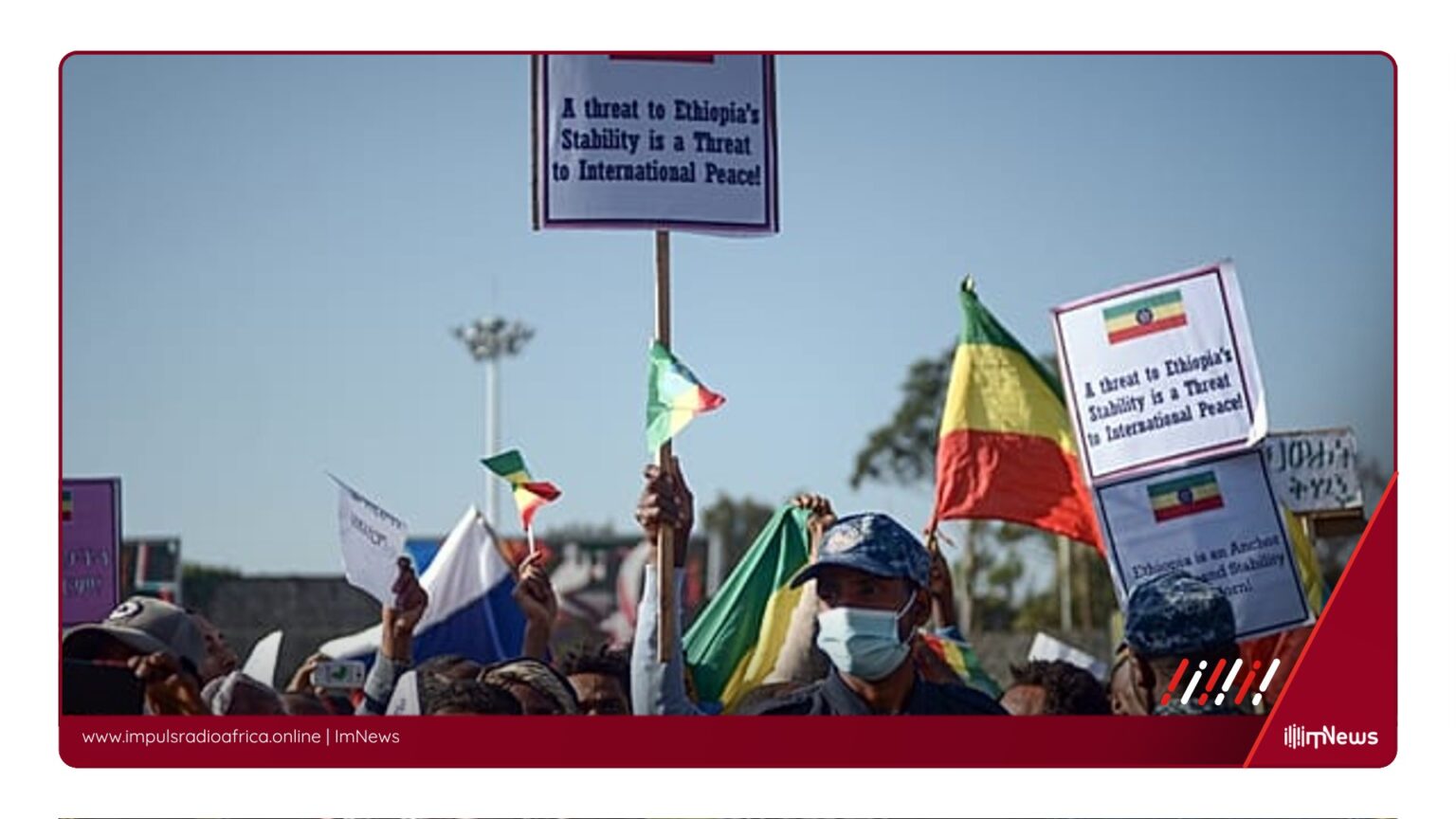
The EPRP claims that the government is conducting a propaganda campaign designed to condition public opinion for potential conflict. This follows a recent demonstration in Addis Ababa, where the government criticized the Tigray People’s Liberation Front (TPLF) for forced conscription. Human Rights Watch has also accused the Tigrayan authorities of unlawfully recruiting civilians, including minors as young as 15.
Despite the TPLF’s denial of forced conscription, the group’s leader has called on the people of Tigray to prepare for the defense of their region’s sovereignty, suggesting that peace alone will not ensure their security. This echoes the EPRP’s warnings of an impending conflict.
The TPLF has been engaged in a protracted conflict with the Ethiopian federal government since 2018, with the situation in Tigray becoming increasingly volatile.
In 2020, the region experienced a brutal two-year civil war that resulted in thousands of deaths and millions of displacements.
The Pretoria Agreement in November 2022 aimed to end hostilities and initiate a peace process, but tensions have persisted.
The EPRP’s accusations underscore the government’s perceived provocations and the TPLF’s resolve to protect the region’s sovereignty.
The Ethiopian government has not yet responded to these allegations.
The international community is closely monitoring the situation, with concerns about the potential for renewed conflict.
The TPLF’s recent actions, including the recruitment of civilians and the call for defense readiness, have heightened fears of a new round of conflict.
As the situation in Tigray remains fluid, the international community and regional actors are considering how best to respond to the escalating tensions.
The stakes are significant, with the potential for a new conflict having profound humanitarian and regional implications.
*Additional reporting by ImNews | Sources consulted: 5*
—
This original article was produced by the ImNews editorial team
Source: Africanews
Source: Rédaction Africanews