India and Rwanda Strengthen Military Ties Amidst International Sanctions Kigali, Rwanda — In a strategic move reflecting the evolving geopolitical landscape of Africa, India and Rwanda have agreed to deepen their military collaboration. This decision, formalized through the second Joint Defence Cooperation Committee (JDCC) meeting held in New Delhi on July 6-7, 2026, focuses on enhancing military training, joint exercises, defense medicine, and defense industries. Co-chaired by Joint Secretary Amitabh Prasad of India’s Ministry of Defence and Brigadier General Louis Kanobayire, the Rwanda Defence Force’s Chief of Joint Force Development, Training, and Doctrine, the JDCC meeting marked a significant milestone in the defense partnership between the two nations.
The Rwandan delegation, led by General Kanobayire, engaged in discussions that formalized an implementation framework with specific timelines for the agreed — upon activities.
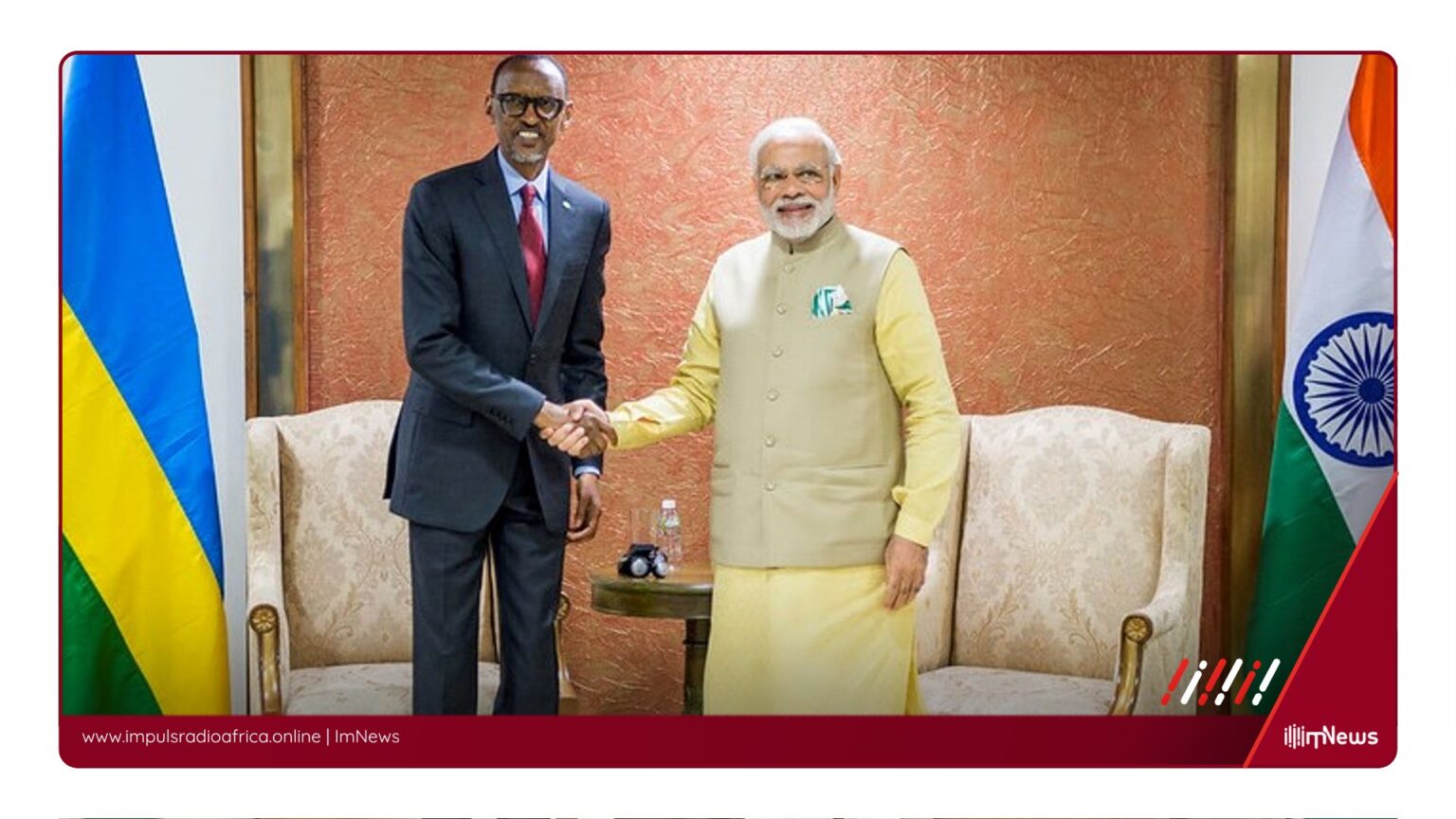
The strategic alignment between India and Rwanda is rooted in Prime Minister Narendra Modi’s historic 2018 visit to Rwanda, which laid the foundation for this partnership. Since then, the relationship has expanded to include training and equipment assistance, aiming to bolster defense capabilities and strategic interests for both nations. This enhanced military pact comes against the backdrop of the United States’imposition of sanctions on Rwanda.
In March 2026, the U. S. Department of the Treasury’s Office of Foreign Assets Control (OFAC) sanctioned a Kigali-based gold refinery, accusing it of collaborating with Rwanda-backed M23 rebels and elements of the Rwanda Defence Force (RDF).
Additionally, the U. S. Issued sanctions on the RDF and several top officers, accusing them of contributing to the escalating crisis in the eastern Democratic Republic of the Congo (DRC).
Despite these tensions, India has not publicly connected the crisis with its defense cooperation with Rwanda. Major General Harsha Kakar, in an opinion piece for ETV Bharat, highlighted the importance of India’s engagement with African states for both economic partnerships and military ties. This perspective underscores the multifaceted nature of India’s defense diplomacy in Africa, which is seen as a strategic move to counterbalance other global powers, including China.
The agreement between India and Rwanda is expected to have a tangible impact on the defense sectors of both nations.
The implementation of the agreed activities, including military training and joint exercises, is likely to enhance the capabilities of the Rwanda Defence Force and contribute to regional security.
As this strategic partnership progresses, it will be crucial to monitor its implementation and its impact on the broader geopolitical dynamics in the region.
The agreement between India and Rwanda highlights the significance of defense diplomacy in shaping international relations and fostering regional stability and security.
*Additional reporting by ImNews | Sources consulted: 5*
—
This original article was produced by the ImNews editorial team
Source: Africa.businessinsider
Source: Chinedu Okafor