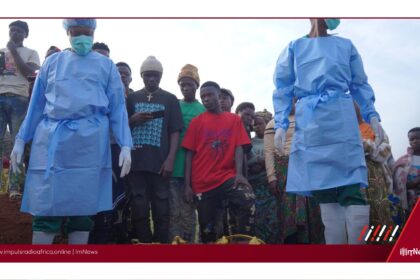


DRC Ebola Epidemic Exacerbates by Displacement, Women and Children Hardest Hit BODY: Kinshasa, DRC – August 18, 2026 – An escalating Ebola epidemic in the Democratic Republic of the Congo’s (DRC) Ituri province is disproportionately affecting women and children, reports the UN Office for the Coordination of Humanitarian Affairs (OCHA). Over a million people have been displaced, with 80% being women and children, leading to a crisis that has claimed over 300 child lives, representing nearly a quarter of confirmed cases but a third of deaths.
The health systems and social fabric of the region are under immense strain, with fears of contamination leading to a significant decline in healthcare services in the most affected areas. Displacement has exacerbated the situation, with women and children being the most vulnerable, reports OCHA.
In neighboring Cameroon, the situation is equally concerning.
The Cameroon Renaissance Movement (CRM) has lodged a formal complaint with the African Union (AU), accusing the government of an unconstitutional change of government. This complaint follows a period of heightened restrictions on freedom of expression and civil society activism, as indicated by Freedom House’s 2026 report on Cameroon, which deems the country ‘Not Free’.
The CRM’s complaint to the AU underscores the broader challenges facing the region, including political instability and human rights concerns.
The intersection of political tensions with humanitarian crises is a stark reminder of the complexities that can arise, with the long — term implications for the region’s stability and health systems remaining uncertain.
The international community, including the WHO, is responding to the crisis, but the challenges are significant. Ensuring that the most vulnerable populations, particularly women and children, receive the necessary support is critical to containing the outbreak and mitigating its impact.
As the DRC and its neighbors face these unprecedented challenges, the need for coordinated and effective responses from both national and international actors is more pressing than ever.
The coming weeks and months will be pivotal in determining the outcome of these crises and the path forward for the region.
*Additional reporting by ImNews | Sources consulted: 5*
—
This original article was produced by the ImNews editorial team
Source: reliefweb
Source: UN Office for the Coordination of Humanitarian Affairs