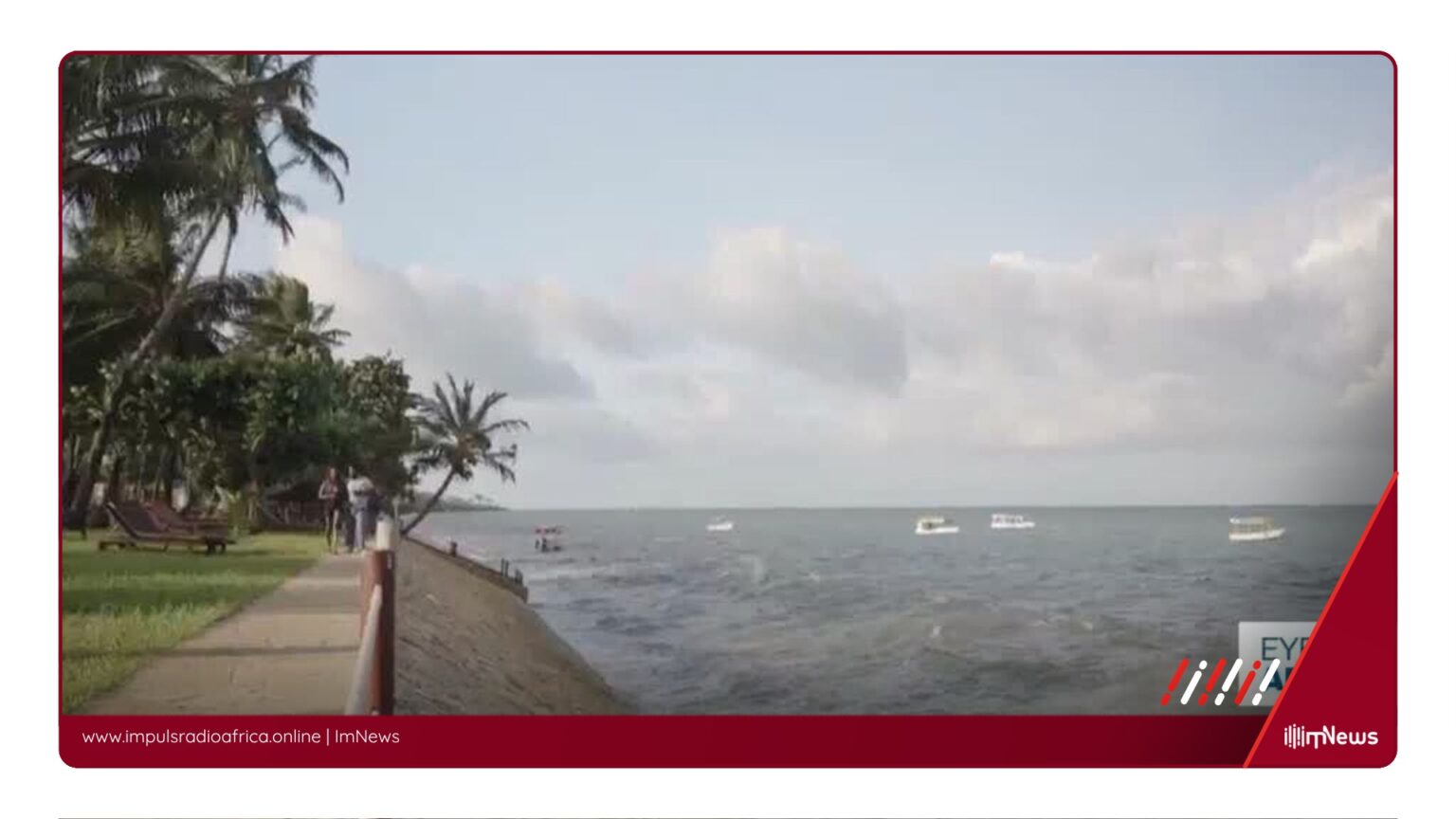
Kenya’s Coastal Erosion Crisis Amplified by Climate Change Nairobi, Kenya – The specter of climate change looms large over Kenya’s coastline, where the relentless march of coastal erosion threatens not only the natural beauty of the land but also the livelihoods and cultural heritage of its people.
In recent weeks, the urgency of this crisis has been underscored by a series of dramatic events and growing scientific evidence.
The country’s coastal ecosystems are facing unprecedented challenges, with the Kenyan government’s Bottom-Up Economic Transformation Agenda struggling to keep pace with the escalating costs of living and the deteriorating economic indicators (Kenya Country Report 2026).
This economic turmoil, combined with the environmental degradation, has put immense pressure on the country’s coastal communities. Officials commented on the matter.
Currently, 56 of Africa’s heritage sites are threatened by a 1-in-100-year coastal extreme event, and this number is projected to more than triple by 2050 under high emissions scenarios (Nature).
Among these are iconic ruins like Tipasa in Algeria and the North Sinai Archaeological Sites Zone in Egypt.
The Kenyan government has attempted to address these challenges through its Bottom — Up Economic Transformation Agenda, which includes the “Hustler Fund “aimed at stimulating economic activity and fostering inclusive growth.
However, the effectiveness of these measures has been called into question as economic indicators have continued to deteriorate (Kenya Country Report 2026).
In a bid to combat the environmental crisis, Kenya recently hosted a major conference on ocean protection in Mombasa.
The event brought together thousands of scientists, policymakers, and philanthropists to discuss solutions for preserving marine resources and mitigating the impacts of climate change on the coast (France 24).
The conference highlighted the critical need for immediate action.
Dr. Deborah Mlongo Barasa, the Cabinet Secretary for Environment, Climate Change & Forestry, emphasized that the recent storm, which disrupted fragile shoreline systems, is a clear reminder that climate impacts are no longer distant threats but immediate realities (The Star).
The consequences of inaction are dire.
Rising sea levels and climate — fuelled wave patterns are exacerbating coastal erosion, posing a significant risk to developing countries (The Conversation). Kenya, with its 32.
The Kenyan government has unveiled a plan to invest 4.
2 billion shillings ($32. 5 million) in protecting the coast and growing the blue economy (Switch TV).
This initiative aims to bolster the country’s resilience to climate change and secure the future of its coastal communities.
Despite these efforts, the path forward is fraught with challenges. Environmentalists and heritage preservationists are concerned about the increasing risks to cultural and natural heritage sites due to climate change (Human Rights Watch).
The situation underscores the need for a more comprehensive and coordinated approach to address the twin crises of economic hardship and environmental degradation.
As Kenya grapples with the growing consequences of climate change — driven coastal erosion, the urgency to act is more pressing than ever.
The country’s future, both economically and environmentally, hangs in the balance.
*Additional reporting by ImNews | Sources consulted: 5*
—
This original article was produced by the ImNews editorial team
Source: france24 – Africa
Source: FRANCE24